









A five-star rating can tell you whether a homeowner liked their new window shades. It rarely tells you whether those shades still operate quietly after a Texas summer, integrate with the home’s smart system, or fit a wall of oversized windows with precision. The most useful remote shade reviews look beyond the remote itself and reveal how the entire custom process performs.
For Dallas-Fort Worth homeowners, builders, clinics, restaurants, and commercial property teams, motorized shades are a long-term system purchase. The fabric, motor, controls, measurements, installation, and service support all affect the result. Reading reviews with that broader standard helps separate a polished first impression from dependable daily performance.
What Remote Shade Reviews Should Actually Tell You
The first detail to look for is whether the reviewer describes the project, not just the product. “Love these shades” is encouraging, but it does not explain whether the windows were unusually wide, whether the room faced west, or whether the installation involved high ceilings, patio doors, or a whole-home automation setup.
Specificity is a stronger signal. A review that mentions glare reduction in a media room, lower afternoon heat in a west-facing kitchen, or reliable scheduling for a clinic waiting area gives useful context. These are real performance outcomes, not simply a reaction to a new design feature.
Also pay attention to the timeline. Reviews written immediately after installation often focus on appearance and convenience. Reviews that mention several months or seasons of use are more valuable for evaluating motor reliability, fabric behavior, battery performance, and the installer’s response if an adjustment was needed.
Installation details matter as much as motor performance
A motorized shade can be engineered well and still disappoint if it is measured or mounted poorly. On large contemporary windows, even a small measurement error can create light gaps, uneven alignment, or a shade that does not sit cleanly against the window opening. Reviews that praise careful measuring, clean wiring, precise bracket placement, and a tidy finished appearance are worth noting.
For hardwired systems, look for comments about coordination with electricians, builders, or remodel teams. The best projects account for power locations before walls are closed, while also planning for access to motors and control components later. Battery-powered shades can be an excellent solution for finished homes, but their success depends on the window size, fabric weight, usage patterns, and practical access for charging or battery replacement.
Read Reviews Through a North Texas Lens
Remote shades serve a practical purpose in North Texas. Strong sun exposure can make rooms uncomfortable, fade flooring and furnishings, and increase cooling demand. A review from a homeowner with similar conditions often carries more weight than a generic national review because it reflects the same climate pressures.
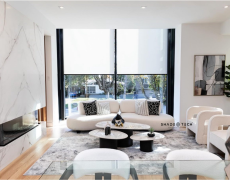
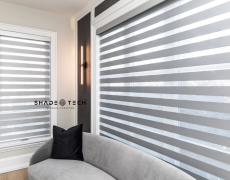
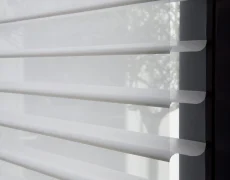
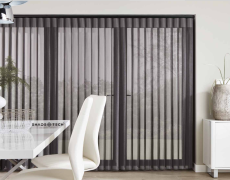
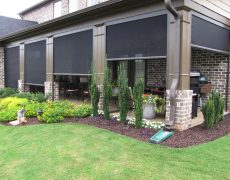
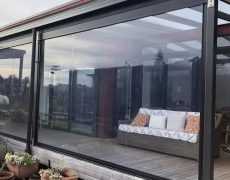
A south- or west-facing room may need a solar screen fabric that reduces heat and glare while preserving a view. A bedroom may call for room-darkening material, side channels, or layered treatments for stronger light control. An outdoor opening may need a durable motorized screen designed for wind, insects, privacy, and harsh UV exposure. There is no single “best” remote shade because the requirements change with orientation, room use, and architectural details.
When evaluating comments about energy efficiency, look for descriptions of comfort rather than dramatic utility-bill promises. Quality shades can reduce solar heat gain and help HVAC systems work more efficiently, especially across expansive glass. But insulation levels, window glass, thermostat settings, roof exposure, and household habits still influence total energy use. Credible reviews tend to describe a room feeling noticeably cooler or less glary, not promise an identical savings figure for every home.
Controls Are Only One Part of the Experience
The phrase “remote shades” can mean several things. Some systems use a handheld remote only. Others add wall controls, phone apps, timers, scenes, voice control, and integration with platforms such as Alexa, Google Home, Apple HomeKit, or Matter-compatible systems. Reviews should make clear which level of control was installed.
A handheld remote is simple and dependable for a single room. Scheduling becomes more valuable when shades need to respond to daily sun patterns, such as lowering automatically during the hottest afternoon hours and raising in the morning. Smart-home integration is especially useful in large homes, hospitality settings, restaurants, and medical clinics where multiple openings need consistent operation without staff managing each shade individually.
Still, more automation is not always better. A homeowner who wants straightforward privacy at night may prefer a well-programmed wall control over an extensive app-based system. A review that praises ease of use from every member of the household is often more meaningful than one focused only on the number of available features.
Ask whether setup was completed and explained
Motorized shades should work properly before the installer leaves. Reviews that mention programming limits, naming rooms, creating schedules, pairing remotes, and demonstrating app or voice controls indicate a complete handoff. This matters because smart features can feel frustrating when the homeowner is left to troubleshoot Wi-Fi connections or automation routines alone.
For commercial projects, the same principle applies at a larger scale. Managers need clear instructions, dependable group controls, and a practical point of contact for future service. The best review feedback often reflects this operational confidence: the system is easy for staff to use, yet sophisticated enough to manage a busy space efficiently.
How to Spot a Full-Service Shade Provider
Remote shade reviews can also reveal whether a company is selling a boxed product or delivering a complete custom solution. Look for references to an in-home consultation, fabric guidance, accurate measurement, local production, professional installation, and post-installation support. Those steps reduce the common failure points that occur when products are ordered online and installed without expert planning.
Factory-direct manufacturing can be especially relevant when a project requires custom widths, unique mounting conditions, coordinated fabrics, or multiple shade types throughout the property. It can also help maintain accountability. Rather than asking a retailer, a third-party installer, and a motor manufacturer to resolve an issue, customers have one specialized team responsible for the finished system.
At ShadeoTech, that full-service model includes consultation, precision measurement, Texas manufacturing, installation, and smart-home setup. For customers, the practical advantage is not simply a custom shade. It is knowing the product and the installation have been planned together for the window, the room, and the way the space will be used.
Questions to Keep in Mind While Reading Reviews
Before making a decision, compare reviews against your own project. Consider whether the reviewer had windows similar in size and exposure to yours, whether they used the same control method, and whether their project was residential or commercial. A glowing review for a small bedroom shade may not answer the questions that matter for a two-story living room or a restaurant storefront.
It also helps to notice how a company responds to the occasional problem. No custom installation business avoids every adjustment. What matters is whether the provider communicates clearly, returns to correct an issue, and stands behind the work. Consistent feedback about responsive service is often more valuable than a perfect rating with little detail.
The right motorized shade system should make a space feel more comfortable without demanding attention every day. Read reviews for evidence of that quiet reliability, then choose a provider that can design, build, install, and support the solution around your actual windows.
