

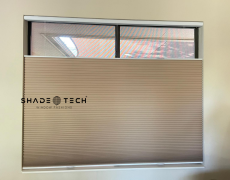

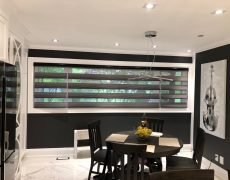
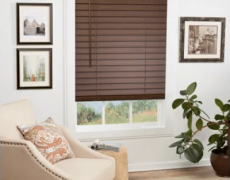
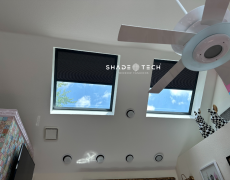






A west-facing room in Dallas can look beautiful at 9 a.m. and become difficult to use by midafternoon. Sun glare crosses the floor, upholstery takes the hit from UV exposure, and the thermostat works harder than it should. Texas made window coverings are designed around that reality, not around a generic package size or a product spec written for a milder climate.
For homeowners, builders, restaurants, clinics, and commercial properties, local manufacturing changes more than the shipping timeline. It creates a better path from consultation to measurement, fabrication, installation, and smart-home programming. The result is a window treatment that fits the architecture, manages demanding light conditions, and performs reliably every day.
Texas Made Window Coverings Start With the Right Measurements
Custom window treatments only work as well as the measurements behind them. Large contemporary windows, high ceilings, corner glass, sliding doors, and uneven openings leave very little room for guesswork. A shade that is even slightly undersized can allow distracting side light. One mounted without the correct clearance may interfere with trim, handles, or doors.
Local manufacturing allows the measuring and fabrication teams to work in the same process. Measurements are taken for the actual opening, mounting style, fabric behavior, and control system, then translated directly into production specifications. That is especially valuable for motorized shades, where alignment, bracket placement, and power planning all affect the finished result.
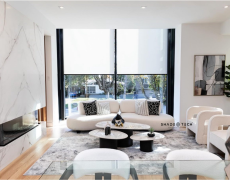
For a home with a wall of glass, the question is not simply whether a shade will fit. It is whether multiple shades will align visually, raise at the same speed, stop at consistent positions, and preserve the clean lines that made the window wall appealing in the first place. Precision is what makes a custom treatment feel integrated rather than added on.
Built for North Texas Sun, Heat, and UV Exposure
North Texas sunlight is not a minor design consideration. It affects comfort, energy use, flooring, artwork, furniture, and the practical use of a room. The right window covering can reduce glare and solar heat gain while maintaining the daylight and views that large windows were meant to provide.
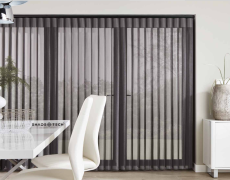
The best solution depends on how the space is used. Solar screen shades are often a strong fit for living rooms, offices, restaurants, and commercial spaces where outward visibility matters. Their openness factor determines how much view and daylight remain, but also how much glare control and privacy the fabric provides. A lower openness fabric offers more protection and privacy, while a higher openness fabric preserves a more open view.
For bedrooms, media rooms, nurseries, and spaces with intense morning or evening light, blackout or room-darkening shades may be the better choice. True darkness requires more than blackout fabric alone. Mounting method, side gaps, top coverage, and the shape of the window all influence how much light enters the room.
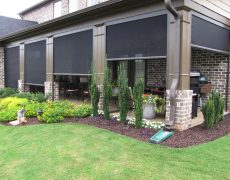
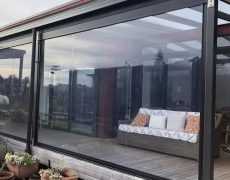
Plantation shutters offer another durable option for homeowners who want adjustable light control and an architectural finish. Their louvers can direct daylight upward, soften glare, and create privacy without closing off the room entirely. Outdoors, motorized screens can make patios more usable by cutting low sun, reducing windblown debris, and adding a layer of insect protection.
No single product is right for every window. The strongest plans often combine solutions: solar shades in common areas, blackout shades in bedrooms, shutters in high-visibility rooms, and exterior screens where patio comfort is the priority.
Automation Makes Performance Consistent
A manually operated shade can provide excellent light control, but it only helps when someone remembers to adjust it. Automation turns a window covering into an active part of the home or business environment.
Motorized blinds and smart shades can be scheduled to lower during the hottest afternoon hours, rise in the morning for natural light, or close at night for privacy. In a home, that may mean the shades lower automatically in a sun-facing family room before the room overheats. In a restaurant, it can mean keeping diners comfortable without asking staff to walk the room and adjust each window throughout service.
Voice control is useful, but the bigger advantage is coordination. A properly designed system can group multiple shades by room, floor, exposure, or activity. One command can lower every shade in the main living area. A scene can close bedroom shades, dim lights, and prepare a media room for a movie. Smart shades can also integrate with Alexa, Google Home, Apple HomeKit, and Matter-enabled smart-home systems when the selected controls and platform are compatible.
Compatibility should be planned early, particularly in new construction and major renovations. Some motorized systems use rechargeable battery power, which can be ideal when wiring is not practical. Others are hardwired for permanent power, a cleaner choice for large openings, frequent use, or projects where electrical planning is already underway. Battery systems offer installation flexibility, while hardwired systems reduce ongoing charging needs. The right answer depends on window count, access, daily operation, and construction conditions.
Factory-Direct Manufacturing Improves the Experience
Buying window coverings through a retail channel can mean dealing with separate parties for product selection, measurement, manufacturing, installation, and service. When something is off, the homeowner is left trying to determine who owns the problem.
A vertically integrated local manufacturer keeps the responsibility in one place. The same company can guide material selection, verify measurements, fabricate the order, install the system, and configure the controls. That does not remove every variable from a custom project, but it creates clearer accountability and a more controlled final result.
Factory-direct production can also reduce retail layers that add cost without improving the product. The value is not simply a lower number on a quote. It is investing in better materials, precise fabrication, professional installation, and control systems that match how the space will actually be used.
At ShadeoTech, that process is handled locally from the Carrollton facility, allowing Dallas-Fort Worth customers to work with a team that understands the region’s sun exposure, architecture, and smart-home expectations. For contractors and builders, local coordination can also make it easier to align window treatment planning with electrical, trim, and final finish schedules.
Professional Installation Protects the Investment
Custom shades, shutters, and screens are finish products. Their appearance depends on level mounting, clean spacing, aligned hardware, properly tensioned fabric, and control settings that are tested before the project is complete. This matters even more with motorized systems, where a well-installed shade should move quietly, stop accurately, and respond consistently.
Installation also affects safety and long-term durability. Heavy shutters need secure attachment. Outdoor screens require the right mounting surfaces and track alignment. Motorized shades need properly placed brackets, protected wiring when applicable, and thoughtful access for future service.
For commercial spaces, the installation standard has to account for daily wear. Clinics need privacy and glare management without creating a difficult cleaning routine. Restaurants need products that look polished under changing daylight and hold up to frequent operation. Offices need screen fabrics that reduce monitor glare while keeping the space bright enough to feel productive.
Design Should Support the Architecture
Performance comes first in a climate like North Texas, but it should not come at the expense of design. Window coverings occupy a large visual area, especially in rooms with expansive glass. Fabric color, texture, cassette style, hardware finish, and mounting method all influence whether the treatment feels intentional.
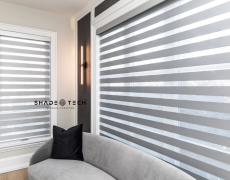
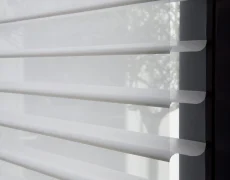
A minimal roller shade can nearly disappear when raised and provide a clean, modern plane when lowered. Woven materials can add warmth to a room with stone, glass, and metal finishes. Shutters can create structure and permanence in traditional, transitional, or contemporary interiors depending on louver size and color selection.
The most effective choices respect both the room and the view. A great shade does not compete with the architecture. It gives the space more usable hours, protects what is inside it, and disappears into the routine of daily life when automation takes over.
If your windows are working against your comfort instead of supporting it, start with the exposure, the room’s purpose, and the level of control you want. The right local solution should feel custom from the first measurement to the moment the shades move exactly when you need them.
