


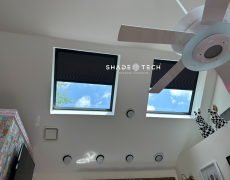


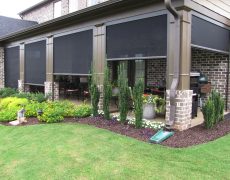

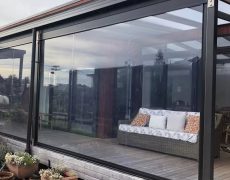



A patio can look exceptional at 9 a.m. and become unusable by 3 p.m. in a North Texas summer. Outdoor screen reviews are most useful when they move beyond appearance and star ratings to answer the questions that determine daily comfort: How much heat will the screen reduce? Will it hold up to wind? Does the motor operate reliably? And will the installation actually fit the opening?
For Dallas-Fort Worth homeowners, restaurants, clinics, builders, and commercial property owners, an outdoor screen is not simply a decorative add-on. It is a purpose-built exterior shading system that can protect a patio, storefront, waiting area, or outdoor dining space from sun, glare, insects, and heat. The right system creates a more usable outdoor area without closing it off from the view.
How to Read Outdoor Screen Reviews Critically
Most reviews describe the customer experience after installation, and that perspective matters. Look for comments about professionalism, communication, fit, finish, and whether the screen continues to operate properly over time. Still, reviews alone cannot tell you whether a screen is appropriate for your specific patio or facade.
A five-star review for a small, protected porch does not automatically apply to a large west-facing opening exposed to prevailing wind. Likewise, a homeowner may be delighted with a manually operated solar shade, while a restaurant with multiple bays needs motorized screens designed for repeated daily cycles and staff-friendly controls.
The most credible outdoor screen reviews tend to mention details: reduced afternoon glare, a cooler seating area, clean side tracks, quiet motor movement, precise alignment, or a technician who solved an uneven opening. Specific outcomes are more valuable than broad claims that a product is “great.” They show how the system performed in a real setting.
It is also worth separating product feedback from installation feedback. Outdoor shades are measured and mounted on site, often against masonry, stucco, steel, wood, or composite trim. A premium screen can underperform if its cassette, tracks, fasteners, and bottom bar are not selected and installed for the actual structure.
Fabric Performance Is More Than Color
The fabric is the working surface of an outdoor screen, so it deserves more attention than it usually receives in online reviews. Openness factor, color, weave, and material determine the balance between solar control, visibility, airflow, and privacy.
A more open solar mesh preserves a clearer outward view and allows more airflow. It can be an excellent choice for a covered patio where the priority is cutting glare while maintaining an open feel. A tighter weave provides greater privacy and can block more sun, but it may slightly reduce visibility and air movement. Neither is automatically better. The correct choice depends on orientation, nearby homes, landscaping, and how the space is used.
For intense Texas sun, fabric color also affects visual comfort. Darker exterior fabrics often provide better outward visibility because they reduce reflected light on the screen surface. Lighter colors can complement an exterior palette and may feel brighter from inside the patio, but they can show more glare in certain conditions.
Ask whether the selected material is intended for exterior UV exposure and whether its edges are properly retained in the track system. A fabric that looks refined at installation should continue to resist fading, sagging, and distortion through long stretches of heat and seasonal weather changes.
Insect Protection and Privacy Have Limits
Many outdoor screens reduce insect activity and create welcome privacy, but they should not be marketed as a substitute for a fully sealed room. Small gaps may remain around architectural transitions, and the system must allow for smooth operation. A well-designed installation significantly improves comfort, but expectations should match the construction of the space.
Privacy is also directional. A screen that limits views into a patio during the day may offer less privacy after dark when interior or patio lighting is brighter than the exterior. For homes close to neighbors or commercial patios near active sidewalks, fabric selection should account for both daytime and evening use.
Wind Ratings and Track Design Deserve a Closer Look
North Texas weather can change quickly. Strong wind, driving rain, and sudden storms are part of the ownership experience, especially on exposed patios and upper-level balconies. This is why the side-track system matters as much as the fabric.
Guided outdoor screens use tracks or retention systems to keep the fabric aligned as it travels. Quality tracks help control side gaps, support a clean visual line, and improve stability in normal breezes. However, no retractable screen should be treated like permanent storm protection. Conditions such as high wind gusts, debris, or severe weather may require the screen to be raised.
When comparing systems, ask how the manufacturer evaluates wind exposure for your opening. The answer should consider screen width and height, mounting surface, track style, fabric type, and whether the area is sheltered by a roofline or adjacent walls. A provider that treats every opening the same is not accounting for real-world performance.
For commercial applications, durability also includes usage frequency. A restaurant patio screen may go up and down several times every day. A medical clinic may use exterior shading to control waiting-room glare through business hours. Motors, controls, bottom bars, and mounting components should be selected for that operating pattern, not just for occasional residential use.
Motorization Changes How Often You Use the Space
Manual screens can be practical for small, accessible openings. But tall openings, wide patio walls, and multi-screen outdoor rooms benefit greatly from motorization. The most common advantage is simple: people use screens more often when they can lower them with a wall control, remote, app, schedule, or voice command.
For a west-facing patio, automation can lower screens before peak afternoon sun reaches the seating area. For a restaurant, grouped controls can prepare an outdoor dining zone before service. At home, a smart scene can coordinate outdoor screens with interior shades, lighting, and climate settings.
Compatibility should be verified before purchase. Smart-home integration is not just a logo on a brochure. Ask whether the system can work with the platform you already use, whether control is local or cloud-dependent, and what happens during a Wi-Fi interruption. Homeowners who use Alexa, Google Home, Apple HomeKit, or Matter-compatible systems should request a clear explanation of the available integration path.
Safety features matter as well. Obstacle detection, proper limit setting, protected wiring, and professionally configured controls help prevent damage and improve everyday reliability. These details rarely make a short review, yet they strongly influence long-term satisfaction.
Custom Measurement Separates a Finished System From a Retail Kit
Outdoor openings are rarely perfectly square. Brick joints vary, columns shift, ceiling lines slope, and trim details can create mounting challenges. Custom measurement is what turns an outdoor screen from a generic product into an integrated exterior feature.
Before fabrication, an experienced team should assess mounting depth, structural fastening points, electrical access for motorized systems, drainage paths, and clearance around doors, furniture, railings, and ceiling fans. The cassette needs a logical home when the screen is raised, and the tracks need to align without interfering with the architecture.
This is especially relevant for contemporary North Texas homes with expansive patios, outdoor kitchens, and large glass walls. One oversized screen may look cleaner, but multiple smaller zones can offer better control, easier operation, and more flexibility around doors or entertaining areas. The best layout depends on how the family moves through the space.
ShadeoTech approaches these decisions through local measurement, Texas manufacturing, and professional installation, rather than asking customers to adapt a retail-sized product to a custom opening. That factory-direct approach can also provide greater control over finish selections, dimensions, and smart-home setup.
Questions Worth Asking Before You Decide
The right installer should be comfortable discussing limitations as well as benefits. Ask how the screen will perform on your patio at different times of day, what wind conditions require it to be retracted, and how the fabric will affect your view from indoors and outdoors.
You should also ask what is included in the quoted scope. A complete price should clarify electrical work, controls, smart-home programming, mounting preparation, trim or finish details, and service after installation. A lower initial number can become less attractive if it excludes the work needed to make the system operate and look finished.
Finally, view samples outside if possible. Fabric that looks ideal under showroom lighting can behave differently in direct Texas sunlight. Compare openness levels, hold colors up against your exterior finishes, and look through the material toward the view you want to preserve.
A well-chosen outdoor screen should make a patio, business frontage, or covered gathering space feel more useful on the days it would otherwise sit empty. Start with the sun exposure and how you want to use the area, then choose the fabric, track system, automation, and installation plan that support that purpose for years to come.
