


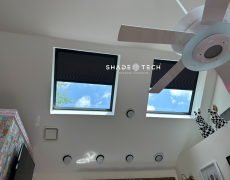


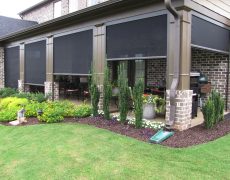

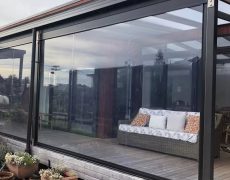



A gazebo can look complete on a floor plan and still become unusable by 4 p.m. in a Dallas summer. Direct western sun, mosquitoes, windblown debris, and reflected heat from stone or concrete can turn a beautiful outdoor structure into a space everyone avoids. Custom gazebo screens change that equation by giving homeowners control over sun, airflow, privacy, and insects without closing off the view.
For North Texas homes, the best screen system is rarely a standard, one-size-fits-all panel. Opening size, structure material, sun exposure, wind conditions, and how the space is used all affect the right solution. A screened gazebo used for quiet mornings needs something different from a poolside pavilion that hosts dinner parties or a restaurant patio that must operate comfortably through changing weather.
What Gazebo Screens Should Solve
A quality outdoor screen should do more than keep bugs out. In DFW, solar control is often the deciding factor. Afternoon heat can make outdoor furniture too hot to use and drive guests indoors long before sunset. The right screen fabric filters harsh light and UV exposure while preserving enough outward visibility to keep the gazebo connected to the yard, pool, or landscape.
Insect protection matters just as much during warm evenings. Fine mesh fabrics can reduce mosquitoes, flies, and other pests without stopping ventilation. This is especially valuable near greenbelts, water features, wooded lots, and landscaped yards where insects are more active.
Privacy is another common need. Gazebos often sit near property lines, neighboring second-story windows, or active pool areas. A denser fabric, darker exterior-facing color, or strategically selected screen opacity can create a more private setting while still allowing light into the structure. The goal is not to make the space dark. It is to make it feel intentional and comfortable.
Fixed Panels or Retractable Gazebo Screens?
The first design decision is whether the screens should remain in place or disappear when conditions are favorable. Both approaches have a place, but the daily experience is very different.
Fixed screens for dedicated enclosure
Fixed screen panels are a practical choice when a gazebo is consistently exposed to insects or when the owner wants an always-protected outdoor room. They work well for structures with clearly defined openings and can create a clean, tailored appearance when measured and installed precisely.
The trade-off is flexibility. A fixed screen remains visible year-round and does not offer an open-air option on mild days. For homeowners who want their gazebo to feel fully open during spring and fall, a fixed installation can feel limiting.
Motorized screens for on-demand control
Motorized retractable screens allow each opening to remain open when the weather is pleasant, then lower at the touch of a button when sun, bugs, glare, or wind becomes a problem. They are particularly well suited to larger contemporary gazebos, covered patios, cabanas, and outdoor kitchens where wide openings are part of the architecture.
For a west-facing structure, automation adds a useful layer of comfort. Screens can lower on a schedule before late-afternoon sun hits the seating area, then rise after sunset. A motorized system can also be controlled by wall switch, handheld remote, smartphone app, or compatible smart-home platform, depending on the selected configuration.
Retractable systems require properly engineered mounting surfaces, accurate measurements, and side retention designed for the opening. They are a premium solution, but for a frequently used outdoor living area, the convenience and cleaner appearance often justify the investment.
Choose Screen Fabric for the Actual Exposure
Not all mesh is designed to solve the same problem. Selecting fabric based only on color or price can lead to disappointing performance, particularly under North Texas sun.
Solar screen fabrics are designed to reduce glare and heat while maintaining outward visibility. Openness factor affects how much light and view pass through the material. A more open weave preserves a clearer view but blocks less sun. A tighter weave provides stronger shade and privacy but can reduce visibility and airflow.
Insect mesh prioritizes protection from small pests and is often appropriate for gazebos near gardens, creeks, or heavily landscaped areas. Some homeowners choose an insect-focused mesh for most openings and use a solar-control screen on the side with the harshest afternoon exposure.
Privacy fabrics are useful when a gazebo faces a neighboring home or busy street. They can soften sightlines and reduce visual clutter, though they may be less transparent from the inside. Color also matters. Darker fabrics often offer better outward visibility during daylight, while lighter colors can make the screen more visually prominent.
A custom consultation should account for sun direction, roof overhang, ceiling height, and the reflective surfaces surrounding the gazebo. A screen that performs well on a shaded north-facing opening may not provide enough heat control on an exposed western elevation.
Details That Separate a Custom Installation
Outdoor screens face more demanding conditions than interior shades. They must operate reliably through heat, dust, wind, humidity, and repeated use. That makes the frame, guides, mounting method, and fabric quality just as important as the screen itself.
For motorized gazebo screens, side channels or zipper-style retention systems help hold the fabric in position and reduce gaps along the edges. This improves insect control and gives the screen a cleaner, more finished appearance. The right retention method depends on the size of the opening, expected wind exposure, and structure design.
Professional measurement is critical because outdoor structures are rarely perfectly square. Posts can shift slightly, beams may vary, and stone or stucco mounting areas require careful planning. A system manufactured to the actual opening, rather than an approximate nominal size, operates better and looks more integrated with the gazebo.
Power planning also deserves attention early in the process. Concealed power is ideal for motorized installations, especially in new construction or major renovations. Existing structures can often be retrofitted, but the location of outlets, control wiring, and motor access should be considered before fabrication begins.
Smart Control Makes Outdoor Spaces Easier to Use
A screen only improves comfort when people will actually use it. Automation removes the small inconvenience of walking around the gazebo, adjusting multiple openings, or responding too late after the sun has already heated the space.
A homeowner might create an “outdoor dinner” scene that lowers the insect screens at dusk and turns on landscape lighting. A pool pavilion could lower solar screens during the hottest afternoon hours, then open them for an evening gathering. Restaurants and hospitality properties can give staff reliable control over patio conditions without manually managing multiple panels.
Integration with Alexa, Google Home, Apple HomeKit, or Matter-compatible smart-home systems can make these routines even more useful. Still, automation should support the way the space is used rather than add unnecessary complexity. For a small garden gazebo, a remote may be all that is needed. For a larger outdoor living area with several openings, schedules and voice control can be a meaningful upgrade.
Plan for Your Gazebo, Not a Generic Opening
The strongest results come from treating the gazebo as part of the home’s broader comfort system. Consider where guests sit, which direction the sun travels, whether the space needs privacy, and how often the structure is used. Also think about what happens during a windy storm, not just on a calm showroom day.
ShadeoTech designs and manufactures custom outdoor screen solutions locally in Texas, with precision measurement and professional installation tailored to North Texas conditions. That full-service approach helps avoid the common gaps between a retail screen purchase, a contractor’s interpretation, and the finished installation.
A well-designed gazebo should invite people outside more often, not become another space that is pleasant only in perfect weather. Start with the conditions that make your gazebo uncomfortable now, then select screens that give you practical control over them every day.
