

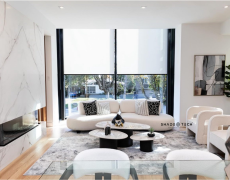
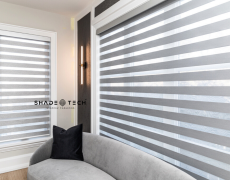
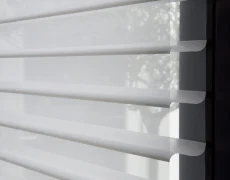
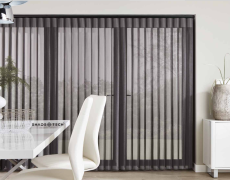

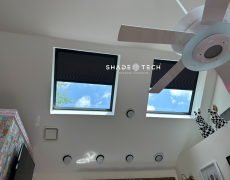


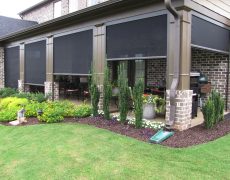

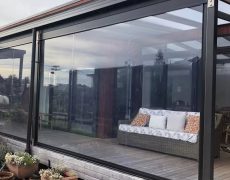



A west-facing living room can be beautifully designed and still become unusable at 4 p.m. when Texas sun hits the glass. Room darkening roller shades give homeowners a clean, architectural way to manage that light without covering large windows in heavy fabric or giving up the view entirely.
For Dallas-Fort Worth homes, the value goes beyond a darker room. The right shade fabric can reduce glare on screens, protect flooring and furnishings from UV exposure, make afternoon spaces more comfortable, and add privacy after sunset. When paired with motorization, those results happen on schedule or with a simple voice command rather than as another daily task.
What Room Darkening Roller Shades Actually Do
Room-darkening shades significantly filter incoming light, but they are not automatically the same as blackout shades. A room-darkening fabric blocks much more light than a solar or light-filtering fabric, making it a strong choice for bedrooms, media rooms, nurseries, offices, and sun-exposed living areas. Some natural light may still appear at the edges of the shade or around the mounting hardware.
That distinction matters when expectations are high. If the goal is to soften harsh daylight, reduce glare, and create dependable evening privacy, room-darkening roller shades are often an excellent fit. If a shift-working homeowner needs near-total darkness at noon, or a dedicated theater requires the least possible light leakage, a blackout fabric with carefully planned side channels or layered window treatments may be the better specification.
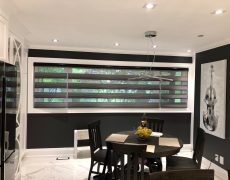
A roller shade’s minimal profile is part of its appeal. The fabric rolls neatly into a compact tube above the window, preserving the clean lines that suit contemporary North Texas architecture, large glass walls, and open-plan interiors. The system can be discreet, but the performance should never be generic.
Why Fabric Selection Matters More Than Color Alone
Two shades can look nearly identical from across the room yet perform very differently. Fabric construction, backing, opacity, color, and how the material is installed all influence comfort and light control.
Darker fabrics generally improve glare control, but a dark color is not always the best answer for a heat-intensive exposure. A white or light-colored backing facing the glass can help reflect solar energy, while the room-facing side can be selected to complement the interior. The ideal combination depends on window orientation, glass type, room use, and the homeowner’s preference for daytime brightness.
For example, a bright south-facing kitchen may benefit from a room-darkening fabric that keeps the space usable without making it feel closed off. A primary bedroom with early morning exposure may call for a denser blackout material and a fascia that conceals the roll. In a home office, the priority may be glare reduction across multiple monitors, with enough daylight retained to avoid relying on overhead lighting all day.
Privacy deserves the same attention. Room-darkening fabrics offer strong privacy when lowered, especially at night when interior lights are on. But if privacy is the primary requirement and the home faces a close neighbor or a busy street, precise measuring and mounting become just as important as the fabric itself.
The Details That Determine How Dark a Room Feels
A shade can use an excellent fabric and still allow more light than expected if the system is specified without regard for the window opening. Light leakage most commonly occurs at the sides, top, and bottom of a roller shade. This is normal with many inside-mounted systems, where the shade must have clearance to operate within the frame.
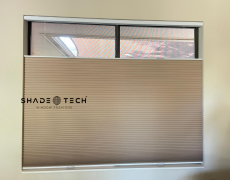
An outside mount can cover more of the opening and reduce edge gaps. It is especially useful on shallow windows, doors, or rooms where darker performance matters more than showing every inch of trim. A custom installer can also recommend a cassette or fascia to cover the roller at the top, creating a more finished appearance while limiting upper light gaps.
For the most demanding applications, side channels can guide the fabric and narrow side leakage dramatically. These systems are often worth considering for media rooms, bedrooms, clinics with treatment spaces, and commercial environments where screen visibility or privacy is non-negotiable. They are not necessary for every window, and they can change the visual profile of the treatment, but they solve a performance problem that fabric alone cannot.
Accurate measurement is not a cosmetic step. Large contemporary windows, out-of-square openings, and high ceilings require a plan for bracket placement, fabric clearance, control access, and alignment across multiple shades. Custom manufacturing gives each opening the attention that off-the-shelf sizes cannot provide.
Motorization Makes Light Control More Useful
Motorized room darkening roller shades are most valuable when they respond to how a room is actually used. A scheduled scene can lower shades on west-facing windows before afternoon heat and glare arrive, then raise them when the sun moves away. In a bedroom, shades can close at bedtime and open gradually in the morning. In a media room, one command can prepare the entire space for viewing.
For smart-home households, professional integration is the difference between a motorized shade and a reliable automation system. Shades can be coordinated with Alexa, Google Home, Apple HomeKit, and Matter-compatible smart-home platforms, depending on the selected control system. Wall keypads, remotes, mobile apps, voice control, and programmed schedules each serve a different purpose, and the best setup usually includes more than one way to operate the shades.
Battery-powered motors can be an effective solution where wiring is impractical or where finished walls should not be disturbed. Hardwired systems are often preferred for new construction, major renovations, and large shade packages because they eliminate battery maintenance and support a highly polished installation. Solar charging options may also work in certain exposures, though their suitability depends on available direct light and the window’s use.
The practical question is not simply whether a shade can be motorized. It is whether the power, control, and installation plan will remain dependable years after the project is complete.
Where These Shades Deliver the Greatest Return
Room darkening roller shades are particularly effective in spaces where light creates a daily inconvenience. Bedrooms are an obvious choice, but they are far from the only one. Great rooms with walls of glass, home offices, lofts, and kitchens with strong western exposure can all benefit from controlled daylight.
In medical clinics, room-darkening systems can improve patient privacy and reduce glare in exam or treatment rooms. Restaurants can use them to make dining rooms more comfortable during late-afternoon sun while maintaining a refined, uncluttered look. Builders and contractors can specify coordinated roller shade systems across a project to give large-window designs a finished, functional result from day one.
The trade-off is that darker fabrics reduce the daylight that makes a room feel open. That is why many homeowners choose room-darkening shades selectively rather than installing the same opacity throughout the house. A bright living area may need light-filtering solar shades, while nearby bedrooms and a television room use room-darkening or blackout fabrics. Matching hardware and fabric families can keep the overall design consistent even when performance varies by room.
A Better Process for Custom Roller Shades
A high-performing shade project begins with a conversation about the window, not a sample book alone. Window direction, ceiling height, trim depth, glazing, neighboring sightlines, furniture layout, and smart-home goals should guide the recommendation. Samples then help confirm color and texture under the actual light conditions in the room.
From there, precision measurement establishes the proper mount, fabric dimensions, bracket locations, and motor requirements. Local manufacturing also allows a custom shade package to be built around the project rather than forcing the project around standard retail sizes. ShadeoTech combines that factory-direct approach with professional installation and smart-home setup, giving homeowners one accountable team from consultation through final programming.
Before selecting fabric, stand in the room at the time of day when it is hardest to use. Notice where the glare lands, how much privacy is needed, and whether the goal is softer light or true darkness. That simple observation will lead to a room darkening roller shade system that looks intentional and performs when the North Texas sun is at its strongest.
