

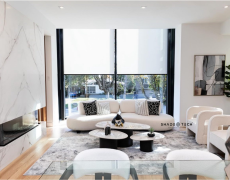
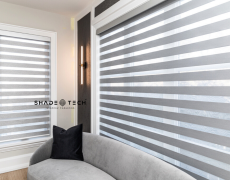
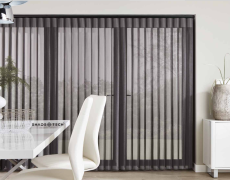
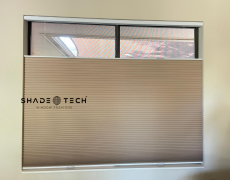

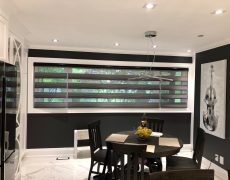
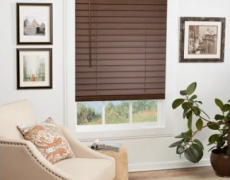
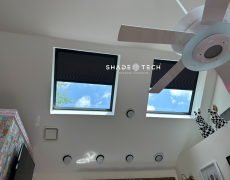


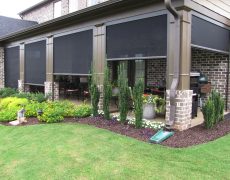

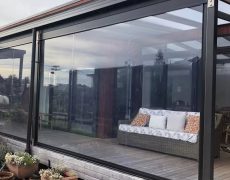



A wall of glass can make a Dallas-Fort Worth home feel dramatic, open, and connected to the outdoors. It can also turn a living room, office, restaurant, or clinic into the hottest, brightest space in the building by midafternoon. Large window roller shades are built to solve that problem without covering up the architecture that made those windows appealing in the first place.
For expansive contemporary windows, the right shade is not simply a decorative layer. It is a precision-sized system that manages solar heat, glare, privacy, UV exposure, and daily convenience. The difference between a well-designed roller shade installation and an off-the-shelf solution becomes especially clear on wide glass panels, tall ceilings, and sun-facing rooms.
Why large windows need a different shading strategy
Standard window coverings can look undersized or become difficult to operate when the glass is unusually wide or tall. Larger openings place more demand on the fabric, roller tube, brackets, and operating system. A shade that is too light-duty may sag, track unevenly, telescope on the tube, or become frustrating to raise and lower.
North Texas adds another variable: solar intensity. West-facing windows can introduce significant afternoon heat, while south-facing glass receives prolonged direct sun through much of the year. That heat can make rooms uncomfortable, increase air-conditioning demand, and fade flooring, furnishings, artwork, and cabinetry over time.
A properly specified roller shade addresses these conditions as one system. The fabric determines glare control and outward visibility. The hardware supports the width and weight of the panel. The mounting method closes unwanted light gaps where possible. Motorization makes a high or oversized shade practical to use every day.
Choose the fabric before choosing the color
Color matters, particularly in a design-forward home or commercial setting, but performance starts with openness and opacity. The best choice depends on what the room needs at different times of day.
Solar screen fabrics preserve daylight and views
Solar fabrics are often the preferred choice for living areas, kitchens, offices, waiting rooms, and restaurants with strong views. They reduce glare and filter harsh sunlight while allowing daylight to remain in the space. Openness factors vary, commonly from tighter weaves that provide more sun control to more open weaves that preserve a clearer view outside.
A tighter fabric is generally better for heat and glare reduction, but the view becomes more subdued. A more open fabric creates a lighter visual effect and stronger connection to the outdoors, although it allows more light through. For many Dallas homes, the best answer is not the most open or the darkest fabric. It is the fabric that makes the room comfortable at the time it is used most.
Fabric color also affects performance. Darker solar fabrics often provide stronger outward view clarity because they reduce reflected light on the interior side. Lighter colors can create a brighter, softer room appearance and may better suit pale interiors. Samples should be viewed against the actual glass, not only under showroom lighting.
Blackout fabrics are for true privacy and room darkening
Bedrooms, media rooms, treatment rooms, and conference spaces may require blackout roller shades. A blackout fabric blocks light through the material itself, but light can still enter around the shade’s edges. If room darkening is the goal, side channels, a fascia, or carefully planned mounting details can make a meaningful difference.
Blackout systems involve a trade-off. They offer privacy and excellent light control, yet they remove the daytime view when lowered. In rooms that need both a view during the day and darkness at night, dual shades can be a strong solution: a solar screen fabric for daytime use and a blackout fabric for evening privacy.
Scale, hardware, and installation determine reliability
Large window roller shades should be engineered around real measurements, not estimated from a window’s listed size. Window frames are rarely perfectly square, drywall returns vary, and a few fractions of an inch can affect how a shade aligns or how much light enters at the sides.
Wide shades may require larger roller tubes to prevent deflection and maintain a smooth roll. Depending on the window layout and fabric selection, a single broad shade may be appropriate, or multiple shades may be the better design. Splitting a very wide opening can improve operation and fabric stability, though it introduces a narrow gap between panels. The right choice depends on sightlines, mullion locations, fabric weight, and the desired finished appearance.
Mounting location deserves equal attention. An inside mount creates a clean, built-in look but can leave side gaps and requires adequate depth. An outside mount can cover more of the opening and often improves light control, especially for bedrooms and media rooms. Ceiling mounts are popular for floor-to-ceiling glass and can make a room feel taller, but they require accurate planning around trim, sprinklers, doors, and ceiling conditions.
This is where professional measurement and installation protect the investment. A large shade may look minimal once installed, but its brackets, power access, clearances, and fabric alignment all need to be resolved before installation day.
Motorization is practical, not just impressive
Manual operation can work well for accessible medium-size windows. It becomes less appealing when shades are tall, wide, behind furniture, or located two stories above the floor. Motorized large window roller shades make those openings usable rather than decorative features that remain in one position all season.
Scheduled automation is particularly valuable in North Texas. Shades can lower during the strongest afternoon sun, rise in the morning to bring in daylight, or close automatically when a room reaches a selected temperature. In a commercial space, programmed shading can reduce glare on screens and create a consistent guest or patient experience without requiring staff to adjust every window manually.
For smart-home households, the system should fit the home’s existing ecosystem. Professional options can integrate with Alexa, Google Home, Apple HomeKit, and Matter-enabled platforms, depending on the motor and control configuration. Voice control is convenient, but scenes and schedules are often the feature homeowners use most. A “Goodnight” scene can close bedroom shades, while an “Away” scene can manage sun exposure and privacy throughout the home.
Power planning matters early. Hardwired motors are an excellent long-term choice for new construction and major renovations because they avoid battery maintenance. Rechargeable battery motors can be ideal for completed homes where opening walls is not desirable. Solar charging accessories may help in favorable locations, but they should be selected based on actual sun exposure rather than assumed to work in every window.
Design details that make the system look finished
Roller shades are known for clean lines, but their minimal appearance depends on thoughtful details. A visible roller can suit a modern, architectural room. A fabric-wrapped cassette or metal fascia can conceal the roll and create a more polished top treatment. Matching hardware finishes, coordinated fabric colors, and consistent mounting heights help a multi-window installation feel intentional.
For large rooms with several glass walls, consistency is usually more valuable than treating every opening as a separate decision. That does not mean every shade must use the same fabric. A south-facing wall may need a tighter solar fabric than a shaded elevation, for example. It means the system should share a coherent visual language and control strategy.
Commercial projects benefit from the same discipline. Clinics need privacy and glare control without creating a closed-in atmosphere. Restaurants need daylight management that protects guests from direct sun while preserving the room’s visual energy. Builders and designers need predictable finishes, clean installation, and systems that perform after turnover.
A local custom approach pays off on oversized glass
Large shades expose small mistakes. An imprecise measurement, weak motor selection, or fabric chosen without considering sun direction can compromise both appearance and comfort. Factory-direct custom manufacturing allows the shade, tube, controls, and installation approach to be matched to the actual opening rather than forced into a standard retail size.
ShadeoTech manufactures and installs custom shading systems locally in the Dallas area, combining precise field measurement with smart-home setup and professional installation. That integrated approach is especially valuable when a project includes tall windows, multiple rooms, specialty fabrics, or automated scenes across the home.
The best time to plan large-window shading is before the heat, glare, or lack of privacy becomes the daily annoyance everyone learns to work around. Start with how each room is used, where the sun hits, and which views deserve to remain visible. From there, the right roller shade system becomes a quiet part of the architecture: present when it is needed and nearly invisible when it is not.
