


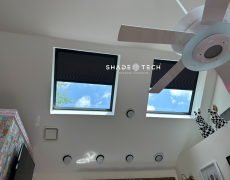


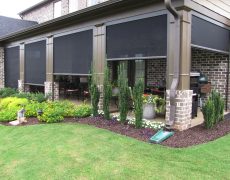

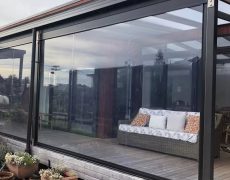



A west-facing patio in Dallas can feel comfortable at 10 a.m. and nearly unusable by late afternoon. The right outdoor shade fabric changes that equation without closing off the view, blocking needed airflow, or making an outdoor living area feel dark. This outdoor shade fabric guide explains what actually matters when selecting fabric for patios, pergolas, restaurant terraces, clinic waiting areas, and large exterior openings across North Texas.
Fabric is not a cosmetic add-on to an outdoor screen system. It determines solar control, privacy, visibility, wind performance, cleaning requirements, and how the finished installation looks from both inside and outside. A premium motorized screen can only perform as well as the material fitted into it.
Start With the Sun Exposure, Not the Color
The best fabric choice begins with how the space is used and where the sun hits it. South- and west-facing elevations receive the most demanding afternoon exposure in North Texas. These areas typically need stronger heat and glare control than a covered porch that gets only filtered morning light.
For a patio, ask when people actually sit outside. If dinner, entertaining, or pool time happens after 4 p.m., low-angle sun and glare are usually the primary concerns. For a commercial terrace or restaurant frontage, consider the customer experience throughout operating hours, including whether direct light lands on tables, point-of-sale screens, or seating.
A professional measurement also reveals details that photos often miss: reflected heat from concrete or a pool, oversized openings, roof overhang depth, wind direction, and whether the screen needs to align with existing architectural lines. These factors influence both the fabric specification and the screen system needed to support it.
Outdoor Shade Fabric Guide: Understand Openness Factor
Openness factor is one of the most useful specifications in outdoor solar fabric. It describes the percentage of open space in the weave. A lower percentage has a tighter weave; a higher percentage allows more visibility and daylight through the fabric.
A 1% openness fabric provides substantial privacy, glare control, and UV filtering. It is well suited to sun-heavy exposures, close neighbors, and spaces where heat reduction is the priority. The trade-off is a more limited outward view and a slightly darker appearance from inside the patio or room.
A 3% to 5% openness fabric is often the balanced choice for many Dallas-Fort Worth homes. It reduces harsh sunlight while preserving a useful view of the yard, pool, or landscape. It can make an uncovered patio noticeably more usable without creating the feeling of a solid wall.
A 10% openness fabric offers greater visibility and daylight, making it attractive for covered patios with lighter sun exposure or locations where maintaining a clear exterior view is the central goal. It will not deliver the same glare and heat control as a tighter weave, particularly on west-facing glass or open exposures.
The number alone should not make the decision. Fabric color, weave, and the direction of the sun all affect perceived visibility. A custom consultation helps match openness to the actual performance target rather than choosing based on a small showroom sample.
Prioritize UV Protection and Heat Control
Outdoor solar fabrics are designed to intercept solar energy before it reaches the patio, glass, furniture, or people beneath it. That placement matters. Exterior shading is generally more effective at managing solar heat gain than an interior window treatment because it stops much of the sun before it passes through the glass.
Look for fabrics engineered for high UV protection and exterior use. Quality solar screen materials can filter a significant percentage of ultraviolet rays, helping protect outdoor upholstery, flooring, wood finishes, artwork near windows, and interior furnishings visible through large glass doors.
Heat control depends on more than UV ratings. Visible light, infrared energy, fabric color, and openness all contribute to the result. A darker fabric may deliver better outward visibility during the day because it reduces reflected light on the screen surface. A lighter fabric can better complement a bright exterior palette and may feel less visually dominant, but it can show more glare under certain conditions.
For homes with expansive sliding doors or retractable glass walls, exterior screens can also reduce the radiant heat that makes adjacent indoor rooms uncomfortable. Pairing exterior solar screens with interior motorized shades gives homeowners two levels of control: one for the sun before it reaches the glass, and one for privacy and room-darkening after sunset.
Choose Materials Built for Outdoor Conditions
An outdoor shade fabric must withstand more than sunlight. North Texas asks it to handle sudden wind, spring pollen, humidity, blowing dust, hail-season weather changes, and long stretches of intense heat. Indoor roller-shade fabric is not a substitute, even when it looks similar.
Most high-performing outdoor solar fabrics use vinyl-coated polyester or fiberglass yarns. These materials are valued for their dimensional stability, resistance to fading, and ability to hold their shape across repeated screen cycles. The coating helps the fabric resist moisture and makes routine cleaning easier.
Fabric quality should also be evaluated with the complete system in mind. A properly tensioned, guided outdoor screen is less likely to flap, wrinkle, or pull out of alignment in normal use. For exposed openings, the screen housing, side tracks, bottom bar, and mounting surface matter as much as the fabric itself. A durable material installed on an underbuilt system will not provide the long-term result a custom project deserves.
No fabric can make an open patio fully weatherproof. Screens reduce direct sun, glare, insects, and light wind, but they are not a replacement for structural walls or storm protection. In high winds, motorized screens should be raised according to the system’s operating guidance. That practical limitation protects the investment and prevents unrealistic expectations.
Match Color to Performance and Architecture
Outdoor screen fabric color affects curb appeal, sightlines, and day-to-day function. The best choice usually relates to the exterior trim, window frames, patio finishes, and surrounding landscape rather than matching a single paint color exactly.
Dark charcoal, bronze, and black fabrics are popular because they tend to visually recede when looking outward. They can frame a landscape cleanly and complement contemporary homes with dark window systems. They also work well for restaurants and hospitality settings where a refined, uniform exterior appearance matters.
Lighter gray, sand, and warm neutral fabrics can soften the look of a large screen wall and coordinate with limestone, stucco, light brick, or natural wood. These colors are often a strong design choice for traditional and transitional homes. Still, compare them in the intended location. What looks subtle in a fabric book can look much brighter across a 15-foot opening in direct sun.
If privacy is a concern, remember that solar fabric provides daytime privacy more effectively than nighttime privacy. When exterior lights are on and the interior is brighter, silhouettes and activity can become visible through an open-weave screen. For a bedroom-adjacent patio, a pool house, or a commercial space with evening use, consider whether a tighter weave, an additional interior treatment, or a different privacy solution is needed.
Plan for Automation Before Installation
Motorization makes outdoor screens much more likely to be used at the right time. Instead of manually managing multiple large openings, homeowners can lower screens before afternoon sun reaches the patio or raise them with a voice command when they want an unobstructed view.
For smart-home households, specify control requirements early. Outdoor screens can be integrated into Alexa, Google Home, Apple HomeKit, and compatible Matter-based smart-home environments, depending on the selected system and control configuration. Scheduled scenes can lower west-facing screens at a set time, while grouped controls can manage a full patio perimeter from one wall switch, remote, or app.
Automation does not remove the need for thoughtful operation. Wind-sensitive sites may benefit from sensors or a simple habit of raising screens before severe weather. A professionally configured system should be intuitive enough that every family member or staff member knows how to use it correctly.
Make the Final Selection With Full-Size Samples
A small fabric swatch cannot show how openness, color, and glare will feel across a large opening. Review larger samples outdoors at different times of day, especially if the installation faces west. Hold the sample at the planned screen location and look through it toward the view you want to preserve.
Also consider maintenance. Most exterior screen fabrics need only periodic rinsing and gentle cleaning with mild soap and water. Avoid abrasive brushes and harsh chemicals that can damage coatings. Keeping nearby landscaping trimmed and tracks clear of leaves or debris supports smooth operation.
For a custom project, the strongest result comes from treating fabric selection as a performance decision, not just a color decision. ShadeoTech pairs local precision measurement, Texas manufacturing, professional installation, and smart-home setup so the fabric, screen structure, and controls work as one finished system.
Before choosing, stand in the space during its hottest hour and decide what you want to improve most: glare, heat, privacy, insects, view preservation, or all-day usability. That answer will point to the fabric specification that makes your outdoor area feel designed for North Texas rather than merely covered from it.
