








A North Texas patio can be beautifully designed and still sit empty for much of the year. Afternoon glare, intense heat, mosquitoes, and sudden wind make open-air spaces harder to use than they should be. Zip track outdoor screens turn a covered patio, pergola, restaurant terrace, or clinic waiting area into a more comfortable extension of the property without closing it off with permanent walls.
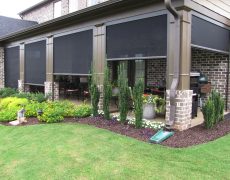
Unlike a standard outdoor roller shade, a zip-guided screen runs inside side channels. The screen fabric is secured along both vertical edges, creating a controlled, taut barrier when lowered. That difference matters in Dallas-Fort Worth, where direct sun and unpredictable weather can expose the limits of loosely guided shades.
What Makes Zip Track Outdoor Screens Different?
The defining feature is the guided edge system. A welded zipper or comparable retention edge connects the fabric to tracks installed along each side of the opening. When the screen moves down, it stays aligned within the channels rather than relying on a free-hanging bottom bar alone.
The result is a cleaner appearance and better perimeter coverage. Properly measured and installed zip track outdoor screens reduce the side gaps that let in glare, insects, and wind. They are not a weatherproof wall, and they should not be treated as protection from severe storms, but they offer a substantial performance upgrade over basic outdoor shades.
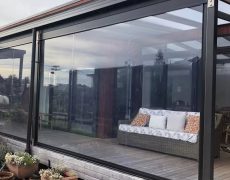
For homes with broad patio openings, the screen can also create visual order. The tracks frame the opening cleanly, the fabric remains tensioned, and the system disappears upward when not needed. That matters for contemporary Dallas homes where the patio is designed to feel connected to the living room, pool area, or outdoor kitchen.
The Practical Benefits for North Texas Properties
A well-specified outdoor screen system solves several problems at once. The priority depends on the property, orientation, and how the space is used.
Heat and glare control
West-facing patios receive some of the most punishing light of the day. Exterior solar screen fabric intercepts sunlight before it reaches people, furniture, and glass doors. This can make an outdoor seating area more usable during late afternoons while helping reduce the solar load entering adjacent interior rooms.
Fabric openness is a key decision. A more open weave preserves outward visibility and airflow but allows more light through. A tighter weave provides greater shade and privacy but slightly reduces the view. The right choice is not always the darkest fabric. A patio facing a landscaped yard may benefit from a fabric that maintains the view, while a restaurant patio facing a parking area may prioritize privacy and glare reduction.
Insect control without a closed-in look
Mosquitoes can take over a patio as soon as temperatures ease in the evening. With the screen lowered, the side-track system limits the openings insects use to enter. It will not replace meticulous site management around standing water, but it creates a far more comfortable setting for dinner, entertaining, or outdoor service.
For medical clinics, hospitality spaces, and restaurants, this benefit is operational as well as aesthetic. Guests can sit outside with fewer interruptions, and staff can adapt the space quickly as conditions change.
Better control in breezy conditions
A standard free-hanging shade can sway, rattle, or lift at the edges when wind picks up. Guided screens are designed to hold the fabric more securely in position. That stability is especially valuable on elevated patios, exposed pool decks, and openings that catch prevailing wind.
Wind ratings and operating limits vary by opening size, installation surface, fabric, track design, and motor selection. A reputable installer should assess those variables instead of promising that every screen will perform the same way. The system should be retracted during severe weather unless its specific product instructions state otherwise.
UV protection for people and finishes
Outdoor fabrics, wood furniture, cushions, and flooring all age faster under unfiltered Texas sun. Solar screen fabrics can reduce UV exposure while allowing the patio to remain bright and visually open. The benefit is especially noticeable near outdoor kitchens, where cabinetry, upholstery, and countertop finishes represent a meaningful investment.
Manual or Motorized: Choosing the Right Operation
Manual operation can make sense for a small, occasionally used patio opening. It is straightforward and can be a practical option when power access is limited. For larger screens, multiple openings, or daily use, motorization is usually the better long-term experience.
A motorized screen can lower at the touch of a wall control or remote, then retract when the patio is ready for an open view. For smart-home households, the system can also be integrated with compatible Alexa, Google Home, Apple HomeKit, or Matter-enabled controls, depending on the motor and control platform selected.
Automation earns its value when it responds to a routine. A west-facing patio screen can lower during peak afternoon sun and raise after sunset. A restaurant can prepare its patio before service without asking staff to operate each opening individually. A homeowner can include screens in an evening scene that also adjusts landscape lighting, interior shades, and climate settings.
Smart controls should support convenience, not add complexity. A well-designed system includes clear local controls and thoughtful programming, so the patio remains easy to operate when guests, staff, or family members do not want to use an app or voice command.
Design Details That Determine Performance
Outdoor screens look simple after installation, but successful results depend on decisions made before fabrication. Precision measurement is essential because the tracks, fabric, bottom bar, and housing must work together across the full width and height of the opening.
The mounting surface matters first. Brick, stone, stucco, steel, wood framing, and aluminum structures each require a different installation approach. On a pergola, the installer must confirm that the structure can support the tracks and housing without flexing. On a patio with irregular masonry, custom planning may be needed to maintain a straight screen path and minimize visible gaps.
Housing style also affects the finished appearance. A cassette or hood can protect the rolled fabric when retracted and create a more polished architectural line. Color coordination is equally important. Matching the tracks and housing to window frames, trim, or patio structure helps the system read as part of the original design rather than as an add-on.
Finally, consider the screen as part of the full exterior environment. Ceiling fans improve perceived comfort but can influence fabric movement. Fire features, grills, and outdoor heaters require appropriate clearance and manufacturer guidance. Pool areas may need materials selected for higher moisture and chemical exposure. These details are why an on-site consultation is more valuable than selecting a generic size online.
Where These Screens Deliver the Most Value
Residential patios are the obvious fit, particularly covered outdoor kitchens, pool cabanas, balconies, and large sliding-door openings. Yet zip-guided screens are equally effective in commercial settings where comfort affects customer experience.
Restaurants can use them to extend patio season and reduce glare during brunch or happy hour. Medical offices can make exterior waiting areas more comfortable and controlled. Builders and contractors can incorporate recessed housings, dedicated power, and structural backing during construction, producing a cleaner final result than a retrofit planned after the fact.
For homeowners, the value often comes from using a space more often. A patio that was too hot at 5 p.m. or too exposed after dark becomes a place for weeknight meals, weekend gatherings, and quiet mornings. For businesses, it can mean more useful square footage without a major enclosed addition.
Why Local Fabrication and Installation Matter
Outdoor screen systems are only as good as their fit, materials, and installation. Off-the-shelf products can be tempting, but they often require compromises around opening dimensions, mounting conditions, fabric choices, and service support. Those compromises show up as uneven operation, visible gaps, poor alignment, or an installation that does not suit the property.
ShadeoTech approaches outdoor screens as a custom system. Local measurement, Texas manufacturing, professional installation, and smart-home setup keep accountability in one place. That is particularly valuable for large openings and automated installations, where accurate fabrication and careful commissioning affect daily reliability.
The best screen is not simply the one with the lowest initial price. It is the one that fits the opening precisely, performs for the patio’s sun exposure and wind conditions, complements the architecture, and remains easy to use year after year. When those pieces are planned together, an outdoor space stops being weather-dependent and starts working like a true part of the home or business.
