

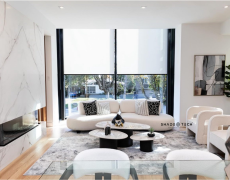
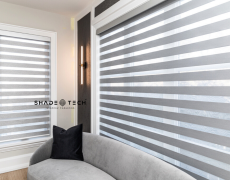
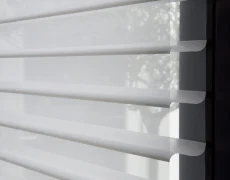
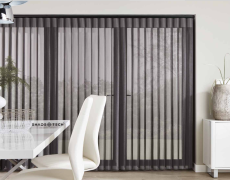
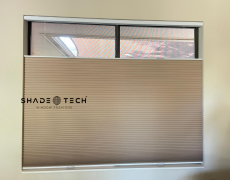

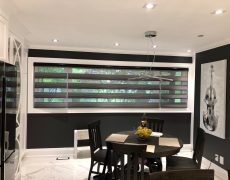
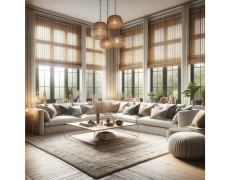
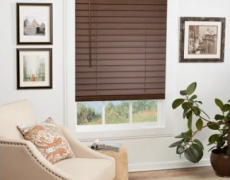
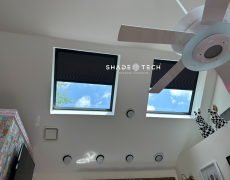


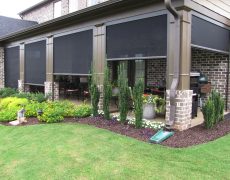

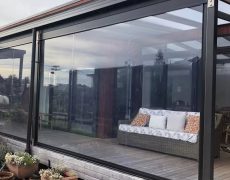



A west-facing waiting room can become uncomfortable long before the afternoon rush begins. A restaurant dining area can lose its atmosphere when direct sun hits tables, and a conference room becomes less usable when glare washes out the display. Commercial automated window shades address these daily problems at the window, using scheduled or sensor-driven movement to manage sunlight, heat, privacy, and presentation without asking staff to adjust every shade manually.
For Dallas-Fort Worth businesses, automation is not just a convenience feature. Intense sun, large glass elevations, and long cooling seasons make window management a meaningful part of occupant comfort and building performance. The right system is custom-built around the space, the glazing, the operating schedule, and the people who use it.
Where Commercial Automated Window Shades Deliver Value
The strongest case for motorized shades is usually a room with changing light conditions and a clear need for consistency. Medical clinics, offices, restaurants, hospitality spaces, and educational environments all benefit, but the priorities differ.
In a clinic, the focus may be patient privacy, glare reduction in exam rooms, and a calm, professional appearance. Automated shades allow staff to prepare rooms quickly and maintain consistent coverage across a full row of windows. Blackout-capable fabrics may be appropriate for imaging, treatment, or presentation areas, while light-filtering materials preserve daylight in lobbies and waiting rooms.
Restaurants and hospitality properties tend to balance guest comfort with the visual value of their windows. Views and daylight are assets, but harsh sun on diners is not. Timed shade scenes can soften light before lunch service, adjust for the low afternoon sun, and return to an open position as evening arrives. This approach helps protect furnishings and flooring from UV exposure while keeping the room visually connected to the outdoors.
For offices, glare control is often the first concern. A shade system can lower automatically on the sun-exposed façade while leaving other windows open, helping employees see monitors and video displays without turning the entire workplace into a dark room. Builders and contractors can also specify automated shading early in a project, coordinating power locations, recessed pockets, control wiring, and finish details before walls are closed.
The System Should Fit the Building, Not the Other Way Around
Commercial window shading is rarely a one-size-fits-all purchase. Window dimensions, ceiling heights, mullion layouts, fabric openness, and mounting conditions all affect the finished result. A system that looks acceptable in a product catalog may not perform well on a two-story glass wall, an angled opening, or a façade exposed to direct Texas afternoon sun.
Custom measurement matters because it determines how well the shade covers the glass, clears handles and trim, and aligns across adjacent openings. It also affects the visual rhythm of the room. In a reception area, restaurant, or executive suite, uneven shade lines and exposed hardware can undermine an otherwise polished interior.
Fabric selection deserves the same level of attention. Openness factor, color, and material construction influence outward visibility, daytime glare, UV filtering, and heat control. A darker solar fabric may provide a clearer exterior view during the day, while a lighter fabric can create a brighter interior appearance. Neither is universally better. The right choice depends on the direction the windows face, the desired atmosphere, and whether privacy or view preservation takes priority.
For spaces requiring full darkness, such as training rooms or certain health care applications, a standard roller shade may not be enough. Side channels, dual-shade systems, or dedicated blackout configurations can reduce light leakage more effectively. That level of performance should be planned early, particularly when there are strict room-use requirements.
Control Options That Make Automation Useful
Automation only adds value when the controls are intuitive and dependable. A professionally designed system can be operated from wall keypads, handheld remotes, mobile devices, voice assistants, or a centralized building control platform. The most useful setup often includes more than one control method, giving employees a simple local option while allowing managers to establish broader schedules.
Scheduled operation is a practical starting point. Shades can lower before the strongest sun reaches the building, rise after peak exposure, or follow a business’s opening and closing hours. This reduces repetitive staff tasks and creates a more consistent experience for visitors.
Sun sensors take the concept further by responding to actual conditions instead of the clock alone. They can be especially valuable on façades where direct sunlight shifts substantially across seasons. However, sensor-based controls need thoughtful programming. If shades move too frequently or respond to minor changes in cloud cover, the system can become distracting. A well-configured installation uses sensible thresholds and timing delays.
Integration also matters for organizations that already use connected technology. Commercial automated window shades can work with platforms such as Alexa, Google Home, Apple HomeKit, and Matter-compatible systems when the selected motors and controls support them. For a restaurant, that may mean one command for opening shades before service. For a conference room, it can mean lowering shades when a presentation scene begins.
Battery-powered motors can be a strong option for finished spaces where running new electrical wiring would be disruptive. Hardwired power is often the better long-term choice for large shade groups, high-use areas, and new construction. It removes battery maintenance from the operating plan and supports a cleaner, more permanent installation. The best choice depends on access, scale, construction phase, and how frequently the shades will move.
Energy, Comfort, and UV Protection Work Together
Automated shades do not replace high-performance glass or a well-designed HVAC system. They are a complementary layer of solar management that can reduce the demand placed on both. By lowering before direct sun heats the interior, shades help moderate hot spots near windows and make perimeter seating more comfortable.
That timing is the key difference between passive window coverings and an active shading strategy. If shades are lowered only after people feel uncomfortable, heat has already entered the space. Scheduled automation helps manage exposure earlier, particularly on east- and west-facing glass where the sun angle can be difficult to control.
UV protection is another practical benefit. Sunlight can fade upholstery, wood finishes, artwork, merchandise, and flooring over time. Solar fabrics filter a significant portion of UV exposure while still allowing useful natural light into the room. The exact protection level varies by fabric and installation, so it is worth matching material performance to the assets being protected.
Why Professional Planning Makes a Difference
The visible shade is only one part of a commercial system. Motor access, power, network reliability, controls, bracket placement, and programming all influence whether the installation works reliably over time. A low-cost product may look appealing at purchase, but replacement, inconsistent control behavior, or difficult service access can create avoidable costs later.
A full-service approach gives property owners, designers, and builders one accountable partner from consultation through installation. At ShadeoTech, local manufacturing in Carrollton supports precise sizing and quality control, while professional installation helps ensure each shade is aligned, programmed, and ready for daily use. Factory-direct production can also provide stronger value than a layered showroom-and-retail model without compromising on materials or finish quality.
For new construction and renovations, involve the shade specialist before electrical and finish decisions are finalized. That is when teams can discuss recessed pockets, concealed wiring, access panels, ceiling clearances, and how the shades will coordinate with lighting, AV, and control systems. Retrofitting is still very achievable, but early planning expands the available options.
A Better Experience Starts at the Glass
The most effective commercial shade installations feel almost invisible to the people using the space. The light is controlled, screens remain visible, guests stay comfortable, and staff are not chasing cords or adjusting windows throughout the day. When the system is custom-built for the architecture and programmed around the business, it becomes a quiet part of how the building works better.
