




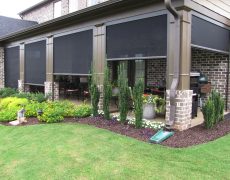

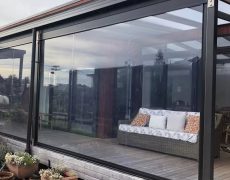



A Dallas patio can be perfect at 9 a.m. and difficult to use by midafternoon. Direct sun, reflected heat, windblown insects, and low-angle glare can quickly turn an outdoor room into space you avoid. An automated screen changes that equation with shade and enclosure that appear when needed, then retract out of sight when the view and open-air feel matter most.
For homeowners with covered patios, outdoor kitchens, pool pavilions, and large sliding-door openings, motorized exterior screens are a practical extension of the home. They add measurable comfort without permanently closing off the architecture. For restaurants, clinics, and commercial properties, they can make outdoor seating and sun-exposed spaces more usable throughout the day.
Why an automated screen performs differently
A fixed screen solves one problem all the time, whether you need it or not. A custom automated system is designed around changing conditions. At the touch of a wall control, remote, app, or voice command, the screen lowers to manage sun, insects, privacy, or wind. When guests arrive, the weather cools, or you want an unobstructed view of the yard, it retracts into a discreet housing.
That flexibility matters in North Texas. West-facing patios often need serious solar control in late afternoon, while east-facing openings may only need coverage for a short period in the morning. An automated system lets the screen respond to how the space is actually used instead of forcing a permanent visual barrier.
The benefit is not simply shade. Exterior screens help stop solar heat before it reaches the glass, patio surface, or seating area. That can reduce the radiant heat people feel near large openings and protect outdoor furnishings from UV exposure. Depending on the mesh selected, the screen can also limit glare while preserving a useful view outward.
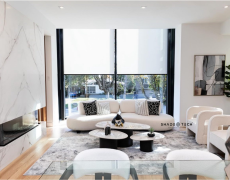
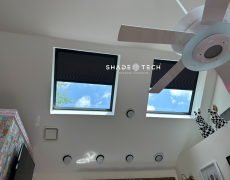
For enclosed rooms with expansive glass, automated solar screens can provide similar advantages. They create a cleaner alternative to manually adjusting multiple shades throughout the day, especially in rooms with high ceilings or hard-to-reach windows.
Choosing the right automated screen system
A well-performing screen begins with the opening, not a catalog selection. Width, height, exposure, surrounding structure, intended use, and wind conditions all affect the right configuration. A system installed on a covered patio has different demands than one spanning a restaurant terrace or a second-story balcony.
The frame and side channels deserve as much attention as the fabric. Guided channels keep the screen aligned as it travels and help maintain a clean perimeter. For exterior installations, professionally engineered tracks and properly secured mounting points are essential. A large screen may look simple when it is down, but its operation depends on accurate measurements, level installation, correct tension, and a motor sized for the application.
Custom manufacturing also gives homeowners more control over visual integration. Housing, tracks, and bottom bars can be selected to complement the trim, stucco, stone, or metal finishes around the opening. The goal is for the system to feel intentional when retracted, not like an accessory added after construction.
Mesh selection determines the experience
Not every screen fabric is intended to do the same job. Openness factor, color, weave, and performance rating influence light transmission, visibility, heat management, and privacy.
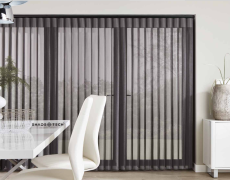
A more open solar mesh generally preserves a brighter view and allows more airflow, making it a strong choice for a covered patio where glare reduction is the primary need. A tighter weave provides greater shade and privacy but can slightly reduce outward visibility and natural light. Insect-focused mesh is designed to make outdoor dining and lounging more comfortable, while privacy fabrics are useful where patios face neighboring homes or busy streets.
Darker fabrics often provide better outward visibility during the day because they reduce reflected light. Lighter colors can better complement a bright exterior palette and may reflect more solar energy. There is no universal best choice. The right material depends on whether the priority is cooling, view preservation, bug control, privacy, or a combination of those needs.
Smart control should fit the way you live
Motorization is valuable because it removes the friction of using the screen. If raising and lowering a large patio screen requires a manual crank or a trip across the room, it is less likely to be used consistently. Automation makes comfort part of the normal rhythm of the day.
A scheduled routine can lower screens before afternoon sun reaches a west-facing patio. A scene labeled “Outdoor Dinner” can bring down insect screens while turning on exterior lighting. A whole-home command can raise the screens before a storm or when leaving the house. With compatible systems, controls can be integrated with Alexa, Google Home, Apple HomeKit, and Matter-enabled smart-home environments.
Smart control does not mean every screen needs a complicated app. For many households, the most useful setup is a dependable wall switch paired with a handheld remote and a few well-chosen schedules. For new construction and major remodels, hardwired power can provide a polished long-term installation. Battery-powered options can work well in locations where running wiring would disrupt finished surfaces, though charging access and usage frequency should be considered.
Safety and weather planning also matter. Wind sensors can be appropriate for certain exterior applications, but they should be selected based on the screen type and site conditions. Screens are not a substitute for structural storm protection, and no motorized system should be treated as maintenance-free simply because it operates automatically.
Precision installation protects the investment
Motorized screens are architectural products with moving parts, electrical components, and fabric under controlled tension. Measurement errors can create uneven gaps, tracking problems, or a housing that looks out of proportion to the opening. This is why a site evaluation should address more than width and height.
An experienced installer checks the mounting surface, available headroom, electrical access, drainage, obstructions, trim details, and the path of the screen as it lowers. On patios, they also consider how furniture, grills, ceiling fans, and doors will interact with the system. A screen that blocks a door swing or interferes with a seating layout is not properly planned, even if it technically fits the opening.
ShadeoTech manufactures custom solutions locally in Carrollton, allowing dimensions, materials, and finish selections to be coordinated before installation. That factory-direct approach is particularly useful for large contemporary openings and nonstandard patio structures where off-the-shelf screens rarely deliver the same fit or appearance.
For builders and contractors, early coordination is even more valuable. Planning the screen housing, electrical connections, backing, and control locations before finishes are complete can produce a cleaner result and reduce retrofit compromises. Restaurant owners and medical clinics can also benefit from a site-specific plan that considers daily operations, guest circulation, and staff access to controls.
Where automated screens make the most sense
The strongest candidates are spaces that are already inviting but limited by predictable conditions. A covered patio with intense afternoon sun, an outdoor kitchen with frequent insect issues, or a living room with floor-to-ceiling glass can all benefit from controlled shading. Screens are also well suited to pool houses, cabanas, pergolas with defined openings, balconies, and commercial terraces.
They are not the right answer for every outdoor challenge. If an area has no overhead structure or suitable side mounting points, it may require additional framing or a different shading product. If the main issue is rain protection, a screen alone will not create a dry outdoor room. And if a patio receives extreme wind exposure, the system must be engineered for those conditions rather than selected only for its appearance.
Maintenance is straightforward but should not be ignored. Keep tracks clear of leaves and debris, clean the fabric with manufacturer-approved methods, and avoid operating the screen when an obstruction is in its path. Periodic professional service can help maintain alignment, fabric tension, and motor performance over the life of the system.
The best automated screen is one you notice only when the sun becomes harsh, the insects arrive, or privacy suddenly matters. At that moment, a well-designed system should respond quickly, look refined, and make the space feel like it was built for the way you want to use it.
