

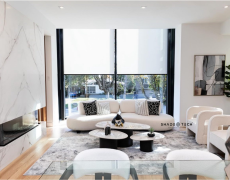

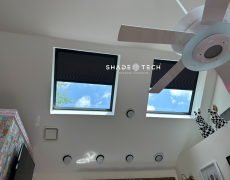


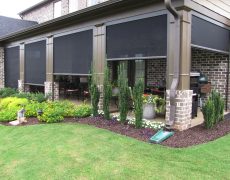

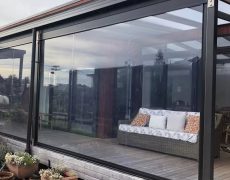



A west-facing living room can look spectacular at 10 a.m. and become the least comfortable room in the house by late afternoon. The issue is not simply bright light. In North Texas, direct sun brings glare across screens, fading on floors and furnishings, rising indoor temperatures, and a constant need to adjust the thermostat. Custom drop shades give homeowners a controlled way to manage those conditions without giving up the clean, open look of large windows.
Also called roll-down or roller shades, drop shades use a fabric panel that lowers from a slim headrail to cover a window opening. The concept is straightforward, but the performance depends heavily on fabric selection, precise sizing, mounting details, and the control system behind it. For Dallas-Fort Worth homes, that difference is significant.
What Drop Shades Do Better Than Basic Window Coverings
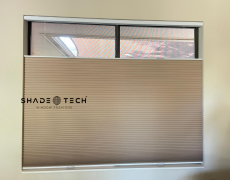
Drop shades are designed for a clean, architectural finish. When raised, the fabric rolls neatly into the headrail, leaving the window view largely unobstructed. When lowered, the shade creates a consistent plane across the glass that softens light and helps reduce solar heat gain.
Unlike off-the-shelf blinds, a custom drop shade can be made to the exact dimensions of the opening, including expansive contemporary windows, unusually tall glass, corner configurations, and doors that require careful clearance. This matters because small gaps and uneven alignment are more visible on large windows, and they can reduce the shade’s ability to control glare and heat.
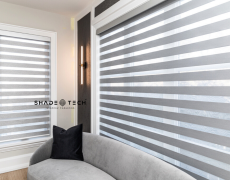
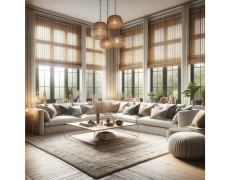
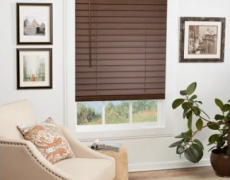
They are particularly effective in rooms where horizontal blind slats feel too busy or where drapery is not a fit for the architecture. A tailored roller shade can complement a modern living space, a refined primary suite, a medical clinic, or a restaurant dining room without adding visual clutter.
Choosing the Right Drop Shades for Each Room
The best fabric is not always the darkest one. A room’s orientation, privacy needs, intended use, and existing lighting all shape the right choice.
Solar screen fabrics for view and daytime glare control
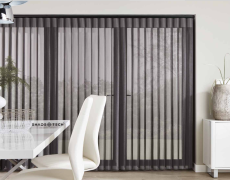
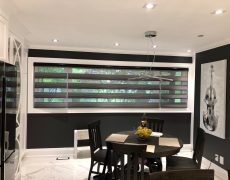
Solar screen fabrics are a strong option for sun-exposed living rooms, offices, breakfast areas, and commercial spaces. Their openness factor determines how much view and daylight remain visible through the material. A lower openness factor blocks more sun and glare, while a higher openness factor preserves more of the outside view.
For a home with a golf course, skyline, or wooded backyard view, solar fabric can make the room far more comfortable while maintaining a connection to the outdoors. The trade-off is nighttime privacy. When the interior is illuminated after dark, people outside may see shapes or silhouettes through many screen fabrics. Pairing a solar shade with drapery, shutters, or a secondary privacy layer can solve that problem.
Light-filtering fabrics for soft, private interiors
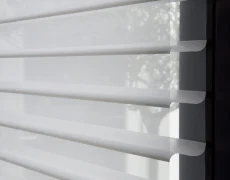
Light-filtering drop shades diffuse daylight rather than offering a clear view through the fabric. They are well suited to street-facing rooms, bathrooms, dining areas, and bedrooms where privacy matters throughout the day.
The result is bright but softened light, with less harsh contrast on walls and screens. Fabric color matters here. White and lighter neutral shades often reflect more heat and create an airy appearance, while darker colors can add depth and improve outward visibility with screen materials. The right choice depends on the room and the view, not a universal rule.
Blackout fabrics for rooms that need real darkness
For bedrooms, media rooms, nurseries, and treatment rooms, blackout fabrics provide the strongest light control. The fabric itself blocks light, but true room darkening also depends on the installation. Standard roller shades may allow narrow light gaps at the sides, particularly if they are mounted inside the window opening.
When darkness is a priority, an outside mount with added overlap can reduce those gaps. Side channels or a dual-shade configuration may be appropriate for more demanding spaces. A professional consultation helps distinguish between “darker” and genuinely functional room-darkening performance.
Why Precision Measurement Changes Performance
A drop shade is only as polished as its fit. Window openings are rarely perfectly square, especially in large homes, older properties, and commercial buildings. Even a modest variation in width can affect the shade’s alignment, edge gaps, and operation.
Professional measurement accounts for the actual opening, trim depth, mounting surface, handle clearance, sill conditions, and the location of nearby doors or architectural features. It also considers where power will be needed for motorized shades and how multiple windows should align across a wall.
This planning is especially valuable for large contemporary window walls. Several independently operated shades can look disjointed if the hem bars stop at different heights or the fabrics do not share the same roll direction. A coordinated custom installation creates the consistent sightlines that make an investment in premium windows feel finished.
Motorized Drop Shades Make Sun Control Automatic
Manual shades work well in many spaces, but automation changes how consistently window coverings are used. The shade is more likely to be lowered during peak sun hours when it can move on a schedule, respond to a scene, or operate with a simple voice command.
Motorized drop shades can be grouped by room, elevation, or purpose. A homeowner might lower all west-facing shades in the afternoon, raise bedroom shades gradually in the morning, or activate a “movie” scene that lowers media-room shades and adjusts lighting. In commercial settings, scheduled shade positions can reduce glare for reception desks, conference rooms, televisions, and patient areas without requiring staff intervention.
For a connected home, compatibility should be considered early. Systems can be configured to work with Alexa, Google Home, Apple HomeKit, and Matter-enabled smart-home ecosystems, depending on the chosen motor and control platform. The goal is not to add another app that no one uses. It is to make shades part of the routines already used to control lighting, climate, and security.
Battery-powered motors can be an excellent fit for completed homes where wiring is difficult to add. Hardwired motors are often preferable for new construction, major renovations, or large shade projects because they eliminate battery maintenance. Solar charging options may also be practical in some applications. Each approach has advantages, and a well-planned installation matches the power solution to the window and the project timeline.
Drop Shades and Energy Comfort in North Texas
Window shades do not replace quality insulation or efficient glass, but they can help manage the solar load that reaches a room through the window. That is particularly valuable on south- and west-facing exposures, where direct sunlight can make certain areas feel noticeably warmer than the rest of the home.
By intercepting sunlight before it spreads across the room, solar and light-filtering fabrics can reduce glare and help moderate perceived heat. This can make a favorite chair, kitchen island, or home office more usable during the hottest part of the day. It can also reduce the pressure to close every blind completely, preserving daylight without accepting the full intensity of Texas sun.
UV protection is another practical benefit. No shade eliminates all fading risk, since light and heat come from several sources, but the right fabric can substantially reduce exposure on hardwood, artwork, rugs, upholstery, and cabinetry. For homes with large window expanses, that protection is part of preserving the interior investment.
Design Details That Keep Shades Looking Custom
The smallest details often separate a tailored installation from a retail shade purchase. Fascia options can conceal the roller for a clean, finished presentation. Fabric-wrapped hem bars can coordinate with the shade material, while metal accents can support a more contemporary look. Mounting inside the opening creates a recessed appearance; outside mounting can make a window feel larger and provide better coverage.
For doors and frequently used windows, the shade must also clear handles and operate without interfering with access. In open-concept homes, fabric selection should be considered across adjoining rooms so the windows feel connected even when each space has different light-control needs.
ShadeoTech manufactures custom shades locally in Carrollton and plans each installation around the home, the glass, and the way the space is used. That factory-direct approach helps keep design, fabrication, installation, and smart-home setup aligned from the beginning rather than handing the project between separate vendors.
A well-specified drop shade does more than cover a window. It gives you control over the sun, privacy, temperature, and atmosphere of the room – often with one quiet command or a schedule that works before the afternoon heat arrives.
