








A west-facing Dallas patio can look exceptional at 10 a.m. and become nearly unusable by late afternoon. That is the real decision behind outdoor screens vs pergolas: are you trying to filter the conditions already affecting your patio, create overhead shade, or solve both problems together? The right answer depends on sun direction, exposure, how you use the space, and how much control you want from one hour to the next.
For North Texas homeowners, restaurants, and commercial properties, shade is not simply a design upgrade. It affects comfort, furniture longevity, glare, privacy, cooling demand, and whether people actually spend time outdoors during the hottest months.
Outdoor Screens vs Pergolas: The Core Difference
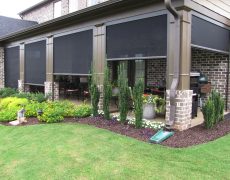
Outdoor screens are vertical shading systems installed along the perimeter of a patio, porch, balcony, or opening. They lower to block low-angle sun, reduce glare, filter UV exposure, add privacy, and help keep insects and windblown debris out of a defined outdoor area. Motorized outdoor screens can disappear into a discreet housing when the view and open-air feeling matter most.
Pergolas are overhead structures. A traditional wood, aluminum, or steel pergola provides architectural definition and partial shade from above. Depending on the design, it may use open slats, fixed louvers, retractable fabric, or a solid roof. Its primary job is to manage overhead light and establish an outdoor room.
That distinction matters because the harshest sun on a Dallas patio is often not directly overhead. In the morning and late afternoon, sunlight enters from the side. A pergola may make midday dining more pleasant while doing little to stop a low western sun from hitting faces, heating seating surfaces, and washing out a television screen. Outdoor screens address that side exposure directly.
When Outdoor Screens Are the Better Investment
Outdoor screens are usually the more targeted solution when the patio already has a roof, covered structure, or substantial overhead shade. They are also highly effective for covered patios where homeowners enjoy the layout but avoid the space because of glare, insects, heat, or lack of privacy.
Better control over low-angle sun
A properly selected screen fabric filters sunlight before it reaches the patio. Openness factor, color, and fabric construction all influence the result. A more open weave preserves visibility and daylight, while a tighter weave provides stronger glare reduction, privacy, and solar control.
For a west- or southwest-facing patio, this can be the difference between a usable outdoor room and one that sits empty from 4 p.m. onward. The screen is lowered when conditions demand it, then raised when the sun moves or the view becomes the priority.
Flexible protection without changing the architecture
A pergola changes the appearance and structure of the patio. That can be exactly the right move for an uncovered yard, but it is more than many homeowners need. Outdoor screens can add comfort to an existing covered patio, pool cabana, balcony, restaurant terrace, or commercial waiting area without building a new overhead structure.
They also support a cleaner visual result than temporary shades, curtains, or freestanding umbrellas. Custom fabrication and professional installation matter here. The housing, side tracks, fabric tension, and mounting approach should suit the opening and hold up under Texas heat, wind, and frequent use.
Smart-home convenience
Motorization is where outdoor screens become especially practical. A screen that requires manual effort tends to stay up when it should be down, or down when the homeowner wants an open view. Motorized systems make adjustment immediate from a wall control, remote, mobile app, or compatible smart-home platform.
For example, screens can lower before the afternoon sun reaches a patio, close during a dinner party for privacy, or raise at night to reopen the yard view. This is useful for homeowners, but it also gives restaurants and hospitality properties a fast way to adapt outdoor seating as conditions change.
When a Pergola Makes More Sense
Pergolas are the stronger choice when the outdoor area lacks overhead cover entirely. If the goal is to create a defined destination for dining, lounging, cooking, or entertaining, a pergola provides the architectural foundation that outdoor screens cannot create on their own.
A well-designed pergola can frame a pool deck, give an outdoor kitchen a sense of place, and make a large backyard feel intentionally organized. For builders and contractors, it may also be part of a larger exterior plan that needs a visible, permanent structure.
Overhead shade and architectural presence
The amount of shade a pergola provides varies dramatically. An open-slat pergola creates dappled light, not full protection. It can look refined and add structure to a landscape, but it may not deliver the heat relief people expect during a Texas summer.
Fixed or adjustable louvers increase control from above. Retractable canopy systems offer another level of flexibility. A solid roof produces the most complete overhead coverage, though it also changes drainage, lighting, ventilation, permitting, and the visual weight of the structure.
Before committing, homeowners should ask a simple question: Is the priority an attractive architectural feature, or is it reliable shade at the exact times the patio is used? Those goals can overlap, but they are not identical.
A larger construction commitment
Pergolas typically require more planning, site preparation, and budget than outdoor screens. Footings, structural attachments, electrical needs, drainage, wind considerations, and local code requirements may all affect the project. Material selection also matters. Wood has warmth but needs maintenance. Aluminum and steel can offer cleaner lines and lower upkeep, depending on the system.
That investment is justified when the patio needs a true overhead structure. It is less efficient when the only issue is a bright sun angle on an otherwise well-covered porch.
The Best Answer Is Often Both
For many Dallas-Fort Worth properties, a pergola and motorized outdoor screens solve different parts of the same comfort problem. The pergola handles top-down sunlight and defines the outdoor room. The screens handle side sun, glare, insects, privacy, and weather shifts around the perimeter.
This combination is especially effective for outdoor kitchens, covered living rooms, poolside entertaining zones, and restaurant patios. It provides an open-air experience when the screens are raised, then a more protected environment when they are lowered. Rather than enclosing the space permanently, it gives the owner control over how open or shielded the patio feels.
The trade-off is cost and coordination. Screens should be planned with the pergola structure from the beginning whenever possible. Posts need the right dimensions and placement, mounting surfaces must be structurally sound, and electrical access should be considered before finishes are complete. Retrofitting is often possible, but early planning produces a cleaner installation.
How to Choose for Your Property
Start with the sun, not the product. Watch the patio at the hours it is most likely to be used. Note where sunlight enters, which seats receive direct glare, and whether overhead exposure or side exposure is causing the problem. A patio that faces west may need a vertical screen strategy even if it already has a beautiful pergola.
Next, consider the desired use. A family wanting a more comfortable covered porch may benefit most from motorized screens. A homeowner building an outdoor kitchen in an uncovered yard may need a pergola first. A medical clinic with a shaded entry or a restaurant with patio dining may need perimeter screens that improve comfort and privacy while maintaining a polished exterior appearance.
Then evaluate the level of control you expect. Fixed pergola slats offer a consistent look but limited adjustment. Motorized screens can respond to changing sun and activity. Adjustable louvers and screens provide the most flexibility, but they also require thoughtful design, quality components, and professional setup.
Finally, do not treat fabric and installation details as secondary decisions. Outdoor screen performance depends on the selected mesh, the fit of the system, motor reliability, track design, and the way the opening is measured. ShadeoTech manufactures and installs custom outdoor screen systems locally, allowing the product to be tailored to real opening dimensions and North Texas exposure rather than treated as an off-the-shelf accessory.
A More Comfortable Patio Starts With the Right Problem
If your patio needs a roofline, structure, and overhead shade, a pergola can transform the entire yard. If it already has cover but still suffers from afternoon sun, glare, insects, or privacy concerns, outdoor screens are often the more precise solution. When a space needs both, planning them together creates an outdoor area that looks considered and performs well long after the first warm weekend of the year.
The most useful next step is to stand in the space at its least comfortable hour. The direction of the light, the heat on the furniture, and the view you want to preserve will make the right choice much clearer.
