

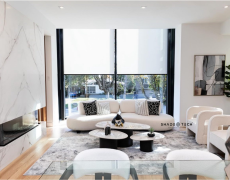







A west-facing living room in Dallas can be bright enough to feel inviting at 9 a.m. and uncomfortably hot by midafternoon. Closing traditional blinds solves the glare, but it can also erase the view and make a carefully designed room feel shut off from the outdoors. Sheer horizontal shades are designed for that middle ground: filtered daylight, daytime visibility, and more intentional control over heat and privacy.
They are especially well suited to North Texas homes with expansive glass, open floor plans, tall ceilings, and sun-exposed rooms. Rather than treating window coverings as a finishing detail, a properly specified sheer shade system becomes part of how the home manages light throughout the day.
What Are Sheer Horizontal Shades?
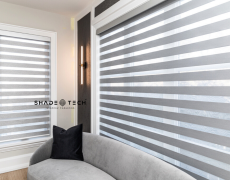
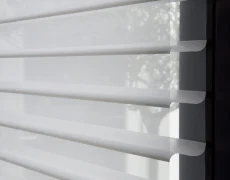
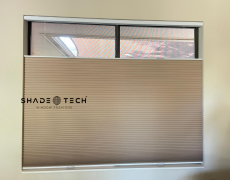
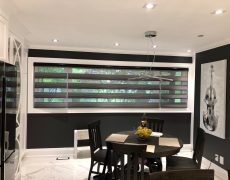
Sheer horizontal shades combine soft fabric vanes with translucent sheer panels. When the vanes are open, light enters through the sheer fabric and the outdoors remains visible. When the vanes rotate closed, they provide a more private, more shaded setting. The result is a lighter architectural look than conventional blinds, with greater day-to-day control than a fixed roller shade.
The horizontal vanes are suspended between sheer fabric layers, creating a clean, layered appearance at the window. Depending on the selected material and opacity, they can gently diffuse sunlight or provide stronger light reduction for media rooms, bedrooms, and highly exposed spaces.
That distinction matters. These are not blackout shades by default, and they are not intended to create a fully opaque barrier unless paired with another treatment. Their central advantage is adjustable daylight management: a way to reduce glare and soften harsh sun without giving up the sense of openness that large windows provide.
Why They Work So Well in North Texas
Dallas-Fort Worth sunlight is a design consideration, not just a pleasant feature. Intense afternoon exposure can heat rooms quickly, fade furnishings, create screen glare, and make certain areas of a home difficult to use. Large contemporary windows amplify those effects.
Sheer horizontal shades let homeowners direct and diffuse incoming light instead of simply raising or lowering a covering. The vanes can be positioned to reduce direct sun while preserving natural illumination. This is useful in kitchens, living rooms, home offices, and dining areas where a fully darkened window would be impractical during the day.
The sheer fabric also softens the hard contrast between bright exterior light and interior finishes. Wood floors, artwork, upholstery, and cabinetry benefit from reduced UV exposure, although no sheer product can eliminate every form of UV transmission. For rooms with valuable furnishings or constant direct sun, material selection and shade position should be part of a broader protection strategy.
Energy performance depends on glass type, window orientation, fabric choice, and how the shade is operated. A custom shade will not replace proper insulation or high-performance windows, but reducing direct solar gain can make sun-facing rooms more comfortable and lessen the demand placed on HVAC systems.
Light Control Without a Heavy Look
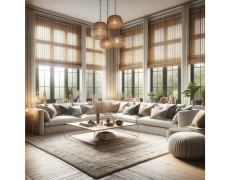
The design appeal of sheer horizontal shades is their ability to look refined without appearing visually dense. They work naturally with modern interiors, but they are not limited to contemporary homes. In transitional spaces, the soft fabric layers can bring warmth to clean-lined millwork, stone, and neutral palettes.
When open, the shade presents a filtered view rather than a wall of fabric. When adjusted, the horizontal vanes add structure and depth. This makes the product a strong choice for rooms where the view is part of the architecture, including homes facing landscaped backyards, pools, golf courses, or city skylines.
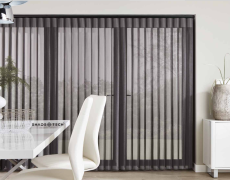
Color and fabric openness deserve more attention than they often receive. Lighter fabrics generally preserve a brighter feel and can reflect more light, while darker fabrics may provide stronger outward visibility during the day and a more defined visual frame. The best choice depends on the room’s orientation, finish palette, and the level of glare control required.
Privacy Has Limits After Dark
A common mistake is assuming sheer material provides the same privacy at night that it offers during the day. During daylight hours, exterior brightness helps limit the view inward. At night, when interior lights are on and the outdoors is dark, that relationship reverses.
Closing the horizontal vanes improves privacy substantially, but bedrooms, street-facing rooms, and bathrooms may need a second layer for complete nighttime coverage. Drapery panels, side channels, blackout rollers, or dedicated room-darkening shades can be paired with sheer horizontals when privacy requirements are non-negotiable.
This is not a product weakness so much as a specification decision. A living room overlooking a private backyard has different needs than a ground-floor bedroom facing the street. A professional consultation should account for where people stand outside, the angle of nearby homes, evening lighting, and how each room is actually used.
Motorization Makes the Product More Useful
Manual sheer horizontal shades offer effective light control, but motorization makes that control practical on a daily schedule. This is particularly valuable for tall windows, hard-to-reach glass, and wide wall-to-wall openings where individual adjustment would otherwise be inconvenient.
With motorized operation, homeowners can raise, lower, and tilt shades from a handheld remote, wall control, mobile app, or voice assistant. Smart-home integration can also support schedules based on time of day. A west-facing family room might lower before peak afternoon sun, then open again in the evening when heat and glare subside.
For homes using Alexa, Google Home, Apple HomeKit, or Matter-enabled systems, compatibility should be confirmed during planning rather than after installation. The quality of a smart shade experience depends on more than the motor. It also depends on power planning, network reliability, window grouping, control preferences, and thoughtful programming.
Battery-powered motors can be a practical option for certain windows, especially in finished spaces where wiring is difficult. Hardwired power is often preferable for large installations, frequent operation, or new construction because it reduces future maintenance and supports a cleaner long-term system. The right solution depends on access, window count, and the level of automation expected.
Custom Measurement Is Where Performance Starts
Sheer horizontal shades need precise sizing to hang level, operate correctly, and maintain consistent gaps at the edges. Small measurement errors are more visible on broad windows and in rooms with strong daylight. Uneven framing, shallow mounting depth, architectural trim, and handles can all affect the final specification.
A custom project begins with evaluating the window itself, not selecting fabric from a sample book. The installer should verify mounting conditions, vane clearance, control placement, power access, and whether the shade needs to sit inside the opening or above it. For large openings, the team must also determine where multiple shades will meet and how those divisions will look from inside and outside.
ShadeoTech manufactures locally in Carrollton and coordinates measurement, fabrication, professional installation, and smart-home setup as one process. That level of control is especially valuable when a project includes oversized windows, automated groups, or multiple rooms with different exposure conditions.
Where Sheer Horizontal Shades Fit Best
These shades are a natural choice for main living areas, breakfast rooms, offices, and formal spaces where daylight and visual openness matter. They also perform well in medical clinics, restaurants, and hospitality settings that need a polished appearance while reducing glare at seating areas, reception desks, and work surfaces.
They may be less suitable as the only treatment in nurseries, media rooms, or bedrooms that require full darkness. In those applications, layered window treatments usually deliver a better result. The same is true for windows with very limited mounting depth or exterior conditions that call for specialized solar screens instead.
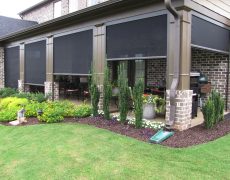
The strongest installations treat each room independently while keeping the entire home visually coordinated. A homeowner may use sheer horizontal shades in public spaces, room-darkening products in bedrooms, and exterior screens on a sun-exposed patio. That is a more considered approach than forcing one product to solve every window problem.
A Better Way to Plan Your Shade System
Before choosing fabric, consider when the room gets direct sun, what must remain visible, and what happens after dark. Then consider operation. If shades will be adjusted repeatedly to manage glare, automation is not an accessory. It is part of making the system perform as intended.
A custom sheer horizontal shade installation should feel quiet, aligned, and easy to use. When fabric, vane size, mounting method, and controls are selected for the actual architecture, the windows remain an asset throughout the hottest and brightest parts of the day – not something the room has to work around.
