

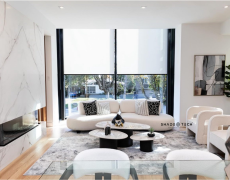
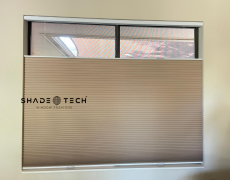

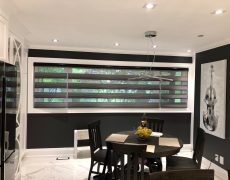
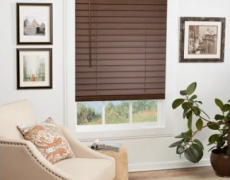
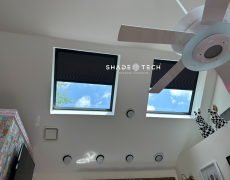






A wall of west-facing glass can turn a beautiful Dallas living room into the hottest room in the house by midafternoon. Manual shades help, but only when someone remembers to adjust them at the right moment. Motorized shades change that equation: they respond on schedule, follow scenes, and give homeowners precise control over glare, privacy, and solar heat gain.
This home automation shade guide explains what makes a smart shade system worth the investment, where automation delivers the greatest value, and what to plan before selecting fabrics, motors, and controls. The right system should feel quiet, purposeful, and dependable – not like another device that requires attention.
Start With the Room, Not the Remote
The strongest shade plans begin with how each room is used. A media room has different requirements than a breakfast nook, a primary bedroom, or a home office with a full day of video calls. Automation should support those routines while protecting the architecture and interior design.
In North Texas, sun exposure is usually the first technical consideration. South- and west-facing windows can introduce intense glare and significant heat, particularly in homes with tall ceilings, expansive glass, and open floor plans. Solar screen fabrics reduce glare while preserving an outward view. Blackout materials are better for bedrooms, nurseries, and media spaces where privacy and darkness matter more than visibility.
Think through the moments when you want shades to move without intervention. Morning privacy, afternoon heat control, movie time, bedtime, and vacation mode are practical triggers. Once those moments are clear, the motor, fabric opacity, and control method become much easier to specify.
Choosing the Right Motorized Shade System
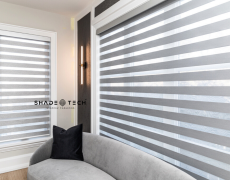
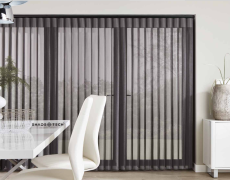
Smart shades are not one product category. They can be roller shades, dual shades, Roman shades, cellular shades, drapery tracks, exterior screens, or other custom window treatments fitted with compatible motors and controls. The best choice depends on the window, the desired look, and the performance needed from the treatment.
Battery, hardwired, or solar-powered motors
Battery-powered motors are often a strong fit for finished homes because installation can be completed with minimal wall disruption. They provide a clean appearance and are especially practical for standard-size windows that are reasonably accessible for periodic charging or battery replacement.
Hardwired motors are typically the preferred choice for new construction, major renovations, very tall windows, and large shade systems. They eliminate battery maintenance and support a refined, permanent installation. Planning power during framing is far less costly than adding it after drywall and paint are complete, so builders and homeowners should address motor locations early.
Solar-powered options can extend battery life in suitable sun-exposed locations. They are useful in select applications, but they are not a substitute for evaluating window orientation, shade use, and access. A well-designed system uses the power method that fits the architecture rather than forcing one motor type throughout the home.
Fabric openness and light control
For roller shades, openness factor determines how much light and view pass through the fabric. A lower openness percentage provides more glare reduction and privacy, while a higher openness percentage preserves more of the view. Neither is universally better.
A 1% to 3% solar fabric can be effective in highly exposed rooms where heat and glare are priorities. A 5% fabric often offers a balanced view for everyday living spaces. Bedrooms and media rooms may need blackout shades, often paired with side channels, drapery, or dual-shade systems when room-darkening performance is the goal.
Fabric color matters, too. Darker solar fabrics generally provide clearer daytime views outward, while lighter fabrics can better reflect solar energy. The ideal selection balances thermal performance with the look of the room, especially when shades will cover wide contemporary window walls.
Smart-Home Compatibility That Actually Works
Voice control is convenient, but reliable automation is more valuable. A system should work through dedicated wall controls and an app even if a home network, voice assistant, or third-party platform needs attention. Physical control remains essential for guests, children, staff, and anyone who wants to operate a shade without opening an app.
Look for motors and hubs that integrate with the smart-home platform already in use. Alexa, Google Home, Apple HomeKit, and Matter-enabled systems can support shade control, but the capabilities vary by product and integration method. Some setups allow basic open-and-close commands; others support room scenes, timed schedules, position control, and coordinated behavior with lighting, thermostats, and security systems.
For example, a “Good Morning” scene can raise bedroom shades gradually, open kitchen shades to a selected position, and turn on lights at a soft level. An “Away” scene can lower shades to reduce interior visibility and limit afternoon solar gain. In a commercial setting, scheduled shades can provide consistent comfort for staff and customers without relying on someone to adjust every window.
A professional smart-home setup should verify commands, limits, scenes, and signal reliability before the project is considered complete. This is especially important in larger Dallas homes, where construction materials, distance, and multiple wireless devices can affect performance.
The Home Automation Shade Guide to Placement and Scheduling
Automation produces the best results when shades move in response to a real purpose. Schedules should be tailored to orientation and lifestyle, not copied from a generic template.
West-facing living areas may benefit from lowering solar shades before peak afternoon exposure, then raising them later to restore the view. East-facing bedroom shades can open gradually around wake-up time rather than rising fully at the first early sunrise. Street-facing rooms can close automatically at dusk for privacy, while patio-facing shades may remain open until the family is ready for the evening.
Sunrise and sunset schedules are useful, but they have limits. Seasonal changes, neighboring buildings, mature trees, and overhangs affect when direct light reaches a room. For premium projects, automation can be adjusted after the homeowner has lived with the system. A few small schedule refinements often make a major difference in comfort.
In rooms with demanding needs, consider dual treatments. A solar shade can remain down during the day to manage glare and UV exposure, while a blackout shade or drapery layer provides nighttime privacy. This approach costs more than a single treatment, but it delivers far greater control in bedrooms, media rooms, and highly exposed spaces.
Why Measurement and Installation Matter More Than Expected
A smart shade can have an excellent motor and still disappoint if the measurements, mounting conditions, or fabric selection are wrong. Large windows magnify small errors. An uneven ceiling line, out-of-square opening, deep trim, recessed pockets, and mullion placement all influence how a shade should be fabricated and installed.
Precise measurement also determines whether light gaps will be acceptable, whether mounting hardware is properly supported, and whether a shade will clear handles, cranks, or architectural details. For hardwired systems, installers must coordinate with electricians, builders, and low-voltage teams so power exits in the correct location and remains concealed.
This is where a local, vertically integrated provider has a meaningful advantage. ShadeoTech measures, manufactures, installs, and configures smart shades from its Carrollton facility, which helps keep design intent, fabrication tolerances, and automation setup aligned from the first consultation through final testing.
Smart Shades for Patios, Clinics, Restaurants, and Offices
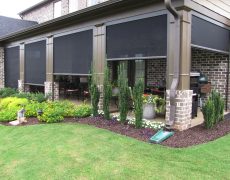
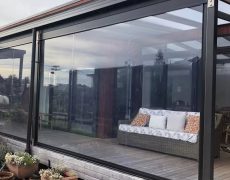
Automation is not limited to residential interiors. Exterior motorized screens can make covered patios more usable during bright afternoons, reduce glare, and help manage insects and wind-blown debris when conditions allow. Exterior systems require durable materials, appropriate mounting, and thoughtful planning for wind exposure, so they should be specified differently from interior shades.
Medical clinics often use automated shades to maintain privacy and reduce glare in treatment rooms and waiting areas. Restaurants can coordinate shades across a dining room to improve guest comfort as the sun shifts. Offices benefit from consistent screen glare reduction and a polished appearance without asking employees to manage window coverings throughout the day.
For these environments, centralized control and dependable scheduling are usually more important than novelty features. The system should make daily operation simpler for staff, not add another task to the opening or closing routine.
Plan for the Details That Protect Long-Term Value
Before approving a motorized shade project, ask how the system will be powered, operated, maintained, and serviced. Confirm that fabrics are appropriate for UV exposure, that motors can handle the shade size, and that controls are accessible if the smart-home platform changes over time. Premium automation should not trap a homeowner in a confusing setup.
Also consider the finish details. Fascias, cassette valances, recessed pockets, bottom bars, and side channels shape the final appearance as much as the fabric itself. In a design-forward home, these components should be selected as part of the window treatment, not treated as afterthoughts.
The best automated shades disappear into the rhythm of the home: lowering before glare reaches the sofa, protecting floors and furnishings from harsh UV, and closing quietly when privacy is wanted. When every element is planned around the room, the climate, and the way the space is actually used, convenience becomes a lasting part of the home rather than a feature you have to think about.
