

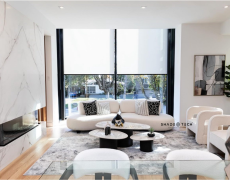
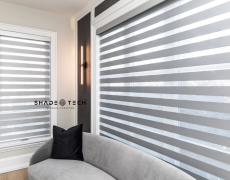
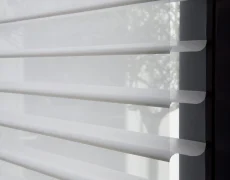
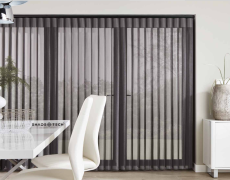







A west-facing living room in Dallas can feel noticeably different by midafternoon, even when the thermostat is set correctly. The issue is often solar heat pouring through large expanses of glass, followed by glare, fading floors, and an HVAC system working harder than it should. That is why energy efficient window treatment trends are moving beyond decorative drapery and toward custom systems that actively manage sunlight, insulation, privacy, and daily comfort.
For North Texas homeowners, the best choices are rarely one-size-fits-all. Window orientation, glass type, ceiling height, room use, and smart-home preferences all affect the right solution. The strongest trend is not a single fabric or product category. It is a more deliberate approach: specify shading that performs for the home, then automate it so that performance happens consistently.
Energy Efficient Window Treatment Trends for Dallas Homes
Energy-conscious window coverings are increasingly designed as part of the home’s overall comfort system. Homeowners are pairing high-performance fabrics with precise custom fits, insulated shade constructions, and automation that responds to the time of day. The result is a cleaner look than bulky traditional treatments, with far more practical control over heat and light.
This matters most in homes with expansive contemporary windows, tall foyers, media rooms, and glass doors facing south or west. A well-selected treatment can reduce direct solar exposure before it heats furniture, flooring, and interior air. It cannot replace proper insulation or efficient glazing, but it can reduce the load those systems must manage during the hottest, brightest parts of the day.
Solar shades are becoming a design standard
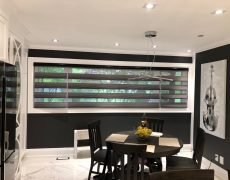
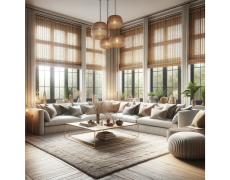
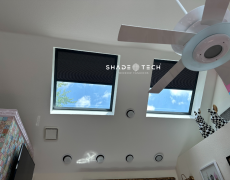
Solar roller shades remain one of the most effective answers for bright Dallas rooms because they control glare and UV exposure while preserving the view. Their performance comes from openness factor, the percentage of fabric that allows light and a view through the shade. A lower openness factor provides greater privacy and solar control; a higher openness factor keeps the outside view clearer and brings in more daylight.
There is a trade-off. A very open fabric may look nearly invisible during the day, but it will not deliver the same privacy or heat reduction as a tighter weave. A darker fabric can offer a crisper outward view in daylight, while lighter fabrics often better suit airy interior palettes. The right choice depends on whether the room’s priority is view preservation, glare reduction, daytime privacy, or maximum solar management.
Today’s solar fabrics also offer more refined textures and neutral color options than earlier commercial-looking materials. This makes them a practical fit for living rooms and kitchens, not just offices or media spaces. For clinics, restaurants, and hospitality interiors, they provide a polished, low-maintenance way to keep guests comfortable near sun-exposed glass without closing off the space.
Cellular shades add insulation where it counts
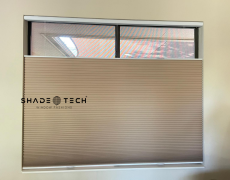
Cellular shades are gaining renewed attention for rooms where insulating value is the primary goal. Their honeycomb-shaped pockets trap air, creating a buffer between the glass and the interior. This can help reduce heat transfer in both summer and winter, particularly on windows that receive intense direct sun or feel cold near the glass during cooler weather.
The best-performing cellular shades are custom measured and installed close to the window opening. Small gaps around an off-the-shelf shade reduce its ability to limit air movement and light leakage. Larger cell sizes, double-cell designs, and side-track options can increase performance, although they may create a more substantial visual profile than a minimalist roller shade.
Cellular shades are especially useful in bedrooms, nurseries, upstairs rooms, and spaces with older or less efficient windows. They are also a smart consideration for homeowners who want a soft, tailored appearance without adding layered drapery. For large sliding doors or unusually shaped windows, however, another product type may be more practical.
Automated schedules are replacing manual habits
The most consequential trend is motorization with schedules. A high-performance shade only helps when it is lowered at the right time. In real life, homeowners leave early, travel, get distracted, or simply do not want to adjust shades throughout the day. Automated systems remove that gap between intention and performance.
A motorized shade can lower before direct afternoon sun reaches a west-facing room, raise in the morning for natural light, and close at night for privacy. It can be controlled by wall keypad, handheld remote, app, voice command, or integrated smart-home routines. Compatibility with Alexa, Google Home, Apple HomeKit, and Matter-enabled systems gives homeowners the flexibility to incorporate shades into broader lighting, climate, and security scenes.
Automation is not just about convenience. It creates repeatable solar management. For example, a “leaving home” routine can lower shades on sun-facing elevations, while an evening routine can close bedroom and street-facing shades automatically. The schedule should be tailored to the home’s orientation and lifestyle rather than set once and forgotten. Seasonal adjustments are often worthwhile because the sun’s angle changes substantially through the year.
Exterior screens are moving into the energy conversation
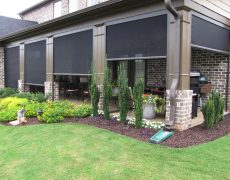
Interior treatments manage solar energy after it reaches the window. Exterior screens stop a significant amount of direct sun before it reaches the glass, which makes them especially valuable for patios, outdoor kitchens, covered living areas, and doors with strong western exposure.
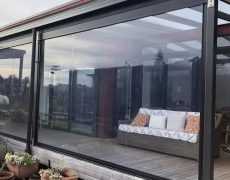
Motorized exterior screens also improve the usability of outdoor spaces by reducing glare and adding privacy. Depending on the screen fabric, they can help limit insects and wind-blown debris while preserving airflow. Their effectiveness depends on the structure, fabric selection, and installation details. An exposed patio may need a different screen system than a recessed opening or a wide span beneath a covered roof.
For builders and contractors, planning exterior screen pockets, power locations, and control wiring early can produce a far cleaner final installation. Retrofitting remains possible, but early coordination gives more options for concealed hardware and integrated controls.
Why Custom Fit Is Part of Energy Performance
The fabric or shade style gets most of the attention, but measurement and installation determine how well a treatment actually performs. Light gaps, uneven mounting, shallow window recesses, and poorly placed brackets can undermine privacy, blackout expectations, and heat control. Large windows also require the right tube size, fabric weight, and motor capacity to operate smoothly over time.
Custom manufacturing allows the treatment to be matched to the actual opening rather than a nominal retail size. It also makes it possible to coordinate multiple shades across a wall of windows, align hems precisely, and select hardware that supports the design without distracting from it. This level of detail is particularly important in modern homes where large glass walls make every inconsistency visible.
At ShadeoTech, local manufacturing and professional installation allow the design, measurement, fabrication, and smart-home setup to work as one process. That reduces the handoffs that often create problems with custom window projects, especially when a system includes motorization, oversized openings, or exterior shading.
Choosing the Right Trend for Each Room
A single home may need several approaches. Solar shades often make sense in view-driven living areas. Insulating cellular shades can be stronger candidates for bedrooms and temperature-sensitive rooms. Blackout-lined options may be preferable in media rooms, while exterior screens can transform a sun-drenched patio into a space that remains usable through more of the year.
Color and fabric selection should follow the room’s performance needs, not just its paint color. A white or light neutral shade may visually disappear against trim, but a denser or darker fabric may manage glare better in certain applications. Sample materials should be viewed against the actual glass at different times of day, especially on west-facing windows. What looks subtle under showroom lighting can behave very differently under a Texas afternoon sun.
The most useful question is not, “Which window treatment saves the most energy?” It is, “What problem does this room need solved?” Heat gain, fading, privacy, glare, sleep quality, and view preservation can all point to different specifications.
A thoughtfully designed shading plan gives each room the control it needs without making the house feel closed in. Start with the windows that create the most discomfort, then build a system that balances solar performance, architecture, and everyday convenience. When the right treatments are measured precisely and programmed around how the home is actually used, comfort becomes something the house handles quietly in the background.
