

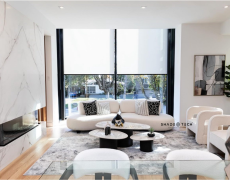
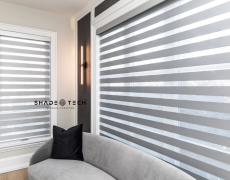

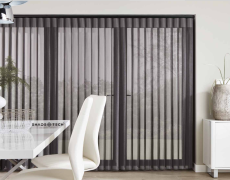
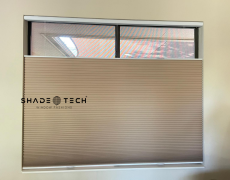







A warm white wall can look flat by 3 p.m. in a Dallas home with west-facing glass. Add a tailored flax shade, a walnut-toned floor, or an olive accent, and the room suddenly has depth without losing its clean, modern feel. Earthy tones for a rich, grounded design work especially well in North Texas because they soften intense sunlight while creating a palette that feels intentional in every season.
The goal is not to make every surface brown or beige. A successful earthy interior balances warm neutrals, natural materials, and controlled daylight. Custom window treatments are often the element that makes the palette hold together, because they occupy a large visual plane while determining how the room feels from morning through evening.
Why Earthy Tones Create a Grounded Interior
Earthy colors draw from materials people recognize instinctively: clay, sand, limestone, bark, moss, tobacco, charcoal, and sun-washed linen. Their appeal is less about a trend than a sense of permanence. They give contemporary architecture, expansive windows, and open floor plans a visual anchor.
In a home with high ceilings or large banks of glass, that anchor matters. Cool whites and gray finishes can feel stark when direct Texas sun intensifies them. Warmer neutrals absorb some of that visual harshness. They make stone, wood, black metal, and textured upholstery feel connected rather than separate.
Earthy does not have to mean dark. Pale oat, mushroom, putty, greige, and soft taupe can keep a room light and architectural. Deeper tones such as rust, espresso, olive, or charcoal are most effective when used with purpose: on a feature wall, a rug, cabinetry, a shade fabric, or a single substantial furnishing.
Build Around Undertones, Not Color Names
A fabric labeled “linen” may lean yellow, pink, gray, or green. So can a paint described as beige. This is where many otherwise polished rooms lose cohesion. A yellow-beige roller shade next to a pink-beige wall can make both choices look accidental, particularly in the shifting daylight of a window-heavy room.
Start by identifying the dominant fixed materials. Look at flooring, countertops, fireplace stone, cabinets, and trim. Then choose window-covering fabrics with compatible undertones. A creamy travertine fireplace may suit warm ivory or flax. Cooler concrete floors often look better with mushroom, stone, or a restrained gray-taupe. If your home uses black-framed windows, charcoal or deep bronze accents can provide definition without competing with the frames.
Use Window Treatments to Set the Palette
Window treatments are not an afterthought in a grounded design. On a large opening, they function almost like an upholstered wall. Their color, texture, openness, and hardware all influence how the room reads.
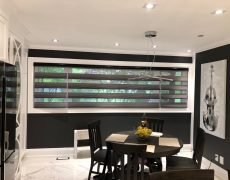
For modern Dallas-area homes, woven roller shades in sand, flax, pebble, or soft charcoal create a tailored foundation. They preserve the clean geometry of contemporary windows while adding the texture that painted drywall lacks. In living areas, a solar shade can filter glare and UV exposure without fully closing off the view. The openness factor matters: lower openness provides greater privacy and solar control, while higher openness maintains a clearer exterior view but allows more light through.
Layered designs can add more flexibility. A solar shade handles daytime glare and heat, while drapery panels or a room-darkening shade provide evening privacy and a softer finish. This approach is particularly useful in bedrooms, media rooms, and street-facing spaces where the requirements change throughout the day.
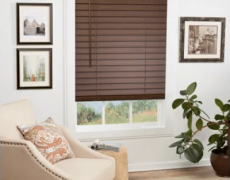
Wood shutters are another strong fit for earthy interiors. Their structure works well with craftsman, transitional, and warm contemporary homes, especially when the finish echoes cabinetry or flooring. They offer excellent light control, but their visual weight is more pronounced than a roller shade. In minimalist spaces with very large glass walls, a low-profile shade may better preserve the architecture.
Choose Texture Before Adding More Color
A richly grounded room needs variation, not clutter. Texture is the most reliable way to create that variation. Consider the difference between smooth white vinyl blinds and a woven shade with subtle yarn variation. Both can manage light, but only one contributes to the room’s material story.
Natural-looking textiles, woven woods, matte finishes, and layered fabrics work well because they catch light differently across the day. They also disguise minor dust and daily wear better than bright, flat, high-contrast fabrics. For kitchens and bathrooms, however, performance may take priority over a more delicate woven material. Moisture-resistant shades in a warm neutral can maintain the palette while meeting the demands of the space.
Earthy Tones for a Rich, Grounded Design in Every Room
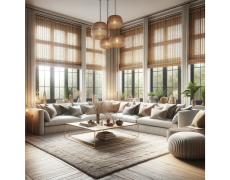
In a living room, begin with a calm base such as warm white, sand, or soft taupe. Add depth through a walnut console, leather seating, olive cushions, or a terracotta-toned rug. Choose shades that are close to the wall color for a quiet, integrated appearance, or one shade deeper for gentle contrast.
Bedrooms benefit from softer, lower-contrast combinations. Oatmeal, clay, muted sage, and mushroom create a restful setting, while room-darkening shades support better sleep and privacy. Motorization is especially practical here. A scheduled shade can rise gradually in the morning and lower before bedtime without leaving the bed or handling cords.
For kitchens, a warm neutral shade can offset polished stone and painted cabinets. If the room gets strong afternoon exposure, solar fabrics help control glare on counters and screens while reducing UV stress on flooring and furnishings. In a breakfast nook, a slightly textured fabric can make the room feel more finished than a basic blind without making it overly formal.
Commercial interiors can use the same principles. Medical clinics often benefit from warm taupes, soft wood tones, and filtered daylight that feels professional without becoming clinical. Restaurants can use bronze, tobacco, and deep olive shading elements to establish atmosphere while protecting guests from low-angle sun. Offices with large glass facades gain comfort and visual consistency when shade fabrics coordinate with flooring, millwork, and furniture rather than appearing as an unrelated utility product.
Pair Warm Design With Smart Performance
A grounded palette should still perform under North Texas conditions. Direct sunlight can fade textiles, increase cooling demand, and make a beautiful room uncomfortable at the hours when people want to use it. The right shade fabric and automation plan address those concerns without forcing a home into darkness.
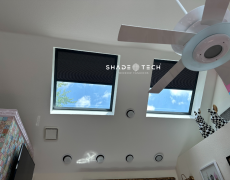
Motorized shades make light management more consistent. A homeowner can set west-facing shades to lower during peak afternoon sun, raise when glare passes, and coordinate routines with Alexa, Google Home, Apple HomeKit, or Matter-enabled systems. This is not simply a convenience feature. It helps protect furniture, flooring, art, and interior finishes from repeated UV exposure while reducing the heat load entering the room.
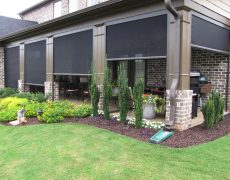
The right solution depends on the window and the lifestyle. A view-facing living room may need a solar screen fabric. A nursery may need room-darkening coverage. A patio opening may call for an exterior screen that cuts heat and glare before it reaches the glass. Design and performance should be specified together, not treated as separate decisions.
Keep the Finish Consistent
The smallest details can preserve the premium look of an earthy scheme. Use coordinated fascia, hem bars, and hardware finishes where visible. Keep shade alignment precise across adjacent windows. For wide contemporary openings, professionally measured and installed systems prevent uneven gaps, inconsistent heights, and light leaks that distract from an otherwise composed space.
ShadeoTech manufactures and installs custom treatments locally in Texas, allowing fabric, control options, measurements, and installation details to be planned as one complete solution. That level of coordination is valuable when a room includes unusually tall glass, angled openings, motorized groupings, or a palette that needs exact undertone matching.
Earthy design succeeds when it feels collected, calm, and useful. Let the materials carry warmth, let the window treatments manage the sun, and give the room a lighting plan that supports the way you actually live in it.
