

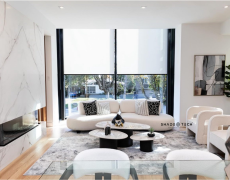
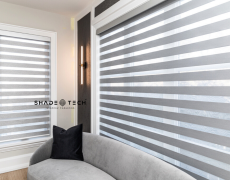
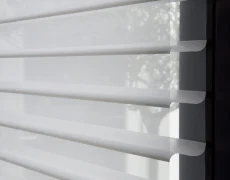
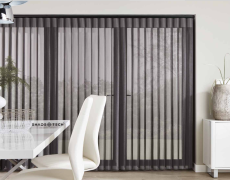

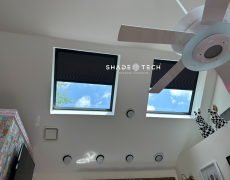


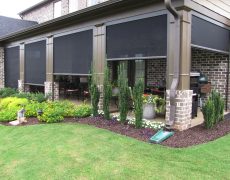

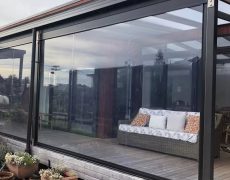



A wall of west-facing glass can make a Dallas living room beautiful at 9 a.m. and difficult to use by 4 p.m. Dallas blind installation is not simply a finishing detail for a room. When planned correctly, it is a tailored system for controlling glare, protecting furnishings, reducing heat gain, and making large or hard-to-reach windows easier to live with.
For North Texas homeowners, builders, clinics, restaurants, and commercial property owners, the difference comes down to customization and execution. Off-the-shelf blinds may fit a window opening, but a professionally measured and installed system is designed around the window, the room’s sun exposure, the desired privacy level, and the way people use the space every day.
Why Dallas Blind Installation Requires a Custom Approach
Dallas-Fort Worth homes frequently combine expansive windows, open floor plans, tall ceilings, and strong southern or western exposure. Those features create impressive interiors, but they also introduce real performance challenges. Afternoon glare can wash out a television or computer screen. UV exposure can fade hardwood, artwork, upholstery, and flooring. Solar heat can leave certain rooms noticeably warmer than the rest of the home.
A custom blind or shade system addresses these issues without sacrificing the view or the architecture. The right fabric openness, vane design, slat size, color, and control method all matter. A family room with panoramic views may need solar shades that soften glare while preserving visibility. A bedroom may call for layered light filtering and blackout coverage. A restaurant dining area may require durable, easily operated shades that maintain a polished look through daily service.
The product category matters, but the measurement and installation details matter just as much. A treatment that is even slightly undersized can allow distracting light gaps. A motorized shade mounted without proper planning can create visible wiring, awkward bracket placement, or poor alignment. Custom work should look intentional from every angle.
Start With How the Room Needs to Perform
The best window treatment decision starts with the room, not a display sample. Consider when sunlight enters, whether privacy is needed at night, how often the treatments will be adjusted, and which furnishings need protection. A media room, home office, nursery, and patio enclosure all have different requirements.
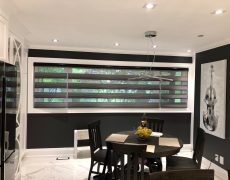
For rooms with persistent glare, solar shades are often a practical option. Their performance depends on the fabric’s openness factor. A more open fabric maintains a clearer outward view but admits more light. A tighter weave provides stronger glare and UV control, though it can reduce visibility and make the room feel more enclosed. There is no universal best choice. It depends on the orientation of the windows, the view, and how much light control the room demands.
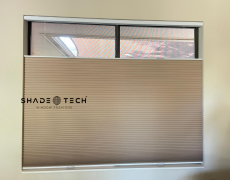
For bedrooms and spaces where privacy is the priority, blackout roller shades, cellular shades, or layered shade systems may be better suited. True blackout performance also depends on side gaps and mounting conditions. An inside-mounted shade offers a clean, architectural appearance, while an outside mount can provide more complete coverage when the window frame or trim allows it.
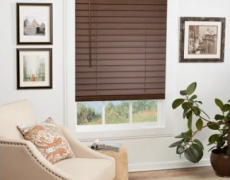
Blinds remain a strong choice when homeowners want adjustable light direction. Wood, composite, aluminum, and vertical systems each bring different benefits. Composite blinds and shutters are especially useful in humid areas or high-traffic spaces because they are durable and stable. Natural wood offers warmth and a refined finish, but it may not be the best fit for every moisture-prone environment.
Precision Measurement Protects the Investment
Custom window treatments are only as accurate as the measurements behind them. Window openings are rarely perfectly square, especially in older homes, remodels, and large contemporary installations. Trim depth, drywall returns, handles, mullions, door swing, and nearby architectural features all affect how a blind or shade should be specified.
A professional measure identifies those variables before fabrication begins. It also confirms whether an inside mount has adequate depth, where brackets can be secured, and how multiple treatments will align across a wall of windows. In a room with several openings, small inconsistencies become obvious quickly. Matching sightlines and consistent hem heights give the finished installation the clean, custom appearance homeowners expect.
For motorized systems, this stage is even more valuable. The installer must determine the best power method, whether hardwired, rechargeable battery, or plug-in, and account for access to the shade after installation. Hardwired power is often ideal during new construction or a major renovation. Rechargeable options can be an excellent solution in finished homes where opening walls is not desirable. Each has trade-offs in cost, maintenance, and long-term flexibility.
Smart Blinds Should Feel Effortless, Not Complicated
Motorization is particularly valuable on tall windows, wide openings, and shades that need adjustment throughout the day. Instead of manually operating every treatment, homeowners can raise, lower, or tilt them by remote, wall control, app, voice command, or scheduled automation.
The real benefit is consistency. A morning schedule can open bedroom shades gradually. An afternoon automation can lower solar shades on sun-exposed windows before the room overheats. At night, privacy shades can close throughout the home with a single command. This is not technology for its own sake. It is a practical way to make comfort and privacy routine.
Compatibility should be discussed early. A smart shade system may be integrated with Alexa, Google Home, Apple HomeKit, or Matter-enabled platforms, but the desired level of control affects the product and setup. Homeowners who want simple app operation may have different needs than those building whole-home scenes with lighting, climate, security, and audio systems.
Reliable smart-home performance also requires thoughtful setup. Naming conventions, room assignments, grouping, limits, and scheduled scenes should be configured properly rather than left as an afterthought. For commercial environments, controls may need to support regular opening and closing schedules while allowing staff to make simple manual adjustments when needed.
What Professional Installation Changes
The installation appointment is where the design, measurements, fabrication, and technology come together. Installers verify the product before mounting, secure brackets to appropriate structural points, level each treatment, test movement, and inspect alignment. On motorized projects, they also pair controls, confirm charging or power connections, and test the automation experience.
This process prevents the common frustrations associated with self-installed window coverings: crooked headrails, uneven shade heights, weak anchors, inconsistent gaps, and controls that never get properly connected. It also helps protect premium materials. Large shades and heavy shutters require proper support, particularly when mounted into challenging surfaces or installed high above the floor.
Professional work becomes especially important on multi-window projects. A row of roller shades across sliding doors, a two-story bank of windows, or a patio opening with outdoor screens requires coordination that goes beyond hanging a single blind. The installer needs to account for clearances, operation paths, visual alignment, and access for service.
Factory-Direct Manufacturing Brings More Control
For custom projects, local manufacturing can improve both precision and accountability. Rather than selecting a retail item that has passed through multiple layers of distribution, customers can work with a provider that manages consultation, measurement, fabrication, installation, and smart-home setup as one coordinated process.
ShadeoTech manufactures custom window treatments locally in Carrollton, Texas, allowing the team to tailor materials and dimensions for North Texas conditions. That factory-direct model helps avoid retail markups while keeping quality control close to the people responsible for the finished installation.
This approach is useful for homeowners who want a cohesive solution across an entire home, as well as contractors and builders managing demanding project schedules. It is equally relevant for medical clinics and restaurants, where privacy, glare control, clean design, and daily durability all need to work together.
Selecting the Right Partner for Dallas Blind Installation
The right installer should ask detailed questions before recommending a product. They should discuss sun exposure, privacy, room use, mounting conditions, fabric or material options, automation goals, and power access. A quick quote based only on rough window dimensions may be convenient, but it rarely produces the level of fit and performance a custom project deserves.
Look for a provider that can explain why a specific solution suits the application. For example, the lowest-cost option may not provide the heat control needed for a west-facing room. A blackout fabric may solve a sleeping issue but feel too heavy for a main living space. Battery motorization may be ideal for one window and less practical for a frequently used, oversized shade. Good recommendations account for those trade-offs clearly.
The most successful window treatment projects do more than make windows look finished. They make bright rooms usable, protect valuable interiors, simplify daily routines, and support the way a Dallas property is designed to be lived in.
