

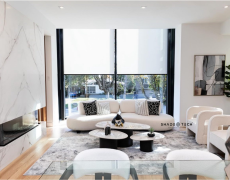


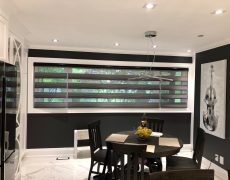
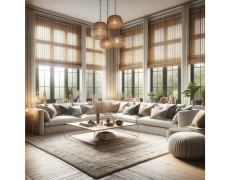
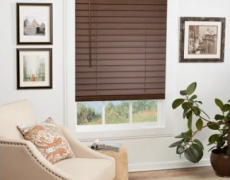
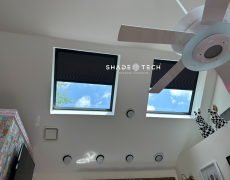


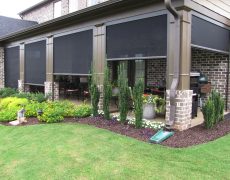

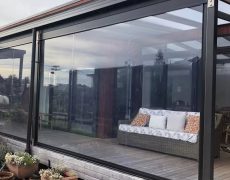



A wall of glass can make a modern Dallas home feel expansive until the afternoon sun turns the room into a glare-filled hot spot. Custom shutters for modern homes give homeowners a more architectural way to manage that light. Properly specified shutters add privacy, UV protection, and insulation without covering up the clean lines that made the window layout appealing in the first place.
For contemporary homes, the goal is rarely to make windows disappear. It is to make large, sun-exposed openings more comfortable and controllable while keeping the design intentional. That calls for made-to-measure panels, thoughtful material selection, and installation precise enough to look built in rather than added on.
Why Custom Shutters Work in Modern Interiors
Modern homes tend to place more demand on window treatments. Floor-to-ceiling glass, tall ceilings, open-concept living spaces, and wide patio doors introduce more daylight, but also more heat gain and less privacy. A standard off-the-shelf shutter panel is rarely equipped to handle those dimensions or visual expectations.
Custom shutters are built around the actual window opening, including small variations that are common in new construction and remodels. The frames sit correctly against the casing or wall, panel divisions align with the architecture, and louvers can be sized for the scale of the room. On a large contemporary window, narrow louvers can look busy. Wider louvers often create a cleaner view and a stronger visual rhythm when open.
They also provide a level of light adjustment that curtains cannot match. Tilt the louvers upward to bring in daylight while reducing direct glare, close them for privacy after dark, or open the panels fully when you want the view. In a living room, home office, or street-facing bedroom, that flexibility is useful every day.
Designing Custom Shutters for Modern Homes
The best shutter design starts with how the room is used, not simply with color. A west-facing family room needs a different solution than a shaded study, and a patio door needs a different panel configuration than a fixed picture window.
Choose a Clean, Proportional Louver Size
Louver size has a significant effect on both performance and appearance. Larger louvers generally offer a more open view and a less traditional look, making them a natural fit for contemporary homes. They also allow more light through when tilted open. Smaller louvers can provide finer light control, but on oversized windows they may create more horizontal lines than the design calls for.
A concealed tilt system is another detail worth considering. Instead of a visible tilt rod running down the center of the shutter, the louvers operate through a hidden mechanism. The result is a more streamlined face that suits minimalist interiors, modern millwork, and expansive glass.
Match the Material to the Room
Material selection should account for climate, window orientation, and moisture exposure. Natural wood shutters bring warmth and can be stained or painted to coordinate with cabinetry, flooring, or trim. They are especially compelling in formal living areas, studies, and spaces where a tailored furniture-grade finish is the priority.
Composite or engineered shutter materials are often the more practical choice in high-heat or high-humidity conditions. They resist warping, cracking, and moisture-related movement better than many natural materials. For North Texas homes, that durability matters near intense southern and western exposures, in bathrooms, and around pool-facing windows.
The right choice depends on the application. Wood may be the better design statement in a controlled interior environment, while a premium composite can deliver the clean white finish and long-term stability needed in demanding rooms.
Treat Color as Part of the Architecture
Bright white remains popular because it pairs easily with modern trim and reflects light well. But it is not the only option. Soft whites, warm neutrals, charcoal tones, and custom paint matches can make shutters feel integrated with the home’s interior palette rather than automatically decorative.
A professional consultation should consider the window frame color, wall paint, flooring, and nearby finishes. The most successful installations feel proportional and permanent, not like a separate layer competing with the room.
Comfort, Privacy, and UV Control Where It Counts
Shutters are often chosen for appearance, but their daily value comes from control. Closed louvers help reduce direct solar exposure, which can make sun-facing rooms more comfortable and protect flooring, artwork, upholstery, and wood finishes from fading. They also create privacy without forcing homeowners to choose between a fully exposed window and a fully darkened room.
They are not a replacement for high-performance glass or proper insulation. Still, a fitted shutter system adds another layer between the room and the window, helping manage the sensation of heat near glass and limiting harsh light during peak sun hours. The effect is especially noticeable in rooms with large windows where standard blinds feel too light or visually disconnected from the architecture.
For bedrooms, shutters provide dependable privacy and room-darkening support. For kitchens and family rooms, they allow daylight to remain part of the space while keeping direct sun from landing on screens, countertops, and seating areas. In commercial interiors such as clinics, restaurants, and hospitality spaces, the same control can improve guest comfort and reduce glare on workstations or displays.
Where Shutters Fit Into a Smart Home Plan
Interior shutters are a durable, manual architectural treatment. Their louvers and panels are designed for hands-on adjustment, which is part of their appeal. But modern homes do not need to choose between shutters and automation.
Smart shades or motorized blinds can be the stronger option for very high windows, hard-to-reach clerestory glass, media rooms, or spaces where scheduled solar control is a priority. A homeowner may use shutters on lower-level windows for privacy and timeless design, then add motorized shades on upper windows to manage heat and glare automatically.
That layered approach is often more practical than forcing one treatment to solve every window. Smart shades can respond to schedules, voice commands, or connected-home routines through systems such as Alexa, Google Home, Apple HomeKit, and Matter-compatible platforms. Shutters bring structure and adjustable privacy at eye level. Together, they create a polished solution that works with how the home is actually used.
Precision Measurement Is What Makes the Difference
A high-end shutter installation is defined by details that are easy to overlook until they are wrong. Windows may be slightly out of square. Tile, trim, recessed handles, security sensors, and door swings can all affect how panels must be built and mounted. Large openings may require multiple panels, specialty hinges, or carefully planned breaks to maintain access and symmetry.
This is why professional measurement and installation matter. The installer needs to assess not only width and height, but also reveal depth, casing condition, obstructions, light gaps, and how the panels will open in real life. A beautiful shutter that blocks a door handle or cannot clear a window crank is not a successful custom solution.
Local manufacturing also provides a meaningful advantage when the product is built to the project rather than pulled from a retail inventory system. ShadeoTech manufactures in Carrollton, allowing the consultation, measurement, production, installation, and smart-home planning to stay connected from start to finish. That helps protect design intent while reducing the handoffs that can create delays or installation surprises.
A Better Way to Select Your Shutter Configuration
Start with the room’s most demanding condition. Is the priority afternoon heat, street-level privacy, a protected view, or a finish that coordinates with custom millwork? Then consider the window’s size and operation. Fixed windows can support a different shutter layout than casement windows, sliding doors, or windows that need frequent access.
Think about panel operation as carefully as louver style. Café shutters cover the lower portion of a window and preserve daylight above, which can work well for front-facing dining rooms or bathrooms. Full-height shutters offer greater privacy and a more complete architectural look. Divider rails can separate upper and lower louver operation, allowing privacy below while keeping the top louvers open for light.
Finally, be realistic about maintenance and longevity. Shutters are generally easy to dust and are more durable than many fabric treatments, but material quality and proper installation still determine how they perform over time. A well-built system should open smoothly, close evenly, and maintain its finish through years of Texas sun and daily use.
The right shutter treatment does more than frame a window. It gives a modern home a calmer, more controlled relationship with daylight, privacy, and heat – while preserving the view that made the space worth investing in.
