

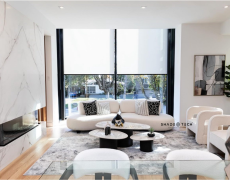

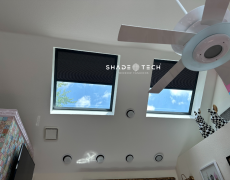






A west-facing wall of glass can turn a beautiful Dallas home into the warmest room in the house by midafternoon. The HVAC system responds by running longer, while furniture, flooring, and artwork absorb harsh UV exposure. Understanding how automated shades save energy starts with a simple advantage: they respond to sun and temperature conditions consistently, even when no one is standing in the room to adjust them.
Motorized shades do more than replace a manual pull chain with a remote. When designed for the window, fabric, exposure, and building use, they become an active part of a home’s thermal-control strategy. They reduce unwanted solar heat before it enters the space, preserve conditioned air at night, and make better use of natural daylight during the day.
How Automated Shades Save Energy in North Texas
In Dallas-Fort Worth, summer solar gain is often the largest window-related energy concern. Sunlight passing through glass carries radiant heat into the room. Once that heat reaches floors, walls, furnishings, and interior surfaces, the air-conditioning system has to remove it. Closing an appropriate solar shade before the strongest sun arrives can significantly reduce that workload.
Automation is what makes the strategy reliable. A shade schedule can lower east-facing shades in the morning, west-facing shades during the hottest afternoon hours, and reopen them when direct sun has moved away. Rather than remembering which rooms need attention at which time, the system follows the plan every day.
This is particularly valuable in homes with expansive contemporary windows, tall entryways, glass stairwells, and rooms that sit empty during the workday. Those windows may look exceptional, but they can also create concentrated heat gain. Automated shades give homeowners a precise way to manage it without sacrificing the architecture or blocking every view all day.
Solar heat control reduces cooling demand
The most meaningful energy benefit usually comes from exterior-facing heat control. Solar-screen fabrics, roller shades, and cellular shade constructions can each help, although the right choice depends on the opening and the desired level of privacy, visibility, and light filtration.
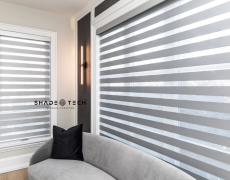
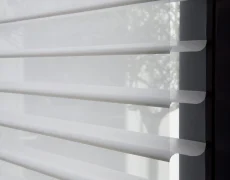
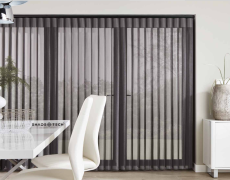
A darker, more open solar fabric may preserve a clearer outward view while reducing glare and a portion of solar heat. A tighter weave offers more privacy and stronger light control, but it can make the room feel more enclosed. For bedrooms and media rooms, room-darkening fabrics may be the better performance choice. The goal is not to use the same material everywhere. It is to match the shade to the exposure and how the room is used.
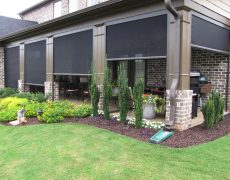
Exterior screens can add another layer of performance for patios, outdoor kitchens, and large openings that receive direct afternoon sun. By intercepting sunlight before it reaches the glass or outdoor living area, they help make those spaces more usable during hot months while reducing glare into adjoining rooms.
Better insulation after sunset
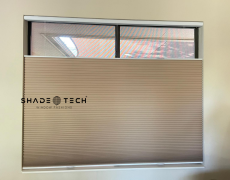
Windows also lose heat in colder weather and during cool North Texas nights. A properly fitted interior shade creates an insulating air layer between the window and the room. Cellular shades are especially effective for this purpose because their honeycomb-shaped pockets trap air.
Automation helps here as well. Shades can close at sunset to reduce nighttime heat loss, then open during sunny winter periods when beneficial daylight and warmth are welcome. The savings will vary by window quality, shade style, home insulation, and thermostat settings, but the principle is straightforward: a window covering used at the right time performs better than one left in the same position all day.
Daylight Without the Glare Penalty
Not every energy-saving shade routine means closing the home up. Natural daylight can reduce the need for artificial lighting, especially in offices, kitchens, lobbies, clinics, and open living areas. The challenge is controlling glare and direct beam sunlight without making the space feel dark.
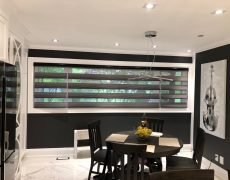
Automated shades make that balance practical. A light-filtering fabric can lower when sunlight hits computer screens, television areas, reception desks, or dining tables, while still allowing diffused daylight into the room. In commercial settings, this can improve visual comfort for employees and guests while lowering lighting use during daytime hours.
For restaurants and medical clinics, consistent light control also supports the customer experience. Guests should not have to change tables because of sun in their eyes, and patients should not sit in a waiting area that feels overheated at 3 p.m. Scheduled shading creates a more controlled environment without requiring staff to manage multiple windows throughout the day.
The Value of Sensors, Schedules, and Smart-Home Control
The best automation setup is usually simple enough that it runs without daily intervention. Time-based schedules work well for predictable sun exposure, particularly on east- and west-facing elevations. They are also easy to adjust seasonally as sunrise, sunset, and the sun’s angle change.
For more responsive control, systems can incorporate sun sensors, temperature triggers, and smart-home routines. A sun sensor can tell shades to lower when direct light reaches a set intensity. A temperature-based routine can prioritize heat control in a glass-heavy room. Smart-home integration can coordinate shades with scenes such as “Away,” “Good Morning,” or “Movie Time.”
Compatibility matters. A professionally planned system should work reliably with the platforms already in the home, including Alexa, Google Home, Apple HomeKit, and Matter-enabled controls where applicable. Voice control is convenient, but dependable scheduled operation is what produces the most consistent energy benefit.
There is a practical trade-off to consider: too many rules can make an automated system frustrating. If shades close unexpectedly during a family gathering or stay down when a homeowner wants a view, the automation will be overridden and eventually ignored. The right setup prioritizes a few useful routines, manual control from the wall or app, and room-specific preferences.
Why Custom Fit Affects Energy Performance
Energy performance is not only about the motor. It depends on the shade’s fit, fabric, mounting method, and coverage. A poorly sized shade can leave excessive edge gaps, allow concentrated glare, or fail to cover the glass area that needs protection. Large windows and specialty shapes require careful measurement so the system looks refined and performs as intended.
Motor selection matters, too. Oversized shades, dual-shade systems, high windows, and hard-to-reach openings require equipment designed for the load and daily use. A quiet, properly calibrated motor encourages homeowners and staff to use the system more often. A shade that binds, moves unevenly, or requires repeated troubleshooting does not deliver dependable results.
ShadeoTech approaches this as a complete custom installation rather than a boxed retail product. Local manufacturing, precision measurement, professional installation, and smart-home setup help ensure the finished system is tailored to the window and to North Texas conditions.
Where Automated Shades Have the Greatest Impact
Automated shading tends to deliver the strongest practical value in rooms with direct sun exposure, large glass areas, difficult-to-reach windows, and spaces used at consistent times. West-facing living rooms, two-story foyers, home offices, primary bedrooms, conference rooms, and restaurant dining areas are common examples.
The energy result will not be identical in every building. A home with modern low-E windows may see a different effect than one with older single-pane glass. Exterior overhangs, trees, insulation levels, HVAC efficiency, and occupant behavior all influence overall utility use. Shades should be viewed as a targeted improvement that complements efficient windows and a well-maintained heating and cooling system, not as a substitute for them.
For homeowners comparing options, it is also worth separating energy savings from comfort savings. The monthly utility reduction may be meaningful, but the immediate benefit is often a room that stays cooler, has less glare, and feels usable throughout the afternoon. That comfort can be just as valuable in a home designed around large, light-filled spaces.
A well-planned automated shade system lets the glass in a home or business do what it should: bring in light, views, and architectural character without forcing the HVAC system to fight the sun all day.
