








A restaurant glare project is rarely just about making windows look better. When afternoon sun hits a dining room, it can put guests in direct light, wash out menus and point-of-sale screens, raise indoor temperatures, and make a carefully designed space feel uncomfortable for hours at a time. In North Texas, where intense sun and heat are part of daily operations for much of the year, glare control needs to be planned as an operational improvement, not an afterthought.
The right commercial shade system protects the atmosphere a restaurant has worked hard to create while preserving the daylight and street-facing views that make the space appealing. The answer is not automatically to block every window. It is to control light precisely, at the right time, in the right zones.
Start a Restaurant Glare Project With Real Observation
The best glare solutions begin on-site, during the hours when the problem actually occurs. A restaurant may look perfectly comfortable at 10 a.m. and become nearly unusable along the west-facing windows by 4 p.m. The direction of the glass, neighboring buildings, exterior overhangs, interior finishes, and the placement of tables all affect how sunlight behaves in the room.
A thoughtful assessment identifies more than bright windows. It looks for reflected glare bouncing from polished tabletops, glassware, floors, open kitchens, and nearby buildings. It also considers where staff need visual clarity. Hosts working at an entry podium, bartenders reading screens, and servers moving through a busy dining room all need controlled light, not abrupt patches of sun and shadow.
This is why off-the-shelf blinds are often a poor fit for hospitality spaces. They may cover the opening, but they do not account for the exact window dimensions, the room’s sightlines, or the hours the restaurant needs protection. Precision measurement and custom fabrication give operators better control over coverage, alignment, and finished appearance.
Choose Fabric for Performance, Not Just Color
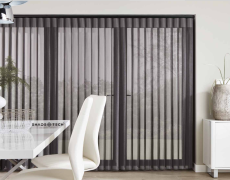
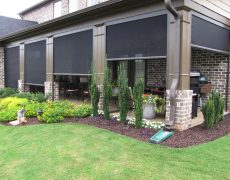
Solar screen shades are often the strongest starting point for restaurant windows because they reduce glare while maintaining an outward view. Their openness factor determines how much light and visibility pass through the fabric. A lower openness factor provides more glare and heat reduction, while a higher factor preserves clearer views and more daylight.
There is no single percentage that works for every restaurant. A west-facing patio enclosure with strong late-day exposure may need a tighter fabric than a north-facing dining room. A restaurant with skyline views may accept slightly more filtered light to retain the view. A private dining room used for presentations may benefit from a more opaque solution or room-darkening shades.
Fabric color also affects performance. Darker solar fabrics typically offer better outward visibility during the day because they reduce reflected light on the interior side of the glass. Lighter fabrics can support a brighter design palette and may be better suited to certain interiors, but they can create more interior reflection depending on lighting conditions. The right choice balances the restaurant’s design intent with the actual exposure of each elevation.
For kitchens, service areas, and high-traffic zones, durability matters as much as light control. Commercial-grade fabrics, hardware, and mounting systems are designed for repeated daily use. That matters in a restaurant where shades may move several times each day, not occasionally like a residential window treatment.
Divide the Space Into Control Zones
One large shade system controlled by a single switch may be simple, but it is often too blunt for a restaurant. Light moves across a building throughout the day. A window wall near the bar may need coverage at 3 p.m., while dining tables on the opposite side of the room remain comfortable until later.
Zone-based design allows each section of the restaurant to respond to its own conditions. The host area, bar, main dining room, private room, patio doors, and perimeter windows can operate independently. This keeps the room visually balanced and avoids closing shades where they are not needed.
Motorization makes that flexibility practical. Rather than asking employees to adjust multiple manual shades during a rush, programmed controls can lower the appropriate zone at a scheduled time or respond to sunlight. A manager can still override the system for weather changes, events, or seasonal shifts, but the everyday adjustments happen consistently.
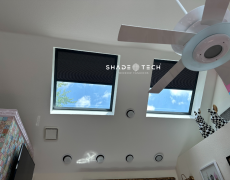
For restaurants with large glazing, high ceilings, or inaccessible clerestory windows, motorization is not simply a convenience upgrade. It is the difference between having usable shading and leaving the shades in one position because manual operation is inconvenient or unsafe.
Automation Protects the Guest Experience
Guests notice glare immediately, even if they do not describe it that way. They squint into the sun, move seats, pull down a napkin to shield their eyes, or choose not to return to a patio table at the wrong time of day. Meanwhile, staff may be dealing with screen visibility, uncomfortable heat, and complaints that could have been prevented.
Automated shades create a more consistent experience from one service to the next. Schedules can be set around the building’s exposure and operating hours. For example, a west-facing dining zone can lower gradually before the strongest afternoon sun arrives, then raise after sunset to reopen the view. This approach is more polished than reacting after guests have already been seated in direct light.
Sun sensors add another layer of responsiveness, particularly where weather patterns change quickly. They can trigger a shade position based on actual light conditions instead of a fixed time. In a hospitality setting, the programming should be carefully calibrated. A system that moves shades too often can distract guests, while one that reacts too late fails to solve the problem.
Smart controls can also support the broader building ecosystem. Depending on the selected system, restaurant operators can manage shades through wall controls, mobile devices, or integrated automation platforms. For multi-location operators and managers, centralized control can reduce daily friction while preserving the option for local adjustments.
Do Not Ignore Heat Gain and UV Exposure
Glare is the visible issue, but solar heat gain is often the more expensive one. Sun streaming through large windows can make perimeter seating noticeably warmer than the rest of the restaurant. That puts added pressure on HVAC equipment, creates inconsistent temperatures, and can leave guests feeling uncomfortable even when the thermostat is set correctly.
Solar shades intercept a meaningful amount of solar energy before it spreads through the room. The exact impact depends on glass type, fabric selection, exposure, and the amount of window area, so energy savings should never be presented as a one-size-fits-all number. Still, targeted shading can reduce the burden on cooling systems and help maintain a more even dining environment.
UV protection matters as well. Constant sun exposure can fade upholstery, wood finishes, flooring, artwork, menus, and merchandise displays. For restaurants with custom millwork and premium interiors, protecting those investments is part of responsible facility planning.
Plan Installation Around Restaurant Operations
A glare-control upgrade should not interrupt service any more than necessary. Before fabrication begins, the installer should confirm mounting conditions, ceiling details, electrical requirements for motorized shades, access constraints, and the location of any fire-safety equipment or sprinkler clearances.
Installation planning is especially important in restaurants with open ceilings, exposed steel, tile walls, or glass storefront systems. These details affect how shades are mounted and where wiring or battery power is appropriate. Hardwired motors can be an excellent choice for new construction and major renovations. Rechargeable battery-powered systems may be better when finished walls and ceilings make new wiring impractical. The best option depends on the window layout, usage frequency, and long-term maintenance expectations.
For Dallas-area projects, ShadeoTech can coordinate custom measurement, local manufacturing, professional installation, and automation setup as one managed process. That reduces the risk of mismatched products, incomplete programming, or a finished system that looks good but does not perform when the sun is at its worst.
Design for the View You Want to Keep
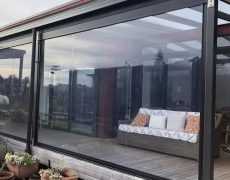
Restaurants depend on daylight, visibility, and a sense of connection to the street, patio, or skyline. A successful glare project does not turn those assets into blank walls. It filters the conditions that interfere with the experience while keeping the space open and intentional.
The most effective systems are often the least noticeable. They move when needed, align cleanly with the architecture, and let guests focus on the meal, the conversation, and the setting rather than the sun in their eyes. That is the standard worth designing for: light controlled so well that comfort simply feels like part of the restaurant.
