








A west-facing conference room can become unusable by 3 p.m. A clinic waiting area can feel exposed after dark. A restaurant patio may need shade that cuts glare without closing off the view. Commercial blinds solve these daily operational problems when they are specified for the space, the windows, and the people using them.
For Dallas-Fort Worth businesses, window treatments are not a finishing touch. They influence guest comfort, staff productivity, privacy, energy use, and the visual standard of the property. The right system should look intentional from opening day and continue performing through intense sun, frequent use, and changing business needs.
Why Commercial Blinds Are a Performance Decision
Commercial spaces ask more from blinds than a typical residential room. They often cover larger glass expanses, operate more frequently, and need to meet different requirements across public areas, private offices, treatment rooms, and back-of-house spaces. A solution that looks good in a showroom can fall short if it creates screen glare, leaves visible gaps, or requires staff to adjust multiple shades by hand every morning.
The strongest specifications start with the actual problem. In an office, that may be direct sun on monitors and uncomfortable heat near perimeter desks. In a medical clinic, it may be patient privacy and easy-to-clean materials. Restaurants and hospitality properties may prioritize atmosphere, exterior views, and a consistent appearance across dozens of windows.
Light Control Without Losing the Space
The goal is rarely to eliminate daylight entirely. Natural light makes interiors feel more open and welcoming, but uncontrolled sunlight can create glare, heat gain, and fading on furniture, flooring, and merchandise.
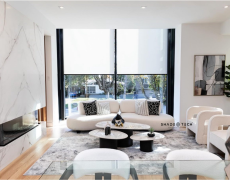
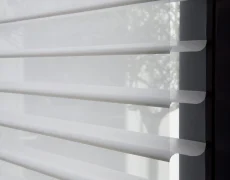
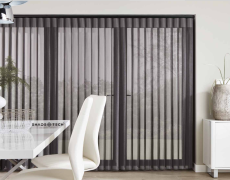
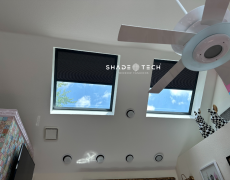
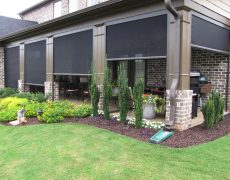
Solar roller shades are often a strong fit for offices, lobbies, restaurants, and contemporary commercial interiors because they filter bright light while preserving a degree of outward visibility. Fabric openness matters. A more open weave provides a clearer view and more daylight, while a tighter weave delivers stronger glare reduction and privacy. There is no universal “best” percentage – the right choice depends on window orientation, nearby buildings, screen use, and whether the room faces public areas.
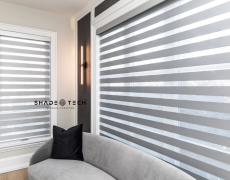
For presentation rooms, treatment spaces, private offices, and hotel guest rooms, blackout or room-darkening fabrics may be the better choice. Dual-shade systems can also pair a solar fabric for daytime use with an opaque layer for privacy or darkness when needed.
Privacy Must Match How the Space Is Used
Privacy is not only about what people can see from outdoors. It also affects how confidently a space operates. Exam rooms, consultation offices, street-level salons, conference rooms, and ground-floor workspaces all need intentional sightline control.
Consider visibility in both directions during the day and after sunset. A fabric that offers privacy in daylight may become more transparent at night when interior lights are on. In those settings, an opaque shade, layered system, or carefully selected openness factor can prevent an expensive mistake.
Choose the Right Operating Method First
Manual shades remain practical for small offices, storage areas, or windows adjusted only occasionally. They are straightforward, cost-conscious, and dependable when installed with commercial-grade hardware. But manual operation becomes less practical as window count, height, and daily adjustment needs increase.
Motorized commercial blinds bring consistency to larger spaces and difficult-to-reach windows. Instead of relying on staff to manage individual shades, a manager can raise, lower, or group treatments with a wall control, remote, app, or scheduled automation. That reduces uneven shade positions across a storefront or office facade and helps protect interiors before direct afternoon sun arrives.
Motorization is especially useful in spaces with high ceilings, large contemporary windows, and shared environments where no one is clearly responsible for shade adjustments. It can also support accessibility by making window coverings easy to operate without cords or manual lifting.
For new construction or major renovations, hardwired motors are typically the cleanest long-term choice. They avoid routine battery replacement and can be planned during electrical work. Battery-powered motorized shades can be an effective solution in finished spaces where running new wiring would disrupt walls, finishes, or daily operations. The right option depends on the project timeline, number of shades, window access, and control requirements.
Specify Fabric and Hardware for the Real Environment
Commercial blinds should be selected for more than color. The material needs to perform under the demands of the property.
In North Texas, solar exposure can be aggressive for much of the year. Fabrics designed to reduce solar heat gain and block UV exposure help protect furnishings, artwork, flooring, and display materials while making perimeter rooms more comfortable. This can reduce the workload on HVAC systems, although blinds are not a substitute for proper building insulation, glazing, or system design.
For clinics, restaurants, and high-traffic facilities, cleanability matters just as much. Choose durable fabrics and components that can handle regular cleaning without looking worn. In food-service settings, treatments should also be evaluated for placement near cooking areas, doors, and outdoor transitions, where grease, moisture, and frequent handling can shorten the life of the wrong product.
Hardware deserves equal attention. Large shades need properly sized tubes, brackets, and mounting methods to operate smoothly and prevent sagging. A system specified for a narrow private office window may not be appropriate for a wide lobby opening. Professional measurement identifies these details before production, including obstructions, trim depth, mullions, door clearance, and the structural backing needed for secure installation.
Commercial Blinds and Smart Building Control
Automation becomes more valuable when it supports a routine rather than simply adding a remote control. For example, shades can lower on west-facing glass before the strongest afternoon sun, raise at opening time, or shift to a privacy position after business hours.
In a restaurant, a scheduled scene can manage changing daylight from lunch through dinner service. In an office, grouped shades can reduce glare before a recurring afternoon meeting. In a clinic, staff can quickly set the appropriate privacy level for a room without interrupting patient care.
The best control approach depends on who will use the system. A single-location business may only need intuitive wall controls and schedules. A larger facility may benefit from zones, centralized control, and integration with compatible smart-building or smart-home platforms. Alexa, Google Home, Apple HomeKit, and Matter-compatible systems can offer useful control options, but technology should be selected around the building’s needs rather than added for its own sake.
Reliability also depends on thoughtful setup. Motors must be paired correctly, limits set precisely, and groups organized so users can operate the right shades without confusion. This is where professional commissioning matters as much as the product itself.
Plan for Installation Before Ordering
Commercial window treatments often intersect with architectural details that are easy to overlook: recessed ceilings, sprinkler clearances, door swings, storefront framing, decorative trim, and furniture placement. Waiting until the end of a project to address these issues can limit options or create visible compromises.
For contractors and builders, early coordination allows shade pockets, power locations, and blocking to be planned before drywall and finish work are complete. For existing businesses, a detailed site visit helps identify installation methods that preserve finished surfaces and minimize disruption to operations.
Local manufacturing can make this process more responsive. ShadeoTech measures, manufactures, installs, and programs custom systems in the Dallas area, giving commercial clients one accountable team from specification through final operation. That factory-direct model also helps avoid the added layers and delays common with retail-driven ordering.
Evaluate Value Over the Full Life of the System
The lowest initial price is not always the lowest operating cost. Shades that fade quickly, operate poorly, or require frequent replacement can become an ongoing expense. A commercial-grade system should be evaluated for fabric quality, motor and hardware durability, cleaning requirements, warranty support, and the availability of service after installation.
It is also worth considering how the treatment affects the customer or employee experience. A polished, consistently aligned shade system communicates care. Uneven blinds, dangling cords, and harsh glare create the opposite impression, even in an otherwise well-designed interior.
The most effective commercial blinds are the ones occupants barely have to think about. They keep workspaces comfortable, protect privacy when it matters, support the design of the room, and respond reliably to the changing Texas sun. Start with how the space operates each day, then build the shade system around that reality.
