








A west-facing living room in Dallas can become noticeably hotter before lunchtime, even with high-performance glass. When homeowners compare solar shades versus window film, they are usually looking for the same outcomes: less glare, lower heat gain, UV protection, and a clearer view of the outdoors. The right answer depends on whether you need a fixed glass treatment or adjustable control that fits how you actually use the room.
Window film can be an effective tool for certain glass problems. Solar shades offer a more complete window-covering solution, especially in homes with large contemporary windows, open floor plans, smart-home systems, and changing privacy needs. Understanding where each option performs best prevents an expensive decision that looks good on paper but falls short at 4 p.m. in August.
Solar Shades Versus Window Film: The Core Difference
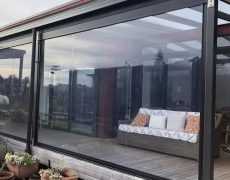
Window film is a thin layer applied directly to the interior surface of glass. Depending on the product, it can reduce solar heat, block ultraviolet light, soften glare, or add privacy. Once installed, its effect is permanent until the film is removed or replaced. It does not raise, lower, open, or respond to the time of day.
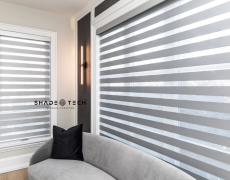
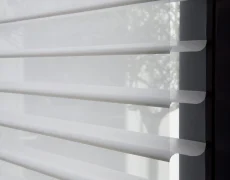
Solar shades are fabric roller shades designed to filter sunlight while preserving an outward view. Their openness factor, fabric color, and material determine how much light, heat, glare, and visibility they allow. Unlike film, solar shades can be raised fully for an unobstructed view, lowered for afternoon glare, or automated around a household schedule.
That adjustability is the practical dividing line. Film changes what the glass can do at all times. Solar shades let you decide what the room needs at a given moment.
Heat Control in North Texas Homes
Both products can reduce the discomfort caused by intense sun exposure, but they manage heat differently. Solar-control window film reflects or absorbs a portion of solar energy before it enters the room. It is often a sensible choice for glass that must remain uncovered, such as certain commercial storefronts, sidelights, or narrow architectural windows.
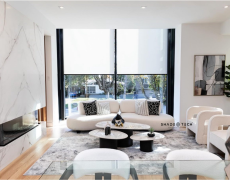
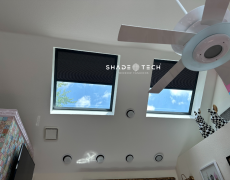
Solar shades intercept sunlight inside the window plane. A quality solar fabric can significantly reduce glare and solar gain while allowing natural light to remain useful. For rooms with multiple large windows, the visual difference can be dramatic: fewer harsh reflections on floors and televisions, less direct heat on seating areas, and more consistent comfort across the room.
There is a trade-off. Because film is always working, it may provide a modest advantage when a shade would otherwise be left open during peak sun. But a properly selected solar shade gives homeowners the option to filter the sun when it is strongest and open the window when daylight, views, or passive warmth are welcome.
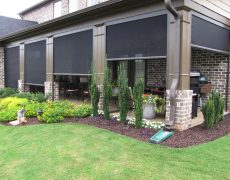
For the strongest thermal result, exterior screens can also deserve consideration on patios, west-facing glass walls, and exposed outdoor living areas. Stopping solar energy before it reaches the glass is particularly valuable where direct afternoon sun is relentless.
Glare, Views, and Daylight
Glare is often the real reason people begin researching shading. A beautiful view has little value when direct sun makes a home office monitor unreadable or forces a family to close heavy drapery in the middle of the day.
Window film reduces glare consistently, but it changes the appearance of the glass around the clock. Darker films can make interiors feel dimmer, especially on overcast days or in shaded rooms. Some reflective films also alter the exterior appearance of a home, which may not suit a carefully designed façade or community guidelines.
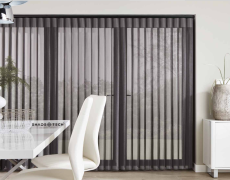
Solar shades offer more design control. A 1% openness fabric delivers strong glare control and limited visibility through the shade. A 3% or 5% fabric retains more outward view and daylight while still cutting harsh sun. The best selection is not simply the darkest fabric. It is the fabric that matches the room’s orientation, view, screen use, and privacy expectations.
Color matters as well. Darker solar fabrics generally provide better outward visibility during daylight because they reduce reflected interior light. Lighter fabrics can create a brighter interior feel and may better suit a light, layered design palette. A professional consultation can show these differences on the actual glass, under the conditions that matter most.
Privacy Is Not the Same as Sun Control
This is where many projects go wrong. Standard solar film and solar shades are not automatically nighttime privacy solutions. Once it is dark outside and lights are on indoors, a person outside can often see into the home through either treatment.
Film can provide daytime privacy if it has a reflective or tinted finish, but that effect may reverse after dark. Solar shades offer filtered daytime privacy, yet their open weave still allows some visibility depending on the openness factor and lighting conditions.
For bedrooms, bathrooms, street-facing rooms, and homes close to neighboring properties, pair solar shades with a second layer. A blackout roller shade, room-darkening shade, drapery, or shutters can provide the privacy and darkness solar fabric is not designed to deliver. Dual shades are especially effective because they preserve daylight and views during the day while giving complete coverage at night.
Automation Changes the Value of Solar Shades
Film is passive. That simplicity can be useful, but it cannot adapt to a changing room. Motorized solar shades can lower automatically before a west-facing room heats up, rise in the morning to bring in natural light, or close at sunset for privacy.
For Dallas-Fort Worth homeowners, automation is more than a convenience feature. It supports better energy habits without requiring someone to walk from room to room every afternoon. In tall entryways, stairwells, and large glass walls, motorization also makes shading practical where manual operation would be inconvenient.
Custom motorized shades can be integrated with Alexa, Google Home, Apple HomeKit, and compatible Matter-enabled systems. They can operate by schedule, voice command, scene, or smart-home routine. A “Goodnight” scene can lower bedroom shades and close privacy layers; an afternoon routine can protect furnishings and reduce glare before the room becomes uncomfortable.
This is a clear advantage of solar shades versus window film for homeowners who want the house to respond to their routines rather than remain fixed in one setting.
Installation, Maintenance, and Long-Term Considerations
Window film requires careful surface preparation and professional application. Poor installation can leave bubbles, debris, edge lifting, or visible inconsistencies. Film may also affect the appearance of double-pane glass and, depending on the product and existing window warranty, should be evaluated carefully before installation. Not every film is appropriate for every insulated glass unit.
Solar shades require precise measurement, properly mounted hardware, and fabric selection that works with the window’s proportions. On large windows, alignment and leveling matter. A custom shade should operate smoothly, roll evenly, and sit correctly within the opening or across the window wall.
Maintenance is straightforward for both. Film is generally cleaned with approved nonabrasive products. Solar shade fabric usually needs occasional dusting or gentle vacuuming with a soft brush attachment. The greater long-term advantage of shades is serviceability: fabric, motors, controls, and hardware can often be addressed individually rather than replacing a treatment bonded directly to the glass.
Which Option Is Right for Your Space?
Choose window film when you need a permanent, low-profile reduction in UV exposure and solar intensity, and you do not need changing privacy, room-darkening, or adjustable views. It can make sense for commercial glass, decorative sidelights, or areas where visible shade hardware is not desired.
Choose solar shades when you want controlled daylight, a tailored look, better glare management, and the ability to open the window completely. They are particularly effective in media rooms, home offices, kitchens, living rooms, and modern homes with broad spans of glass. They also offer far more flexibility for smart-home automation and layered privacy.
For many homes, the answer is not strictly one or the other. Window film may solve a specific glass issue while custom solar shades manage the rooms where comfort, aesthetics, and daily control matter most. ShadeoTech evaluates window orientation, glass size, interior finishes, privacy needs, and automation goals to build a shading system around the property rather than forcing every opening into the same solution.
The best choice is the one that lets you enjoy the daylight you paid for without surrendering comfort, privacy, or control when North Texas sun is at its strongest.
