

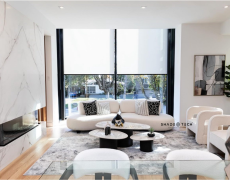







Floor-to-ceiling glass can make a Dallas home feel strikingly open until the afternoon sun turns the living room into the warmest room in the house. The most relevant smart home shade design trends respond to that reality with systems that look architectural, operate quietly, and manage light and heat without asking homeowners to adjust every window by hand.
For custom homes, renovations, clinics, restaurants, and commercial spaces across Dallas-Fort Worth, window treatments are moving beyond the idea of a decorative finishing touch. They are becoming part of the building’s comfort, energy, and automation strategy. The best designs balance visual restraint with real performance: glare reduction during the day, privacy after dark, UV protection for interiors, and control that fits naturally into the way a space is used.
Smart Home Shade Design Trends Shaping DFW Interiors
Quiet, concealed automation is now the design baseline
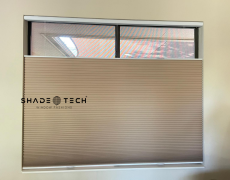
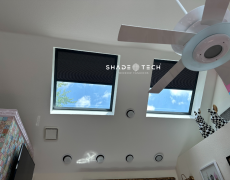
Visible cords, uneven roller shades, and bulky hardware can interrupt an otherwise clean interior. A leading trend is the move toward low-profile motorized shades with carefully planned mounting, recessed pockets, fascia options, and fabric-wrapped details that visually disappear into the architecture.
This is especially effective in contemporary Dallas homes with expansive windows, tall ceilings, and open-concept living areas. When shades are measured and installed precisely, the window remains the focal point rather than the mechanism around it. Quiet motors matter just as much. In bedrooms, media rooms, medical offices, and hospitality settings, a smooth, low-noise operation feels appropriately premium.
Concealment should be discussed early in a new build or major remodel. A shade pocket can create a polished built-in appearance, but it requires coordination with drywall, electrical planning, and trim details. In a finished home, surface-mounted systems can still look refined when the fabric, hardware, and installation approach are selected for the room rather than treated as an afterthought.
Solar fabrics are becoming a primary design material
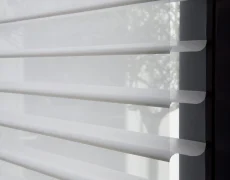
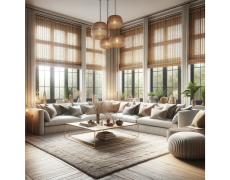
Homeowners no longer have to choose between preserving a view and reducing sun exposure. Modern solar shade fabrics are increasingly specified for large, sun-facing windows because they filter glare and heat while maintaining a connection to the outdoors.
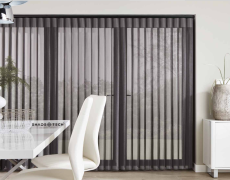
The right openness factor depends on the room. A tighter weave offers greater daytime privacy and stronger glare control, making it a practical choice for west-facing offices, television rooms, and commercial spaces. A more open weave better preserves views and daylight, which may suit a living room looking onto a landscaped yard. Neither is automatically better. The orientation of the glass, the purpose of the room, and the level of privacy required should guide the decision.
Color also affects performance and appearance. Light fabrics can help a room feel airy and reflect more solar energy, while darker fabrics often provide clearer outward views and a sharper, more tailored look. In North Texas, where UV exposure can fade flooring, artwork, upholstery, and wood finishes, fabric selection is as much a protection decision as a style decision.
Layered shade systems replace one-size-fits-all coverage
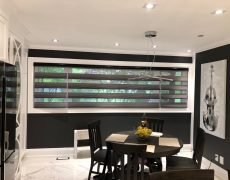
A single shade rarely needs to do every job. Layered window treatments are gaining traction because they give homeowners distinct settings for daylight, privacy, and sleep. The most common example pairs a solar roller shade for daytime use with a room-darkening or blackout shade for evening privacy and bedroom comfort.
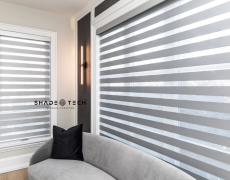
This approach works particularly well in primary suites, nurseries, media rooms, and street-facing spaces. During the day, the solar layer softens harsh Texas sun without making the room feel closed off. At night, the second layer adds privacy and deeper darkness. Dual shades can be installed within a single coordinated system, preserving a clean appearance while expanding control.
Designers are also using drapery with motorized roller shades more intentionally. The roller shade handles heat and glare with precision, while drapery adds softness, acoustic value, and a finished decorative layer. It is a stronger solution than relying on fabric panels alone for a large west-facing window.
Warm neutrals and textured fabrics keep technology from looking cold
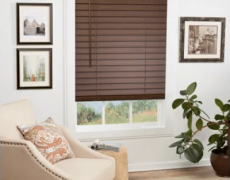
Smart shading is becoming more capable, but the visual direction is warmer and more grounded. Soft whites, sand, oatmeal, taupe, charcoal, and natural woven textures remain popular because they complement wood tones, stone, plaster walls, and the organic finishes common in elevated Texas interiors.
The goal is not to make every shade disappear. In some rooms, a textured fabric adds depth against a smooth wall and gives the window a deliberate, tailored presence. In others, especially where the exterior view is the feature, a closely matched neutral lets the treatment recede.
Samples are essential. Fabric can look significantly different against a wall than it does across a sunlit window. A professional in-home consultation accounts for changing daylight, interior finishes, window proportions, and the view beyond the glass before a fabric is chosen.
Automation is shifting from remote control to responsive routines
A motorized shade is convenient when it responds to a wall switch, remote, or app. A smart shade becomes more valuable when it follows a useful routine. That distinction is shaping the next phase of home automation design.
Schedules based on time of day remain popular: shades rise in the morning, lower during peak afternoon sun, and close at sunset for privacy. But room-by-room scenes offer even more practical control. A “Good Morning” scene can raise bedroom shades gradually. A “Movie” scene can lower glare-control shades in the family room. An “Away” scene can adjust selected windows to make the home appear occupied while limiting direct sun exposure.
Compatibility matters because homeowners increasingly expect their window treatments to work with Alexa, Google Home, Apple HomeKit, and Matter-enabled smart-home ecosystems. The strongest installations account for the existing control platform, Wi-Fi coverage, power access, and daily habits before the shades are ordered. A beautiful system that drops offline or operates inconsistently is not a premium experience.
For many windows, hardwired motors are worth considering during construction or renovation. They eliminate battery maintenance and are well suited to high or hard-to-reach openings. Battery-powered systems offer flexibility in completed homes where running new wiring is impractical. The right choice depends on access, window count, and long-term maintenance preferences.
Exterior screens are taking a larger role in patio design
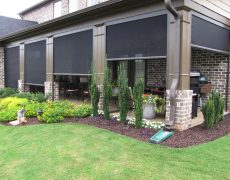
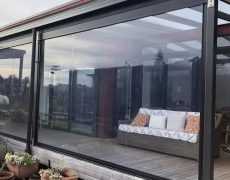
Outdoor living spaces are no longer treated as seasonal extras in North Texas. Motorized exterior screens are becoming a key part of covered patios, outdoor kitchens, pool houses, restaurants, and hospitality spaces because they help control glare, insects, windblown debris, and late-day heat.
The design advantage is flexibility. Screens can remain concealed when the weather is pleasant, then lower at the touch of a button when the sun shifts or guests arrive. For businesses, this can make patio seating more usable across more hours of the day. For homeowners, it can turn a covered patio into a more comfortable extension of the interior.
Exterior systems need materials and installation methods designed for exposure, not simply indoor shade technology placed outside. Local manufacturing and professional measurement become especially important where openings are large, conditions are demanding, and alignment must remain precise.
Commercial projects favor polished control and operational simplicity
In clinics, offices, restaurants, and multifamily common spaces, smart shades are increasingly specified for more than appearance. They can reduce screen glare, protect furnishings, support patient or guest comfort, and give staff simple control over changing light conditions.
A medical clinic may prioritize privacy, easy-clean materials, and glare reduction in exam or waiting areas. A restaurant may need solar control that preserves street visibility and complements its interior design. Builders and contractors often need consistent finishes, reliable lead times, and an installation partner capable of coordinating with other trades. The system should match the operational demands of the space, not just the rendering.
The best results come from planning shades alongside lighting, electrical, trim, and smart-home controls. ShadeoTech’s local, factory-direct approach helps keep that process connected from precise measurement through manufacturing, installation, and automation setup.
A thoughtfully designed shade system should make a room feel easier to live in, not more technical. Start with the sun path, the view, and how each room is used, then choose fabrics and automation that solve those everyday conditions with quiet confidence.
