


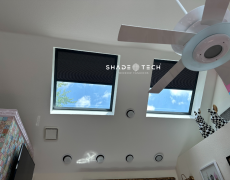


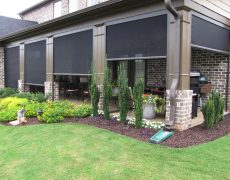

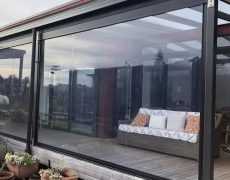



A west-facing clinic lobby at 4 p.m. can tell you more about shade fabric performance than a sample card ever will. Glare reaches reception screens, UV exposure fades furnishings, and solar heat puts added strain on the HVAC system. A well-specified commercial roller shade fabric solves those problems without making the room feel closed off.
This commercial roller shade fabric guide explains what decision-makers, designers, contractors, and facility managers should evaluate before approving a shade package. The right choice depends on the building’s glass, orientation, privacy needs, operating hours, and desired appearance – not simply on whether a fabric is labeled light-filtering or blackout.
Start With the Job the Fabric Must Do
Commercial roller shade fabric is part of a building’s comfort and visual-performance strategy. It can reduce glare at computer stations, protect finishes from UV exposure, improve privacy, and help moderate solar heat gain. However, no single fabric performs every function equally well.
An open-plan office may need daylight and outward visibility, while an imaging room may require complete darkness. A restaurant may prioritize a warm street-facing appearance during service, while a medical clinic may need privacy at exam rooms without sacrificing a clean, professional look. Define the primary function of each elevation and room before narrowing the fabric selection.
For many projects, the most effective approach is to assign fabrics by zone. South- and west-facing perimeter offices often need tighter solar control than interior conference rooms. Executive offices with large views may warrant a more open fabric than workstations facing direct afternoon sun. This level of planning produces better results than applying one fabric to every window because it happened to look good in a showroom.
Understand Openness Factor Before Selecting a Fabric
Openness factor is the percentage of open area in a solar shade fabric. It influences how much view-through, daylight, glare control, and privacy the fabric provides. It is one of the most important specifications in any commercial roller shade fabric guide.
A 1% openness fabric has a tight weave and offers strong glare control and daytime privacy. It is a practical choice for high-sun exposures, media rooms, conference rooms with presentation screens, and spaces where nearby buildings create privacy concerns. The trade-off is a more limited view to the exterior and a somewhat darker room.
A 3% to 5% openness fabric is often the most versatile choice for offices, clinics, and hospitality spaces. It maintains useful daylight and a connection to the outdoors while reducing glare and solar intensity. For many Dallas-Fort Worth commercial interiors, this range offers a strong balance of comfort and visibility.
A 10% openness fabric preserves the clearest outside view and admits more daylight. It can work well on shaded elevations or in spaces where maintaining views is the priority. On broad west-facing glass, however, it may not control afternoon glare sufficiently. Higher openness does not mean lower quality – it simply means the fabric is designed to do a different job.
Match Color to the View, Glare, and Interior Design
Fabric color changes the way a shade looks from both inside and outside the building. It also affects perceived brightness and view-through. Darker fabrics generally provide better outward visibility during daylight because they reduce reflected light on the room side of the shade. Lighter fabrics can make an interior feel brighter and often coordinate easily with light ceilings, walls, and millwork.
For computer-heavy offices, color selection should follow a glare review rather than design preference alone. A pale fabric facing bright glass can create a brighter visual field around monitors. A medium or darker fabric may improve screen comfort while preserving the exterior view.
Exterior appearance matters as well, particularly for restaurants, multifamily amenity areas, medical offices, and street-facing retail. A consistent façade color can make a multi-window installation look intentional from outdoors, even when different openness levels are used inside. This is why commercial fabric selections should be reviewed against both the interior palette and the exterior glazing.
Choose the Right Fabric Construction and Compliance
Most commercial solar fabrics are woven from fiberglass or polyester yarns with a protective coating. These materials are selected for dimensional stability, cleanability, and resistance to fading in high-exposure settings. Fabric construction affects appearance, durability, and how the shade performs over wide windows.
For projects with sustainability requirements, ask about PVC-free, recycled-content, or low-emitting fabric options. These may support project standards and indoor-air-quality goals, but they should still be evaluated for solar performance, color selection, and availability. Sustainable materials are valuable when they meet the actual operational needs of the space.
Fire performance is another essential consideration. Commercial projects may require fabrics that meet NFPA 701 or other applicable fire-test requirements. Requirements can vary by occupancy type, local code, and project specifications, so the fabric documentation should be reviewed early rather than after the shades have been ordered.
Healthcare, food service, and high-traffic environments also benefit from fabrics with practical maintenance characteristics. Smooth, durable surfaces that tolerate routine dusting and spot cleaning can help keep shades presentable without adding a burdensome facility task.
Know When Blackout or Dual Shades Are the Better Choice
Blackout fabric is not simply a darker solar shade. It is designed to block light and is appropriate for spaces such as conference rooms, training areas, audiovisual rooms, patient rooms, and certain laboratory or imaging environments. For the best room-darkening result, the shade system needs side channels, fascia details, and careful mounting conditions that limit light gaps around the fabric.
Dual shades are often the better answer when a room needs two distinct modes. A solar shade can manage glare and heat during normal business hours, while a blackout shade can be lowered for presentations or privacy. This approach is especially useful in conference rooms and hospitality spaces where the room’s function changes throughout the day.
The trade-off is added system complexity and cost. It also requires enough depth for the hardware and a clear plan for controls. When designed correctly, dual shades give commercial spaces more flexibility than asking one fabric to meet incompatible requirements.
Consider Automation at the Fabric-Selection Stage
Motorized roller shades are most effective when fabric performance and controls are specified together. A shade schedule based on time of day, sun exposure, or room use can protect occupants from glare before it becomes disruptive. In a restaurant, shades can lower during the strongest afternoon sun and raise as daylight softens. In offices, perimeter shades can respond by elevation instead of relying on employees to adjust each window manually.
Fabric weight, shade size, roller tube selection, and control strategy all affect motorized performance. Wide contemporary windows may require engineered tube sizes and motors selected for the fabric’s weight and drop. These details matter in commercial projects because a smooth, quiet operating experience depends on the system being properly matched, not just motorized after the fact.
For connected properties, controls may include wall keypads, timers, app control, occupancy-based scenes, or integration with broader automation platforms. ShadeoTech can coordinate fabric, hardware, local manufacturing, installation, and smart-control setup as one system, which helps avoid the handoff issues common when products and controls are sourced separately.
Review Samples Where They Will Actually Be Used
A fabric sample should be tested at the window, not only under showroom lighting. Hold it against the glass at different times of day and look through it while seated at a workstation or table. Check how it handles reflections on screens, whether nearby buildings remain visible, and how the color changes against the glazing.
For a larger project, a mockup shade is often worth the investment. It lets stakeholders test opacity, glare reduction, roller appearance, and mounting details before committing across dozens of openings. This is particularly valuable for clinics, restaurants, and office projects with exposed ceiling conditions or prominent storefront glass.
Professional measurement should follow fabric approval. Window dimensions, mullion placement, trim depth, door clearances, sprinkler locations, and electrical access all influence the final shade design. The fabric may be the visible finish, but the installation details determine whether it performs reliably for years.
The best fabric choice is the one that makes occupants forget about the sun problem it was selected to solve. Specify it around the real conditions at the glass, then give the system the measurement, hardware, and controls required to perform every day.
