

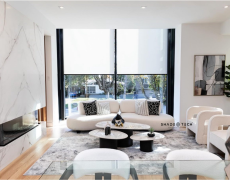

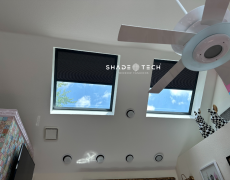



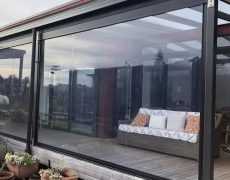



Floor-to-ceiling glass can make a Dallas home feel open, architectural, and full of natural light. It can also turn a living room into a heat trap by midafternoon, wash out a television screen, and expose furnishings to relentless UV. Learning how to shade large windows starts with balancing the benefits of the view against the realities of Texas sun, privacy, and daily comfort.
The best solution is rarely a standard, off-the-shelf blind. Large openings require precise measurements, appropriately engineered fabrics and hardware, and a plan for how the shades will operate at height. The right system should look intentional when open, perform reliably when closed, and make the room easier to live in every day.
Start With What the Window Needs to Solve
Before choosing a style, identify the primary job your shades need to do. A west-facing wall of glass in a Dallas-Fort Worth great room has different requirements than a north-facing office window or a sliding glass door leading to a patio.
Heat control is often the first concern. Solar heat gain through oversized windows can make certain rooms difficult to cool and force HVAC systems to work harder during long North Texas summers. In that case, a solar screen shade or a layered shade system can reduce direct solar exposure while preserving daylight and a degree of outward visibility.
Glare is different from heat, though the two often arrive together. A media room, kitchen, restaurant dining area, or medical clinic may need to soften harsh daylight without making the space dark. Light-filtering roller shades provide an even, refined appearance while helping reduce screen glare. For rooms that need true darkness, such as bedrooms, conference rooms, or presentation spaces, blackout fabrics and carefully designed side channels offer much stronger light control.
Privacy also changes the equation. A shade fabric that provides a clear view out during the day may reveal interior activity after dark when the lights are on. In homes with close neighbors or commercial spaces facing a parking lot, pairing a solar shade with a secondary privacy layer is often the more practical choice.
Choose the Right Shade Type for Large Windows
Large windows place more demand on a shade system than standard-sized openings. The fabric must hang cleanly, the roller tube must be sized for the span and weight, and the mounting surface must support the hardware securely. Product selection should be based on the opening’s dimensions, orientation, use, and architectural details.
Solar roller shades for view and heat reduction
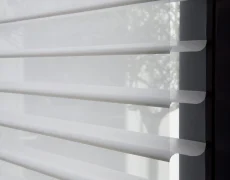
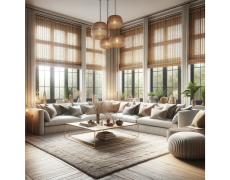
Solar roller shades are a strong fit for expansive windows with a view worth keeping. Their openness factor determines how much light and visibility pass through the fabric. A lower openness percentage provides more solar control and privacy, while a higher percentage retains a clearer view and more daylight.
For a sun-exposed living space, solar fabrics can reduce glare and help protect flooring, artwork, upholstery, and wood finishes from UV exposure. They deliver a clean, minimal profile that complements contemporary glass walls and can disappear into a recessed pocket or fascia when raised.
The trade-off is nighttime privacy. Solar shades are excellent during daylight hours, but they are not a substitute for blackout or privacy shades after sunset.
Dual shades for day-to-night flexibility
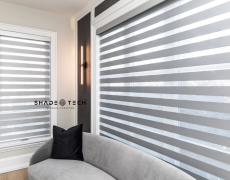
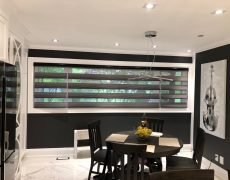
A dual shade system combines two fabrics in one window treatment, typically a solar or light-filtering shade paired with a blackout shade. This configuration gives homeowners and commercial operators control without adding visual clutter.
During the day, the solar layer manages heat and glare while maintaining the view. At night, the blackout layer provides privacy and stronger light blockage. Dual shades work especially well in bedrooms, media rooms, large street-facing windows, and hospitality settings where conditions change throughout the day.
Cellular shades for insulation
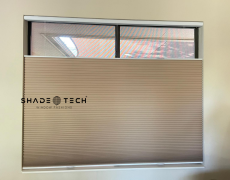
Cellular shades use a honeycomb-shaped fabric construction that creates air pockets at the window. This can improve insulation and help moderate room temperatures, making them useful for bedrooms, studies, and spaces where energy efficiency matters as much as the view.
They are not always the first design choice for very wide, modern glass walls. Depending on the width, multiple shades may be needed, creating visible divisions between panels. For some homes, that is an acceptable compromise for added insulation. For others, roller shades offer the cleaner architectural result.
Drapery and layered treatments for softness
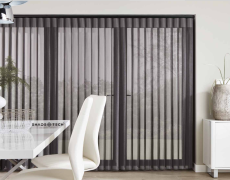
Custom drapery can bring warmth, acoustical softness, and substantial light control to a large opening. When paired with motorized roller shades, drapery creates a layered treatment that performs well and feels tailored rather than purely functional.
This approach is particularly effective in formal living rooms, bedrooms, hotel-style interiors, and spaces with tall ceilings. It does require enough wall or ceiling space for the track, stack-back, and fabric fullness. On a narrow glass wall, a low-profile shade may be the better fit.
Exterior screens for patios and intense exposure
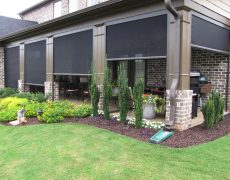
When the sun is hitting exterior glass directly, stopping it before it reaches the window can be highly effective. Motorized exterior screens are designed for patios, outdoor kitchens, covered living areas, and large openings that need solar control, insect protection, or added privacy.
Exterior systems need durable materials, secure guides, and professional installation that accounts for wind exposure and the structure around the opening. They are a performance-driven option for North Texas outdoor spaces, not simply an interior shade moved outside.
How to Shade Large Windows With Motorization
Manual shades can work on a moderate-sized window, but large or high windows quickly expose their limitations. Reaching across furniture, using a wand from a ladder, or leaving shades in one position all day defeats the purpose of having adjustable light control.
Motorized shades make oversized openings practical. A single command can lower multiple shades to control afternoon heat, raise them for a morning view, or close bedroom shades on a schedule. For multi-panel window walls, motors also help keep every shade aligned at the same height, which matters visually in a carefully designed room.
Smart-home integration extends that convenience. Shades can be grouped by room, scheduled around sunrise and sunset, and controlled through Alexa, Google Home, Apple HomeKit, or Matter-compatible systems. Automation is especially valuable for upper-story windows, commercial lobbies, restaurants, clinics, and homes that are unoccupied during peak afternoon sun.
The goal is not automation for its own sake. It is a more comfortable room that responds before glare hits the screen or heat builds across the floor.
Measure and Mount for Long-Term Performance
Large-window shading is a precision installation, not a rough estimate. Even a slight measurement error can create uneven light gaps, interfere with a door handle, or leave a shade roller looking out of level across a wide span.
Professional measurement evaluates more than width and height. The installer should inspect mounting depth, window trim, drywall conditions, header construction, obstructions, mullions, handles, ceiling height, and electrical access for hardwired motors. For recessed shades, the available pocket depth determines whether the fabric can sit cleanly within the opening. For outside mounts, the shade must cover enough beyond the glass to reduce side light leakage.
Very wide openings may require multiple independently operated shades instead of one oversized panel. That is not necessarily a compromise. Properly divided shades can improve reliability, maintain a cleaner fabric appearance, and make future servicing easier. The key is aligning panel breaks with mullions or architectural lines so the treatment looks deliberate.
Select Fabrics and Colors for the Room, Not Just the Sample
A fabric sample is useful, but large windows amplify its effect. A bright white fabric may look crisp in a showroom yet create noticeable reflected light in a media room. A dark solar fabric can offer excellent outward clarity and glare reduction, but it may absorb more heat at the glass. The right choice depends on the window orientation, room function, and the desired balance of daylight and view.
Neutral colors usually provide the longest design life and work naturally with changing furnishings. Texture can add depth without the visual weight of patterned drapery. In commercial settings, durable, easy-to-maintain fabrics with consistent light performance are often the smarter long-term investment.
For Dallas-area projects, material quality matters. Fabrics, hardware, and motors should be selected for repeated use and sustained exposure to strong sun. Custom manufacturing also allows the treatment to be built around the actual opening rather than forcing a large window into standard retail dimensions.
Plan the System Before Construction Is Finished
If you are building or renovating, window shading should be considered before drywall and trim are complete. This is the time to plan recessed shade pockets, power locations, ceiling-mounted tracks, and control wiring. Those details create a more polished final result and avoid visible cords, surface raceways, or last-minute compromises.
For existing homes, battery-powered motors and carefully planned mounting solutions can still deliver excellent results without major electrical work. ShadeoTech can evaluate the window conditions, recommend the right control approach, and manufacture a system locally for the dimensions and demands of the space.
Large windows should never force you to choose between the view and comfort. With the right fabric, mounting strategy, and automation plan, the glass remains a defining feature of the room while the heat, glare, and privacy concerns become far easier to manage.
