

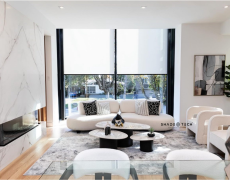

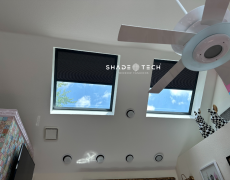



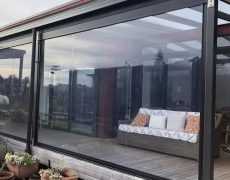



A west-facing wall of glass can turn a beautiful Dallas-Fort Worth living room into the least-used room in the house by late afternoon. The right sun control guide starts with more than choosing a fabric color. It considers the direction of the windows, the type of glass, the room’s purpose, the view you want to preserve, and how much control you want from your smart home.
For North Texas homes, effective sun control is a comfort system. Custom shades, shutters, and exterior screens can reduce harsh glare, limit solar heat gain, protect furnishings from UV exposure, and make large windows feel as functional as they look. The best solution is rarely one product throughout the entire house. It is a tailored combination built around how each space receives sunlight.
What Sun Control Actually Solves
Sunlight creates different problems at different times of day. Morning light may make an east-facing kitchen uncomfortable at breakfast. Afternoon sun can overheat a west-facing media room, wash out a television screen, and fade flooring near a patio door. South-facing windows receive consistent exposure that calls for dependable, everyday management.
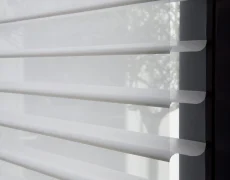
A quality shading system addresses four connected concerns: heat, glare, UV exposure, and privacy. They overlap, but they are not identical. A sheer shade may soften glare while preserving daylight and a view, yet it will not provide the darkness needed for a nursery or dedicated media room. A room-darkening roller shade can significantly improve comfort, while an exterior screen may be the stronger choice for a covered patio exposed to direct afternoon sun.
The goal is not to block every ray of light. Natural light remains one of the most valuable features of a well-designed home. The goal is to control it precisely, so your rooms stay comfortable and your windows work on your schedule.
Sun Control Guide: Start With Window Exposure
Window orientation is one of the most useful starting points for selecting a shading solution. It helps determine whether you need gentle light diffusion, stronger solar protection, room darkening, or a combination of those capabilities.
East-facing windows
East-facing windows receive intense, low-angle morning sun. Kitchens, bedrooms, and breakfast areas often benefit from light-filtering shades that reduce glare without making the room feel closed off. Motorized shades are especially practical here because they can lower automatically before the sun reaches the room, then raise after the strongest exposure passes.
West-facing windows
West-facing glass is frequently the toughest challenge in North Texas. The late-day sun arrives when outdoor temperatures are already high, and it can create uncomfortable heat on floors, seating, and nearby walls. Solar shades, dual shades, room-darkening fabrics, or exterior solar screens are common choices, depending on whether view preservation is a priority.
For a west-facing family room with a view, a solar shade can manage glare and heat while retaining an outward sightline. For a bedroom that receives the same exposure, a blackout or room-darkening shade may be the better fit.
South-facing windows
South-facing windows often receive the most consistent sunlight throughout the year. The right fabric openness and color matter here. Solar fabrics are available in different openness levels, which affect how much light enters and how much of the view remains visible. Lower openness usually provides stronger glare and solar control, while higher openness preserves more visibility.
North-facing windows
North-facing windows generally receive softer, indirect light. They may need less aggressive solar protection, but privacy, design continuity, and insulation can still guide the choice. This is often where lighter fabrics, woven shades, or shutters can support the overall interior design without overcorrecting for sun.
Choose the Right Type of Shade or Screen
Custom window treatments should match the demands of the room, not just the style of the window. Large contemporary openings, tall ceilings, corner glass, and sliding doors require precise measurement and properly specified hardware to operate reliably over time.
Solar shades for view and glare control
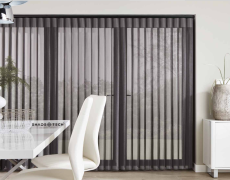
Solar roller shades are designed for spaces where preserving the view matters. Their technical fabrics filter light, reduce glare, and help limit solar heat gain while maintaining a clean, architectural appearance. They work especially well in living rooms, home offices, dining areas, commercial offices, restaurants, and clinics with expansive glazing.
Fabric color affects performance and appearance. Darker solar fabrics typically provide clearer outward visibility during daylight hours, while lighter fabrics can brighten a room and complement softer interior palettes. The right choice depends on the exposure, the desired look, and how much visual connection to the outdoors you want.
Dual shades for flexible daytime and nighttime control
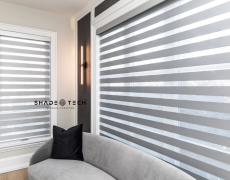
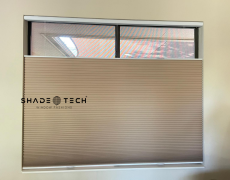
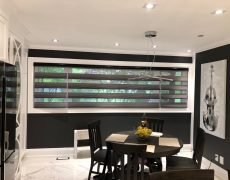
Dual shades combine a light-filtering or solar layer with a room-darkening layer in one coordinated system. During the day, use the front layer to soften the sun. At night, lower the opaque layer for privacy and darkness.
This is a strong option for bedrooms, multipurpose rooms, and open-plan spaces where one level of light control is not enough. It costs more than a single shade, but the added flexibility often avoids compromises that homeowners regret later.
Blackout and room-darkening shades for rest and media
Blackout shades are built for spaces where light reduction is the priority, including bedrooms, nurseries, media rooms, and conference spaces. However, the word “blackout” needs context. A standard roller shade can use an opaque fabric, but light can still enter around the sides unless the installation includes side channels or a carefully designed recessed condition.
For the darkest result, specify the product and installation details together. Window shape, mounting location, valance design, and side gaps all influence the final outcome.
Shutters for architectural control and durability
Interior shutters offer adjustable light control through louvers, with a tailored look that suits both traditional and contemporary homes. They are a practical choice for rooms that need privacy and filtered daylight but do not require complete room darkening.
Because shutters are fitted to the opening, precision measurement is essential. Quality materials and professional installation matter even more on large windows, high-traffic areas, and openings exposed to regular Texas sun.
Exterior screens for patios and sun-facing openings
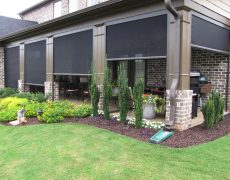
Exterior solar screens stop a meaningful amount of sunlight before it reaches the glass or patio area. That makes them particularly effective for covered patios, outdoor kitchens, poolside living spaces, and large openings exposed to afternoon sun.
They can improve daytime comfort, reduce insects in outdoor entertaining areas, and add privacy without permanently closing off the space. Wind exposure, mounting conditions, and the size of the opening must be evaluated carefully, since outdoor systems need durable components and correct installation to perform well.
Why Motorization Makes Sun Control More Effective
The most capable shade is only useful when it is used consistently. Motorization removes the small daily friction that leads to shades staying open during the hottest part of the day or remaining closed long after the sun has moved.
Automated shades can follow schedules based on the room and exposure. West-facing shades can lower in the afternoon. Bedroom shades can raise gradually in the morning. A patio screen can deploy before guests arrive. With compatible smart-home systems, controls can be managed by wall keypad, app, voice assistant, or automation platform such as Alexa, Google Home, Apple HomeKit, and Matter-enabled systems.
Automation should feel dependable rather than complicated. For that reason, professional setup matters. A properly planned system considers power access, battery versus hardwired operation, grouping, control locations, and the behavior you want during everyday routines. Hardwired motorization is often ideal for new construction and major renovations, while rechargeable battery systems can be an excellent option for finished homes where opening walls is not desirable.
Do Not Treat Every Window the Same
Uniformity is appealing, especially in open-concept homes, but performance requirements can vary significantly from one elevation to another. A single fabric or product can create a coordinated visual language, while different opacities, liner options, or control methods handle the needs of individual rooms.
For example, a home may use matching solar shades across a main living area, room-darkening dual shades in bedrooms, and motorized exterior screens on the patio. The result feels intentional, not pieced together. In commercial settings, the same approach can help a clinic reduce waiting-room glare while providing privacy in treatment rooms, or help a restaurant manage sunset exposure without losing its atmosphere.
This is also why accurate measurement cannot be treated as an afterthought. Large windows can reveal even minor alignment issues. Custom manufacturing allows the shade dimensions, mounting method, fabric, and operating system to be specified for the actual opening rather than forced into a retail size range.
Plan for More Than the Immediate Problem
Heat reduction may be the first reason to add sun control, but long-term value often comes from the combined effect. Filtered light helps protect wood floors, upholstery, artwork, and finishes from fading. Controlled glare makes offices and living areas easier to use. Automated schedules can reduce the need to constantly adjust coverings by hand.
Still, shading is not a substitute for every building-performance issue. If a room has failing seals, poorly insulated glass, or significant air leakage, window treatments alone cannot solve the underlying problem. They are a highly effective layer of control, particularly when paired with well-performing windows and thoughtful HVAC design.
The strongest results come from evaluating the full room: how the sun moves across it, when it is used, what needs protection, and how the controls should work. ShadeoTech approaches that process with local manufacturing, precision measurement, professional installation, and smart-home configuration designed for the way North Texas homes actually live.
A well-planned shading system should disappear into your routine. The room stays cooler, the glare eases, the view remains available when you want it, and the windows become an asset at every hour of the day.
