






A strong restaurant shading example is not a row of umbrellas placed outside at opening time. It is an outdoor comfort system designed around where the sun moves, how guests use the patio, and what staff need to operate quickly. In Dallas-Fort Worth, that difference is felt at lunch, through hot summer afternoons, and during the shoulder seasons when a shaded patio can add meaningful revenue.
For restaurants, shade affects more than appearance. It determines whether a guest chooses a patio table, whether a server can work comfortably, and whether food and drinks hold up in direct sun. The right system should look intentional from the street while providing dependable heat, glare, and UV control day after day.
A Restaurant Shading Example Built for a Busy Patio
Picture a modern restaurant with a west-facing patio, glass storefront, and seating for 45 guests. From 3 p.m. onward, the low afternoon sun cuts across tables, heats metal chairs, and creates glare inside the dining room. Standard market umbrellas cover a few tables but leave gaps as the sun angle changes. They also need to be closed during high winds and moved by staff throughout service.
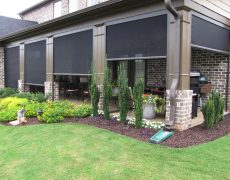
A more effective approach combines a fixed overhead structure with motorized exterior screens along the exposed perimeter. The overhead shade handles the strongest midday sun, while the screens lower when the western glare begins. Guests retain an outward view through solar mesh, but the patio becomes noticeably more usable because the screen filters direct light and reduces radiant heat.
The system can be programmed around operating hours or controlled from a wall switch, handheld remote, or smart-device interface. At closing, screens retract into clean housings that preserve the architecture of the patio. This is a practical restaurant shading example because it considers the full operating environment, not just the look of the outdoor seating area.
Why Exterior Shading Performs Better in Direct Sun
When sunlight strikes glass, concrete, furniture, and diners before it is blocked, heat has already entered the space. Exterior shades stop much of that solar load before it reaches the patio or interior windows. For a restaurant with broad glass walls, this can also reduce hot spots near the dining room perimeter.
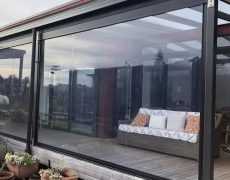
Solar screen fabrics are selected by openness factor, color, and performance needs. A tighter weave offers more privacy and glare reduction, while a more open weave preserves stronger views and daylight. Neither option is universally better. A rooftop bar with skyline views may prioritize visibility, while a medical-clinic-adjacent café or a patio facing a busy street may need greater privacy and sun control.
Color matters as well. Darker screen fabrics typically provide clearer outward views by reducing reflected light, while lighter fabrics can better complement a pale façade and may feel brighter from the patio. The right selection should be reviewed against the restaurant’s architecture, brand standards, orientation, and actual exposure at different times of day.
Choosing the Right System for the Space
Restaurants rarely need one product across every exterior opening. A covered patio may benefit most from motorized screens. An open dining terrace may need a pergola or louvered roof for overhead coverage. A front elevation with strong morning sun might use fixed awnings, while a private-event room with large windows may require interior motorized shades for glare management.
Motorized Exterior Screens
Motorized outdoor screens are often the most flexible solution for patios, breezeways, and retractable wall openings. They deploy when sunlight, wind, or privacy calls for coverage and disappear when the weather is comfortable. Professional tension-guided systems keep fabric aligned and reduce side gaps, creating a cleaner and more durable installation than loose, manually operated shades.
For restaurant operators, motorization reduces staff burden. A manager can lower multiple screens at once instead of assigning someone to wrestle with umbrellas or crank individual shades during a rush.
Fixed Awnings and Canopies
Awnings are a strong choice where shade is needed consistently and the architectural style supports a permanent projection. They provide reliable coverage over walkways, order windows, and storefront seating, with no daily adjustment required. The trade-off is less flexibility. A fixed awning cannot open up for an evening event, changing weather, or a desired view.
Pergolas and Louvered Roofs
For a larger patio investment, a pergola or motorized louvered roof can define an outdoor dining zone and provide meaningful overhead sun control. Adjustable louvers give operators more command over light and airflow than a solid roof. These systems require careful structural planning, drainage considerations, and appropriate integration with lighting, fans, heaters, and electrical service.
Interior Shades for Window-Facing Tables
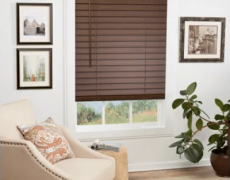
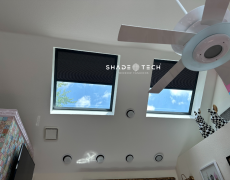
Interior solar shades remain valuable when the issue is glare through storefront glazing rather than direct patio exposure. They protect interior diners, reduce UV fading on furnishings, and help staff see point-of-sale screens near windows. For restaurants with multiple orientations, interior and exterior systems often work better together than either one alone.
Design Around Sun Angles, Not Just Square Footage
The most common shading mistake is specifying coverage based only on the size of the patio. Solar exposure changes throughout the day and across seasons. A compact east-facing patio may have a short but intense breakfast problem. A west-facing patio often needs vertical protection late in the day, when overhead shade no longer blocks low-angle sun.
A site consultation should identify the sun path, prevailing winds, ceiling heights, mounting surfaces, access for electrical work, and possible conflicts with signage, fire features, or landscaping. It should also account for how tables are actually arranged. Shade that falls behind the seating area at peak service is not solving the operational problem.
This is where custom measurement matters. Off-the-shelf products can leave awkward gaps, interfere with doors, or look undersized against a large commercial façade. Made-to-measure systems allow the housing, guides, fabric, and controls to be tailored to the opening rather than forcing the opening to accept a standard size.
Automation Should Make Service Easier
Smart shading is especially useful in restaurants because conditions change quickly while staff attention is elsewhere. Timed scenes can lower screens before afternoon service, raise them after sunset, and keep the patio presentation consistent without daily guesswork. Sun sensors can support automatic response, though they should be programmed thoughtfully so a passing cloud does not create distracting movement during a meal.
For premium hospitality spaces, controls can also be grouped by zone. The bar-side screens may need to deploy earlier than the screens near a covered dining area. Private-event patios may need separate controls from the main restaurant. Integration with compatible smart platforms can give managers a simple control point, but a dedicated wall control should remain available for dependable on-site operation.
Automation is not a substitute for good design. It works best when the system already has the right fabric, placement, and mounting strategy for the building.
Specify for Texas Heat, Wind, and Daily Use
North Texas weather asks more from restaurant shading than mild-climate installations. Materials need to withstand intense UV exposure, summer heat, sudden storms, and repeated daily cycles. Commercial-grade hardware, stable fabric construction, properly engineered mounting, and professional electrical coordination are essential for long-term performance.
Wind deserves particular attention. Screens and umbrellas are not interchangeable, and each product has different operating limits. A responsible design includes clear procedures for severe weather, suitable mounting surfaces, and systems appropriate for the exposure level. Patios in dense urban settings may behave differently from open suburban corners where gusts move through freely.
Local manufacturing and installation also create a practical advantage when a project requires precise dimensions, finish coordination, or service support. ShadeoTech manufactures custom solutions in Carrollton and approaches commercial shading as a measured, installed system rather than a boxed product.
Build Shade Into the Guest Experience
The best outdoor restaurant spaces do not feel like diners have been moved into a covered waiting area. They feel comfortable enough that people choose them. Shade should support the restaurant’s lighting, views, furniture, service flow, and architecture while protecting guests from the conditions that make patios hard to enjoy.
Start with the hours when the patio is least usable, then design for those moments. A carefully specified shading system can turn the table everyone avoids at 4 p.m. into one of the most reliable seats in the house.
