

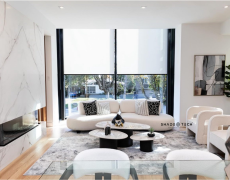
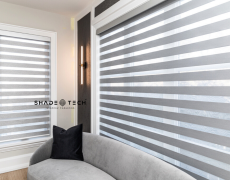
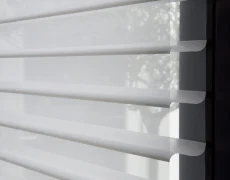
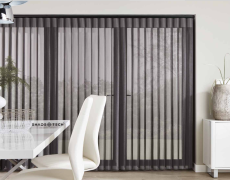
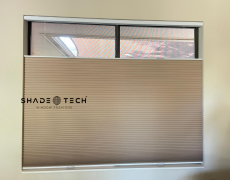

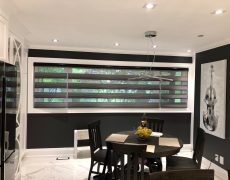
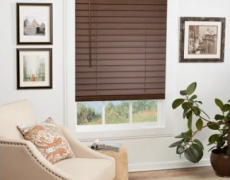
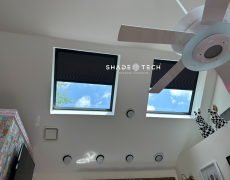


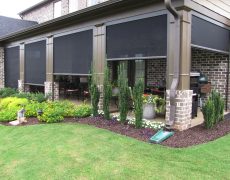

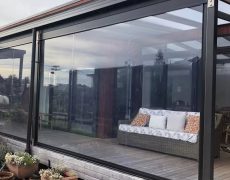



At 3 p.m. on a North Texas afternoon, a beautiful wall of glass can turn a bedroom, media room, or west-facing living area into the hottest room in the house. Blackout roller shades give homeowners a clean architectural way to take control of that light and heat without covering the window in heavy drapery.
The right system does more than darken a room. It helps protect flooring and furnishings from UV exposure, supports more consistent indoor comfort, and can operate on a schedule or through a preferred smart-home platform. For Dallas-Fort Worth homes with oversized windows, high ceilings, and demanding sun exposure, the details behind the shade matter as much as the fabric itself.
What blackout roller shades actually do
A blackout roller shade uses an opaque fabric designed to stop light from passing through the material. When lowered, it creates a darkened environment that is especially useful in bedrooms, nurseries, media rooms, and spaces where glare interferes with work or screen visibility.
There is an important distinction between blackout fabric and a fully darkened room. Standard roller shades are installed within or above a window opening, so small light gaps can remain at the sides, top, or bottom. For many homeowners, that is completely acceptable. The room becomes substantially darker, and the clean roller-shade profile remains intact.
For customers who want the strongest possible room-darkening performance, the system should be specified as a complete assembly. A cassette can conceal the roller and reduce top light leakage, while side channels can narrow or eliminate the light gaps along the window frame. Precise measurement is critical, particularly on large openings or windows that are not perfectly square.
Where blackout shades make the biggest difference
Bedrooms are the most common application, especially for households with early bedtimes, shift workers, young children, or strong morning sun. A properly designed blackout system helps create a more dependable sleep environment without requiring curtains that compete with a modern interior.
Media rooms benefit just as clearly. Daytime movies, sports, gaming, and presentations look better when reflections on the screen are controlled. Blackout roller shades can lower at the touch of a button before a movie starts, then raise again when the room is ready for natural light.
They also perform well in home offices and multipurpose rooms. While some offices may be better served by solar shades that preserve an outside view, blackout fabric is a smart choice where privacy, presentation viewing, or complete glare reduction takes priority.
Commercial spaces have similar needs. Medical clinics may use blackout shades in treatment rooms, imaging spaces, and private offices. Restaurants can use them to manage harsh afternoon glare and maintain a more comfortable guest experience. Builders and designers often specify them for contemporary homes where wide glass panels need high-performance coverage without visual bulk.
Light control is only part of the value
Dallas heat places a real demand on glass-heavy homes. Direct sunlight can make a room uncomfortable long before the thermostat changes, particularly when sunlight strikes a floor, sofa, or interior wall for several hours. Blackout fabrics block solar radiation at the window and help reduce the intensity of that heat gain.
They are not a replacement for quality windows, insulation, or a properly designed HVAC system. Still, they are a practical part of a larger comfort strategy. By limiting direct solar exposure, they can make sun-facing rooms easier to use and reduce the tendency to overcool the rest of the house just to compensate for one hot area.
UV protection is another meaningful benefit. Sunlight can fade hardwood, textiles, artwork, cabinetry, and leather over time. A blackout shade provides a strong barrier when the room is not in use or when sun exposure is at its peak. For valuable interiors and large-window layouts, that protection is a design decision as much as an energy decision.
Choosing the right blackout roller shade system
Fabric color affects the look of the room when the shade is raised, but it does not change the core blackout function as much as many homeowners expect. Both light and dark blackout fabrics can effectively block light through the material. The best choice usually comes down to the room palette, the desired architectural contrast, and how the shade looks from inside and outside the home.
The mounting style deserves equal attention. An inside mount creates a refined, built-in appearance, but it depends on sufficient depth and a reasonably square window opening. An outside mount can cover more of the opening and reduce edge light, making it a strong option for shallow frames or situations where maximum darkness matters.
For exceptionally wide windows, it may be better to use multiple coordinated shade panels rather than push one roller beyond its ideal size. Multiple shades can maintain smooth operation, improve fabric alignment, and make the system easier to service over time. The visual result can still be minimal, especially when a properly scaled fascia or cassette unifies the installation.
Consider dual shades when daytime views matter
Blackout is not always the best setting for every hour of the day. A dual-shade system pairs a solar screen fabric with a blackout shade in the same window. During the day, the solar shade helps manage glare, heat, and UV exposure while retaining a filtered view outside. At night, or when complete privacy is needed, the blackout layer takes over.
This combination is especially effective in living rooms, primary suites, and offices with scenic views. It costs more than a single shade, but it gives the room two distinct performance modes rather than forcing a choice between full daylight and full darkness.
Why motorization changes the experience
A manually operated blackout shade can perform well, but motorization makes it far more likely that the shades will be used consistently. This is particularly true for tall windows, hard-to-reach openings, and rooms with several shades that need to move together.
With a motorized system, homeowners can lower shades automatically before the strongest afternoon sun reaches a west-facing room. They can set bedroom shades to rise gradually in the morning, close every blackout shade from one bedside remote, or include them in an evening routine. Smart shades can also be integrated with Alexa, Google Home, Apple HomeKit, and compatible Matter-enabled systems, depending on the selected controls.
Automation should be designed around the household, not added as a novelty. A media room may need one command that closes shades, dims lights, and starts a viewing mode. A family may want a simple schedule tied to sunrise, sunset, or the hottest part of the day. The most successful systems remain easy to operate manually through a wall control, remote, or app when needed.
Precision installation protects performance
Blackout roller shades are simple in appearance, but their performance depends on accurate field conditions. Window openings can vary slightly from one side to the other. Trim may not be level. Large spans require the right mounting hardware, correct bracket placement, and a roller system sized for the fabric weight and opening width.
A professional consultation identifies these details before manufacturing begins. It also confirms power options for motorization, whether battery, plug-in, or hardwired control makes the most sense, and how the shade should coordinate with existing trim, drapery, or smart-home equipment.
ShadeoTech manufactures custom systems locally in Carrollton and installs them with the same attention to fit, alignment, and automation setup. That factory-direct approach is particularly valuable when a project includes several large windows or requires a coordinated solution across bedrooms, living areas, and exterior-facing spaces.
A cleaner answer to difficult light
Blackout roller shades work best when they are selected for the room’s actual problem: sleep-disrupting sunrise, intense west sun, screen glare, privacy, or a need for on-demand darkness. The fabric matters, but so do cassette options, side gaps, mounting conditions, motor selection, and professional measurement.
For a Dallas home built around expansive glass and modern lines, the right blackout system can make bright rooms comfortable on your schedule while preserving the clean, tailored look that made those windows worth choosing in the first place.
