

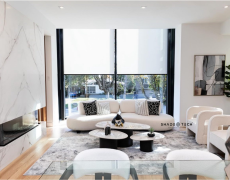
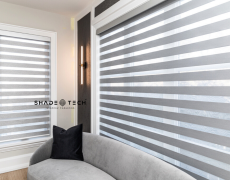
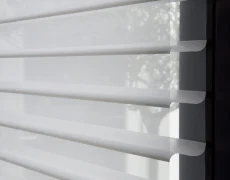
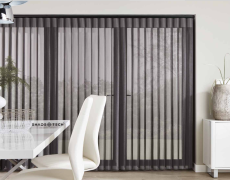




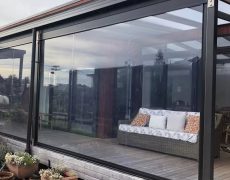



Floor-to-ceiling glass can make a Dallas home feel strikingly open – until the afternoon sun turns the room into the warmest spot in the house. Designer roller shades solve that problem without adding visual bulk. Built around the exact window, fabric, and control preferences of the space, they deliver a clean architectural look while managing glare, UV exposure, privacy, and heat gain.
For homeowners, builders, restaurants, clinics, and commercial spaces, the best roller shade is not simply a fabric on a tube. It is a precisely specified system that has to look right, operate reliably, and perform in the North Texas climate.
What Makes Designer Roller Shades Different?
A designer roller shade is defined less by a label and more by the decisions behind it. The shade should be measured for the actual opening, not selected from a standard width. Its fabric should match how the room is used. Its hardware should suit the scale of the window, and its controls should feel effortless for the people using the space every day.
That distinction matters most in homes with expansive windows, high ceilings, open-concept rooms, and strong western or southern exposure. A ready-made shade may cover glass, but it can leave light gaps, look undersized, struggle with larger spans, or create an uneven finish from one window to the next. Custom systems create a more intentional result because each window treatment is planned as part of the room.
The design advantage is restraint. Roller shades sit close to the glass and roll into a compact profile when raised. They complement contemporary interiors, but they also work well in transitional homes where shutters or drapery would feel too heavy. With the right fabric and fascia, the system can blend quietly into the architecture or become a tailored visual detail.
Choose the Fabric Around How the Room Works
Fabric selection has the greatest effect on daily performance. Color, openness, texture, and opacity each change what the shade does after the sun comes up.
Solar screen fabrics for views and glare control
Solar screen fabrics filter sunlight while maintaining an outward view during the day. They are an excellent fit for living rooms, kitchens, offices, and commercial spaces where people want to soften glare without closing off the room. Openness factors determine how much visibility and light pass through the weave.
A more open fabric preserves a clearer view but allows more light into the space. A tighter weave provides stronger glare and heat control, though the view becomes more muted. For Dallas-Fort Worth homes with large sun-facing glass, the right solar fabric can make a room noticeably more comfortable while protecting flooring, artwork, furnishings, and finishes from UV exposure.
Blackout fabrics for privacy and sleep
Bedrooms, media rooms, nurseries, treatment rooms, and conference spaces often need more than filtered light. Blackout roller shades block light through the fabric itself and create a controlled setting for sleep, presentations, and privacy.
There is one practical consideration: a blackout fabric does not automatically mean a completely dark room. Light can still enter around the edges of the shade if the system is mounted outside the opening or if side channels are not used. For clients who want the darkest possible result, the mounting method, cassette, and side-gap strategy should be specified from the beginning.
Decorative fabrics for a softer finish
Roller shade fabrics are no longer limited to flat white or gray screens. Today’s collections include linen-inspired weaves, subtle textures, warm neutrals, and architectural patterns that add depth without competing with furniture or finishes. This is particularly useful in dining rooms, hospitality spaces, waiting areas, and homes where the window covering needs to contribute to the design even when lowered.
Lighter colors generally reflect more solar energy and keep a room feeling bright. Darker colors can offer a stronger outward view through screen fabric during daylight, but they may absorb more heat. The best choice depends on the exposure, glass type, interior palette, and desired atmosphere.
Smart Control Changes the Everyday Experience
The real luxury of motorized roller shades is not the remote. It is removing small daily friction from the home.
A shade can lower automatically before direct afternoon sunlight reaches a west-facing family room, then raise in the evening to restore the view. Bedroom shades can open on a weekday schedule rather than relying on an early-morning alarm. In a restaurant or clinic, a manager can adjust a row of shades together to reduce glare for guests and staff without walking window to window.
Professional smart shade systems can be integrated with Alexa, Google Home, Apple HomeKit, and Matter-enabled ecosystems when the selected motors and controls support the desired platform. The best setup depends on the home’s existing smart-home infrastructure, Wi-Fi conditions, power access, and the level of automation the owner wants.
Battery-powered motors are often a practical choice for finished rooms where wiring is difficult. They offer a clean installation and can perform well with normal charging or optional solar charging in appropriate locations. Hardwired systems are usually the stronger long-term choice for new construction, major remodels, large shade groups, and high-use commercial spaces. They eliminate routine charging and provide dependable power for ambitious automation plans.
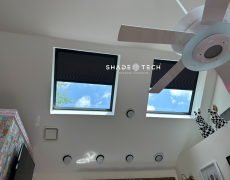
Motorization also improves access. Tall windows, stairwells, skylights, and furniture-heavy rooms are difficult to manage with manual shades. Automation makes those windows usable rather than decorative-only.
Design Details That Determine the Finished Look
A well-designed roller shade installation depends on more than fabric. Small decisions create the difference between a polished built-in appearance and a window treatment that feels added later.
Inside mounts place the shade within the window frame for a crisp, minimal profile. This approach works best when the opening has enough depth and is reasonably square. Outside mounts can cover more glass, reduce edge light, and work around shallow frames or obstructions. For wide contemporary windows, a carefully planned outside mount may also create a more unified elevation.
The roller can remain exposed for a minimalist look, or it can be concealed by a fabric-wrapped cassette, metal fascia, or recessed pocket. Recessed pockets are especially effective in new construction because they let the shade disappear into the ceiling line when raised. They require early coordination with the builder, electrician, drywall team, and window schedule.
For large openings, one oversized shade is not always the best answer. Depending on the fabric weight, window width, and motor capacity, multiple aligned shades may operate better and provide more reliable long-term performance. The visual result can still be clean when the system is planned around mullions and architectural lines.
Why Local Measurement and Installation Matter
A roller shade system is only as accurate as its measurements. Windows are rarely perfectly square, especially in older homes, and large spans can reveal even small inconsistencies. Professional measurement accounts for frame depth, handles, trim, ceiling details, obstructions, mounting surfaces, electrical access, and the way fabric will track as it rolls.
Installation also affects performance. Brackets must be anchored correctly, shades need to be leveled, fabric should roll evenly, and motors require precise programming. Smart-home scenes, voice control, room groups, and schedules should be tested before the project is complete.
ShadeoTech manufactures and installs custom systems locally in the Dallas area, which helps keep the process coordinated from design consultation through final setup. For homeowners and project teams, that means less handoff between a retailer, an outside installer, and a separate automation provider.
Where Designer Roller Shades Deliver the Most Value
Designer roller shades are especially effective in spaces where daylight is desirable but uncontrolled sun is not. Living rooms with large glass walls, kitchens facing west, home offices with screen glare, and bedrooms that need better sleep conditions are obvious examples.
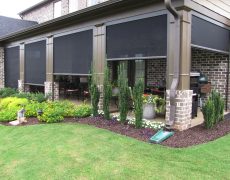
They are equally valuable in commercial settings. Medical clinics can create privacy and reduce harsh light in patient areas. Restaurants can manage solar glare at street-facing tables while preserving their daytime views. Builders and designers can use recessed, motorized shades to give a new home a finished, technology-ready feel without relying on bulky window treatments.
The investment makes the most sense when the system is selected for a specific performance goal. If the priority is view preservation, choose solar fabric and thoughtful automation. If privacy is the concern, focus on opacity, coverage, and mounting. If the home has intense exposure, coordinate fabric selection with glass orientation and scheduling. A premium shade should solve the actual problem, not just decorate the window.
The right designer roller shade becomes almost invisible in the best way: sunlight is controlled, rooms stay more comfortable, privacy is available when needed, and the architecture remains the focus.
