

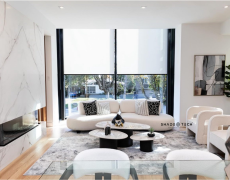
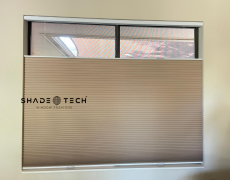

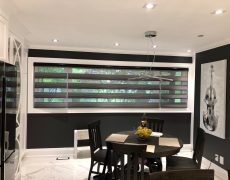
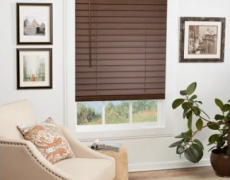
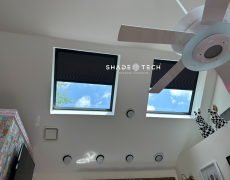


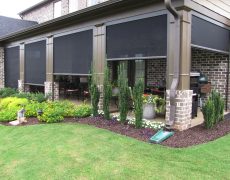

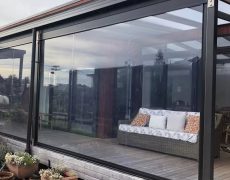



A wall of west-facing glass can make a beautiful Dallas living room difficult to use by midafternoon. Glare takes over the television, furniture absorbs UV exposure, and the room holds heat long after sunset. Luxury roller shades address that problem without interrupting the clean architectural lines that made those windows appealing in the first place.
The difference is not simply a more expensive fabric. A well-designed roller shade system combines precisely selected materials, measured installation, refined hardware, and automation that works when the sun is at its strongest. For North Texas homes and commercial spaces, that combination turns window coverings into an active part of comfort, energy management, and daily routine.
What Makes Luxury Roller Shades Different?
A luxury roller shade should fit the window, the room, and the way the space is used. That begins with custom sizing. Large contemporary windows, corner glass, clerestory openings, and tall ceilings rarely perform or look their best with off-the-shelf shades. Small gaps can create distracting light leaks, while an improperly sized system can look unfinished against detailed millwork or expansive glass.
Premium systems also use better components. The roller tube must be sized for the fabric weight and shade width so the shade lifts evenly and stays aligned. Brackets, fascias, hem bars, and side channels should feel intentional rather than added as an afterthought. These details matter most on wide openings, where inexpensive hardware may sag, telescope fabric, or operate inconsistently over time.
Fabric selection is equally important. Luxury does not always mean the darkest fabric or the most decorative pattern. It means choosing an openness level, color, and construction that solve the room’s actual needs. A media room may need blackout performance; a kitchen with a view may benefit from a solar screen that reduces glare while preserving daylight and visibility.
Light Control That Respects the View
Roller shades are especially effective in homes where windows are a major design feature. Unlike bulkier treatments, they disappear into a clean roll when raised and sit close to the glass when lowered. That creates a more controlled look for modern interiors, open-plan living spaces, and rooms with large glass doors.
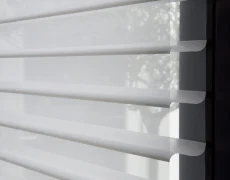
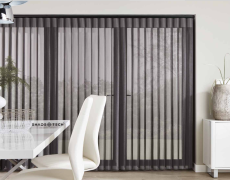
Solar fabrics are often the right starting point for Dallas-Fort Worth properties. They filter harsh sunlight, reduce glare, and help protect flooring, artwork, upholstery, and cabinetry from UV exposure. Openness factors determine how much light and view pass through the fabric. A lower openness factor provides more privacy and sun control, while a higher openness factor preserves a clearer outward view.
There is a trade-off. A fabric that protects against glare exceptionally well may make the exterior view appear darker during the day. A more open weave may feel lighter and preserve the landscape but provide less privacy at night. The best choice depends on window orientation, neighboring homes, landscaping, and how the room is used after dark.
For bedrooms, nurseries, and dedicated media rooms, blackout roller shades provide a different level of control. True blackout performance requires more than opaque fabric. Light can still enter around the edges or above the roll. Depending on the opening, a cassette, carefully designed fascia, side channels, or a layered treatment can greatly improve darkness and privacy.
Smart Luxury Roller Shades Make Comfort Automatic
Motorization is where a custom roller shade system becomes part of the home rather than another item to adjust manually. Instead of reaching across a kitchen island or using a long pull chain on a high window, homeowners can raise or lower shades with a remote, wall control, phone, voice assistant, or programmed schedule.
That convenience has practical value. Shades can lower automatically during the hottest afternoon hours and lift in the morning to bring in natural light. A family can create a movie setting that lowers media-room shades with one command. At bedtime, bedroom shades can close on a schedule without anyone moving from room to room.
For homes with Alexa, Google Home, Apple HomeKit, or Matter-enabled devices, compatibility should be discussed before installation. Smart-home systems are most useful when controls are planned around real routines, not just installed for novelty. A dependable setup considers motor type, power source, Wi-Fi or hub requirements, grouped scenes, and who will use the controls every day.
Battery-powered motors can be an excellent option for finished homes where running electrical wiring would be disruptive. Hardwired motors are often preferred for new construction, major renovations, and very large shade packages because they remove the need for periodic battery charging. Solar charging can help in some high-sun locations, though it is not appropriate for every window or fabric selection.
Choosing Fabrics for North Texas Heat
Dallas sunlight is not a minor design concern. West and south exposures can create intense glare and noticeable heat gain, particularly in rooms with tall windows, exposed patios, and large sliding glass doors. Roller shade fabric can help manage solar energy before it spreads through the room.
Color affects performance and appearance. Darker solar fabrics often provide a sharper view to the outside during the day, while lighter fabrics can better complement pale interiors and may reflect more light. Neither is automatically better. The right selection balances outward visibility, interior style, privacy expectations, and the direction of the glass.
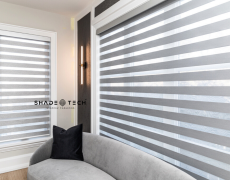
For high-performance applications, consider fabric construction alongside color. Screen fabrics, room-darkening textiles, blackout materials, and dual-shade systems each serve different purposes. Dual shades pair a solar screen for daytime use with a blackout shade for night, giving a bedroom or living area greater flexibility without adding traditional drapery.
Commercial settings benefit from the same thoughtful approach. Medical clinics need privacy and glare control that supports patient comfort. Restaurants may need to manage late-day sun without closing off the dining room. Offices require screens that reduce monitor glare while retaining daylight. In these spaces, durable fabrics, consistent alignment, easy controls, and professional installation often matter more than decorative excess.
Installation Is Part of the Product
Even the best fabric and motor cannot compensate for inaccurate measurement. Window frames are rarely perfectly square, and architectural details such as trim, handles, recessed ceilings, and door swing must be considered before shades are produced. A precise consultation identifies where the shade will mount, how far it must clear obstacles, and whether a fascia or pocket should be incorporated.
This is particularly important on large openings. A shade that is too wide for the mounting surface, too heavy for the motor, or positioned too close to a door handle can create service issues that are avoidable with early planning. Builders and designers can also benefit from coordinating shade pockets, electrical locations, and control plans before drywall is complete.
ShadeoTech manufactures custom systems locally in Texas, which supports closer control over sizing, material selection, and installation coordination. For homeowners, that factory-direct approach can provide premium custom work without the layered pricing common in traditional retail channels.
Design Details Worth Deciding Early
The most polished roller shade projects make a few key choices before production begins. Mount type, fabric transparency, hardware finish, and control method should work together with the room’s architecture. A visible fascia can create a crisp contemporary line, while a recessed pocket hides the roll for a more integrated appearance.
Consider whether shades should sit inside the window opening or mount outside it. Inside mounts offer a tailored, built-in look but require enough depth and may allow small edge gaps. Outside mounts can cover more glass and improve light control, though they become a more visible design element. Neither approach is universally superior.
For patios and sun-exposed outdoor areas, exterior screens may be a better answer than interior roller shades alone. They can reduce sun and wind exposure before it reaches the glass or seating area. The right strategy may combine interior shades for privacy and interior comfort with exterior screens for stronger solar management.
A great shade system should feel almost invisible when it is not needed and immediately useful when it is. Start with the moments your space becomes too bright, too warm, too exposed, or simply inconvenient to manage. Those moments will point to the fabric, controls, and installation details that make luxury roller shades worth the investment.
