

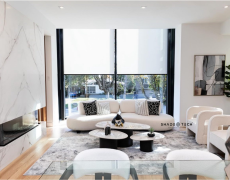
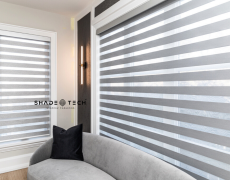
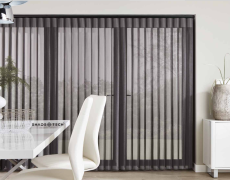

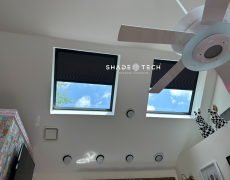


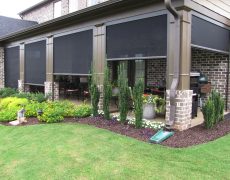

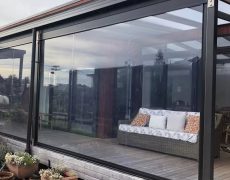



A patio can be beautifully furnished and still sit empty by late afternoon when the Texas sun starts reflecting off the pool deck, mosquitoes arrive, or a sudden wind turns dinner outside into a short-lived plan. Remote control patio screens give Dallas-Fort Worth homeowners a practical way to reclaim that space. At the touch of a button, they lower a tailored barrier against glare, heat, insects, and unwanted visibility without closing off the architectural openness that makes an outdoor living area appealing.
For homes with covered patios, pergolas, outdoor kitchens, and large sliding door openings, a motorized screen system is not simply a convenience upgrade. It changes how often the space can be used and how comfortably it performs through a North Texas summer.
What Remote Control Patio Screens Do Best
Motorized patio screens travel vertically within side tracks and retract into a discreet housing when not in use. When lowered, they create a controlled edge around an outdoor room while preserving airflow and outward views. The fabric, openness factor, track system, and motor are selected around the needs of the structure rather than treated as a one-size-fits-all purchase.
The most immediate benefit is solar control. West-facing patios can collect punishing afternoon heat, particularly where stone, concrete, glass, and pool surfaces reflect sunlight back into the seating area. A properly selected solar screen fabric reduces glare and blocks a meaningful amount of radiant heat before it reaches the patio. That can make a covered outdoor area feel far more usable without relying exclusively on ceiling fans or outdoor cooling equipment.
Insect control is equally valuable. A screen with a tighter weave can help keep mosquitoes, flies, and other pests outside while allowing the patio to remain naturally ventilated. For homeowners who entertain, that means less interruption during meals and less need for temporary netting or chemical repellents.
Privacy is another reason many clients choose automated exterior screens. A patio that faces a neighboring two-story home, a golf course, or a busy street can feel exposed even when the interior of the house is well protected. Lowering a screen creates a more private setting in seconds, especially at night when indoor lights make outdoor spaces more visible.
Choosing the Right Screen Fabric
Screen fabric determines much of the system’s real-world performance. It affects light filtration, heat reduction, privacy, visibility, durability, and airflow. The right choice depends on how the patio is oriented, how it is used, and what sits beyond it.
Solar fabrics for heat and glare
Solar mesh is often the strongest fit for sun-exposed patios. These fabrics are available in different openness levels, which describes how much of the material is open space. A more open weave preserves a clearer view and more airflow. A tighter weave offers greater shade and privacy but slightly reduces visibility outward.
For a patio facing a landscaped backyard, many homeowners prefer a fabric that maintains the view while softening harsh light. For a west-facing entertaining area that receives direct late-day sun, a denser solar fabric may be the better performance choice. Color matters as well. Darker fabrics usually provide better outward visibility during daylight, while lighter fabrics can brighten the space and reflect more light.
Insect and privacy-focused options
When insects are the primary concern, a tighter insect screen can be a better choice than a standard solar mesh. It may not deliver the same view-through effect, but it provides stronger pest protection. Privacy fabrics can also be selected for patios with close neighbors, though complete nighttime privacy depends on the lighting conditions inside and outside the screened area.
There is no universally best fabric. A custom consultation should account for sun direction, wind exposure, patio dimensions, desired view, and whether the system is intended mainly for everyday family use, entertaining, or commercial service.
Why Professional Installation Matters
A motorized outdoor screen must handle more than shade. In North Texas, it may face heat, UV exposure, high winds, blowing rain, dust, and frequent cycles of use. The quality of the installation is what turns a screen from an attractive feature into a dependable exterior system.
Accurate measurement is essential because patios are rarely perfectly square. Columns may vary slightly, masonry openings can be uneven, and ceiling heights may create unique mounting requirements. A professionally designed system accounts for these details so the housing, tracks, and bottom bar align correctly and operate without binding.
Side tracks are particularly important. They guide the screen, help hold the fabric taut, and improve performance in breezy conditions. Some outdoor systems use retention technology that secures the screen edge within the track, offering better wind resistance and a cleaner perimeter. That is a meaningful upgrade for exposed patios, but it does not make any screen indestructible. In severe weather, screens should be retracted unless the manufacturer’s specific system guidance says otherwise.
Local manufacturing and installation also create a practical advantage. ShadeoTech measures, manufactures, and installs custom screen solutions in the Dallas area, allowing the system to be built around the actual opening and finished with the level of precision exterior applications require.
Smart Controls That Fit Daily Life
A handheld remote is the simplest control option, and for many homeowners it is all that is needed. One button can lower an individual screen, raise it after dinner, or operate a grouped set around the patio. Wall controls add a fixed, familiar point of access near a patio door or outdoor kitchen.
Smart-home integration takes the convenience further. Depending on the selected motor and control platform, remote control patio screens can be incorporated into Alexa, Google Home, Apple HomeKit, or Matter-compatible smart-home environments. Voice commands are useful when hands are full with food, drinks, or children heading in and out of the house.
Schedules are often even more valuable than voice control. A west-facing screen can lower automatically before the strongest afternoon sun hits the patio, then rise later in the evening to reopen the view. Homeowners can also create scenes that coordinate exterior screens with interior shades, lighting, ceiling fans, or landscape lighting.
Automation should be purposeful, not complicated. The best setup is one that everyone in the household can use without opening multiple apps or troubleshooting a connection. A professional smart-home setup helps ensure controls are intuitive from the first day.
A Strong Fit for Restaurants, Clinics, and Commercial Patios
Motorized patio screens are not limited to luxury residences. Restaurants can use them to improve guest comfort on covered dining patios, reduce glare during peak service hours, and create a more polished outdoor environment when weather changes. For hospitality spaces, a retractable screen provides flexibility that permanent walls or fixed shades cannot.
Medical clinics and wellness facilities can use exterior screens to make covered entries, waiting patios, and courtyard spaces more comfortable and private. Builders and contractors can incorporate recessed screen housings during construction, producing a clean architectural result with minimal visible hardware after completion.
Commercial projects need careful attention to operating frequency, opening sizes, safety, and the visual consistency of multiple installations. That is where custom fabrication and site-specific planning matter more than selecting a screen from a retail shelf.
Questions to Ask Before Ordering
Before choosing a system, start with the problem the patio needs to solve. Is the main issue direct sun at a certain hour, insects, privacy, wind, or a combination of all four? Then consider whether the patio opening is protected by a roof, how often the screens will be used, and whether the home already has a smart-home platform.
It is also worth asking where the housing will sit when the screen is retracted. In new construction, it may be possible to recess the housing into the structure for a nearly hidden appearance. In existing homes, surface-mounted housings can still look refined when sized and color-matched correctly.
Finally, consider service access and long-term support. Exterior motorized products have moving components and live outdoors. A locally installed system with professional service options is a better long-term investment than a disconnected online purchase that leaves the homeowner responsible for measurement, programming, and repairs.
The right screen should disappear when you want an open patio and perform immediately when the sun, insects, or lack of privacy would otherwise send everyone indoors. That balance of tailored design, durable operation, and simple control is what makes an outdoor space feel like a true extension of the home.
