

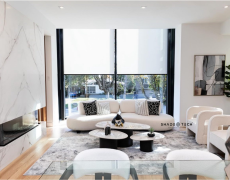







A west-facing Dallas living room can receive hours of direct afternoon sun, even when the thermostat says the house is cool. That sunlight can fade hardwood floors, discolor upholstery, create glare on screens, and make a favorite seating area uncomfortable. The best shades for UV protection do more than darken a room – they manage ultraviolet exposure, visible light, and solar heat in a way that fits how you live in the space.
For large windows, high ceilings, and contemporary glass-heavy homes, the right answer is rarely an off-the-shelf blind. Fabric performance, openness factor, window orientation, color, and installation all affect how well a shade protects the room. In North Texas, custom solar shades and automated window treatments give homeowners far more control than a standard retail solution.
What Makes the Best Shades for UV Protection?
UV protection starts with the fabric, but it should not be evaluated in isolation. A high-performing shade needs to fit the window precisely and cover the glass adequately. Light leaking around the sides may not ruin the look of a room, but it can leave flooring, artwork, and furnishings exposed to concentrated sun.
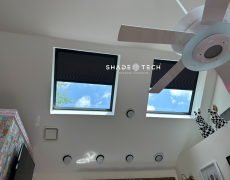
For most Dallas-Fort Worth homes, solar roller shades are the strongest starting point. They are engineered to filter sunlight while preserving an outward view and maintaining a clean architectural profile. The fabric absorbs and reflects a portion of solar energy while reducing the light that reaches the interior surfaces you want to protect.
The best choice depends on whether your primary goal is preserving a view, controlling glare, improving privacy, reducing heat gain, or creating a darker room for sleep. Those priorities can overlap, but they do not always point to the same fabric.
Understand openness factor before choosing fabric
Openness factor describes the weave of a solar shade fabric. It is usually expressed as a percentage, and it determines how much light and view can pass through the material. A lower percentage means a tighter weave. A higher percentage means a more open weave and a clearer daytime view.
A 1% to 3% openness fabric is often a practical choice for rooms with strong direct sun, valuable furnishings, or persistent screen glare. It provides substantial light filtering and UV management while still allowing some connection to the outdoors. A 5% openness fabric can work well where preserving the view is a higher priority, particularly on less aggressive exposures or windows protected by overhangs.
The trade-off is simple: as the view becomes clearer, more light enters the room. That does not make a higher-openness fabric a poor choice. It means the fabric should be selected around the window’s orientation and the room’s use rather than chosen solely from a swatch book.
Look beyond UV filtering to solar performance
Ultraviolet light is a major source of fading, but visible light and heat also contribute to wear and discomfort. A shade that filters UV effectively but allows intense solar heat into the room may still leave a space difficult to use in the afternoon.
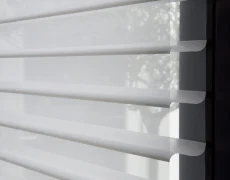
For sun-exposed rooms, ask about a fabric’s solar heat control, glare reduction, and visible light transmission. Darker fabrics can offer a sharper view through the shade and may reduce glare effectively, while lighter fabrics typically reflect more solar energy and keep the window treatment visually softer from the room. The better option depends on the architecture, interior palette, and which performance metric matters most.
The Right Shade Type for Each Space
Solar roller shades offer the most versatile combination of UV control, clean design, and smart-home compatibility. Yet they are not the only useful option. A tailored window treatment plan often uses more than one shade type across the home.
Solar shades for living areas and view windows
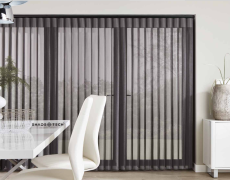
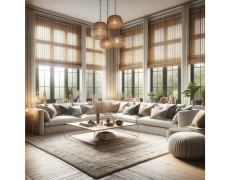
Living rooms, kitchens, offices, and open-plan spaces with large glass walls are ideal candidates for solar shades. They reduce glare without closing the room off from the backyard, pool, skyline, or landscaping. In a home office, that can mean fewer reflections on monitors. In a great room, it means the furniture can remain usable when the late-day sun moves across the floor.
For commercial interiors, solar shades are equally effective in clinics, restaurants, conference rooms, and hospitality spaces. They create a polished appearance while helping protect finishes and improve comfort for guests, patients, and staff.
Dual shades for flexible daylight and privacy
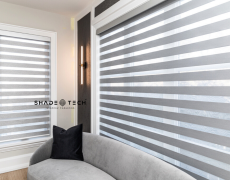
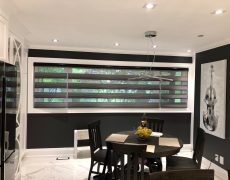
Dual shades pair a light-filtering solar or sheer shade with a second blackout or room-darkening layer. During the day, the front shade filters sun and protects the room. At night, the secondary shade provides privacy and a more complete light block.
This configuration works especially well in bedrooms, media rooms, and street-facing rooms where one layer alone would force a compromise. It also gives homeowners more options throughout the day without adding visual clutter around the window.
Blackout shades for bedrooms and media rooms
Blackout shades are designed for room darkening, not necessarily for view preservation. They are an excellent choice where sleep quality, shift-work schedules, or movie viewing matter most. Because blackout fabrics block light through the material itself, they offer strong protection for interiors when fully lowered.
However, a blackout shade installed as an inside mount can still allow light around the edges. For the darkest result, side channels, a carefully designed outside mount, or a layered treatment may be needed. Precision measurement matters more here than it does with a casual decorative covering.
Cellular shades for insulation and soft light
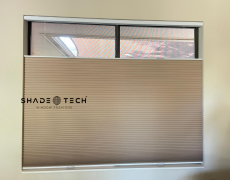
Cellular shades can be a smart option for rooms that need insulation as well as softer daylight. Their honeycomb structure creates air pockets that help moderate heat transfer through the window. They are particularly useful for bedrooms, secondary living spaces, and homes where energy performance is the central concern.
They usually do not preserve an outside view the way solar shades do. For a modern home with expansive windows, that may be a meaningful compromise. For a colder or hotter room where the view is secondary, it can be worthwhile.
Motorization Makes UV Protection Consistent
The best shade is only effective when it is used. Manual shades often remain open because the windows are difficult to reach, the room has many openings, or adjusting every shade becomes a daily chore. This is where motorization changes the value of a window treatment.
Automated shades can lower on a schedule before afternoon sun reaches a west-facing room, then raise after the strongest exposure has passed. They can be grouped by room, operated by remote, controlled through an app, or integrated with Alexa, Google Home, Apple HomeKit, and Matter-enabled smart-home systems.
For homeowners, the benefit is comfort without constant adjustment. For restaurants, clinics, and offices, automation helps maintain a consistent guest or patient experience while reducing glare across shared spaces. A professionally configured system can also account for different exposures: east-facing shades can respond to morning light, while west-facing shades can protect the home later in the day.
Why Custom Measurement and Installation Matter
A high-quality fabric cannot compensate for an imprecise fit. Large windows may not be perfectly square, and even small gaps can affect privacy, light control, and appearance. Mounting depth, trim details, window handles, and nearby doors all influence the right product and installation method.
Custom manufacturing allows the shade dimensions, fabric, hem bar, bracket placement, and control system to be specified for the actual opening. This is especially valuable for oversized windows, tall transoms, corner glazing, and hard-to-reach openings common in newer North Texas homes.
ShadeoTech combines local manufacturing in Carrollton with precision measurement, professional installation, and smart-home setup. That factory-direct approach helps ensure the final system performs as designed, rather than leaving homeowners to coordinate fabric selection, installation, and automation across separate providers.
Choosing a UV Protection Plan That Fits Your Home
Start with the rooms where sunlight is causing a visible problem: fading near windows, glare on televisions and work screens, uncomfortable afternoon heat, or a lack of privacy. Then consider each window’s direction, whether preserving the view matters, and how often the shade will need to move.
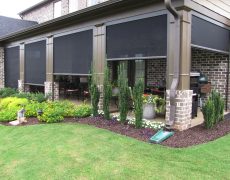
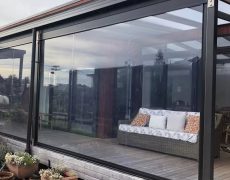
A west-facing family room may need a 1% or 3% solar fabric with scheduled motorization. A primary bedroom may benefit from a dual-shade system. A patio opening may call for an exterior screen solution that stops more solar energy before it reaches the glass. The right plan is specific to the room, not a single product applied everywhere.
The most effective UV protection is the kind that protects your interiors while keeping the home bright, comfortable, and easy to enjoy. When each shade is engineered around the window and programmed around the sun, daylight becomes an asset instead of a daily source of heat and fading.
