

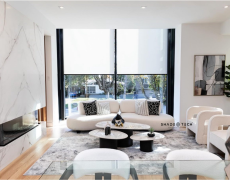
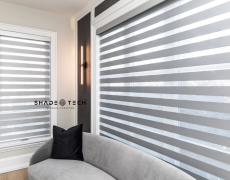
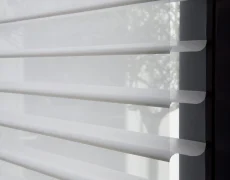
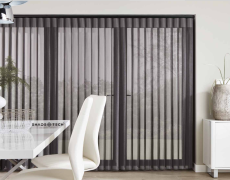

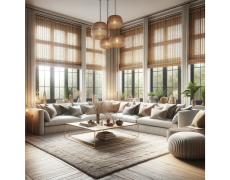
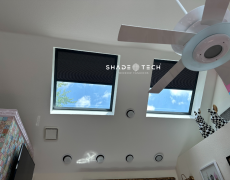






A west-facing Dallas living room can become noticeably warmer between 3 and 6 p.m., even when the thermostat has not changed. That heat is not just uncomfortable. It makes the air-conditioning system work longer to maintain the temperature you selected. So, can automated shades save energy? Yes, when they are properly specified, fitted to the window, and programmed around the sun exposure of the home.
Automated shades do not create energy savings by magic. They manage solar heat gain before it enters the room, reduce the burden on HVAC equipment, and make it easier to use window coverings consistently. For North Texas homes with large glass walls, high ceilings, and strong afternoon sun, that combination can have a meaningful effect on comfort and cooling demand.
How Automated Shades Save Energy
Windows are a major source of heat gain in a sun-exposed home. Sunlight passes through glass, warms floors, furnishings, and interior surfaces, then raises the room temperature. Once that heat is inside, your cooling system has to remove it.
A well-chosen shade intercepts a portion of that solar energy at the window. Solar roller shades, cellular shades, and certain layered fabrics can reduce glare and heat while still preserving daylight and views. The exact result depends on the fabric openness, color, window orientation, glazing, and how closely the shade fits the opening.
Motorization adds a practical advantage: the shades can lower when they are needed, not only when someone remembers to operate them. A manual shade left open on a bright afternoon provides no energy benefit. An automated shade scheduled to close before direct sun reaches the glass does.
In cooling season, automation can lower shades during peak heat periods and raise them again when the sun is no longer a concern. In winter, the schedule may work differently. Opening south-facing shades during sunny hours can allow useful warmth into the home, while closing them after sunset can improve the insulating effect at the glass. The goal is not to keep every shade down all day. It is to control each window according to its conditions.
The Dallas-Fort Worth Difference
Dallas-Fort Worth heat puts window treatments to work. Long cooling seasons, intense UV exposure, and low-angle western sun can make rooms near large windows difficult to use comfortably. Homeowners often notice the problem first in media rooms, kitchens, home offices, and upstairs bedrooms where afternoon heat lingers well into the evening.
Automated shades help address that pattern with repeatable control. A west-facing room can lower its shades automatically before peak sun. East-facing bedroom shades can open gradually in the morning, then return to an energy-conscious position later in the day. Rooms that receive little direct sun do not need the same schedule, which is why a custom system should be designed by exposure rather than treated as a one-size-fits-all upgrade.
UV management matters, too. Solar fabrics can help protect hardwood, artwork, upholstery, and flooring from fading caused by prolonged direct sunlight. That protection is not always reflected in a monthly utility bill, but it is part of the long-term value of controlling solar exposure.
Why Automation Improves Real-World Results
The difference between manual and automated shades is often consistency. Most people will close shades when glare becomes obvious or the room feels hot. By then, solar heat may already be building inside. Automated controls allow the system to act earlier.
Schedules are the simplest option. A homeowner may set shades to close at a certain time each afternoon, then open at sunset. For many homes, that alone delivers better results than manual operation.
Smart-home integration adds more flexibility. Shades can be controlled through Alexa, Google Home, Apple HomeKit, or Matter-compatible systems, depending on the motor and control configuration. A whole-home scene might lower sun-facing shades when the home enters Away mode, or close them during the hottest part of the day while the family is out.
For more responsive control, sun sensors and temperature-based automations can adjust shades as conditions change. These setups require thoughtful calibration. A sensor that reacts too aggressively can make a room feel unnecessarily dark, while a schedule that ignores seasonal sun angles may miss the hottest exposure. Professional programming should balance energy performance, daylight, privacy, and how the space is actually used.
Shade Type and Fabric Matter as Much as the Motor
Motorization controls the timing, but the shade itself determines much of the performance. A decorative fabric chosen only for color may soften light without doing enough to manage solar heat. Conversely, a highly opaque fabric may provide strong heat and privacy benefits but limit the view and daylight that made the window appealing in the first place.
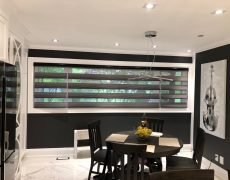
Solar roller shades are a popular choice for large contemporary windows because they can reduce glare and heat while maintaining a filtered outward view. Openness factors affect how much light and visibility pass through the fabric. Lower openness generally provides more privacy and solar control, while higher openness preserves more of the view.
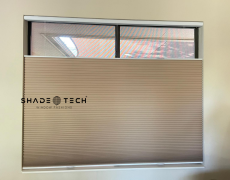
Cellular shades can be an effective option where insulation is the priority. Their honeycomb structure traps air, helping reduce heat transfer through the window area. They are often well suited for bedrooms, smaller windows, and spaces where privacy and thermal performance matter more than a clear exterior view.
Dual shades can offer a strong compromise. A solar shade handles daytime glare and heat, while a room-darkening layer provides nighttime privacy or better sleep conditions. For a primary bedroom with morning sun, this approach can offer useful control without forcing a single fabric to do every job.
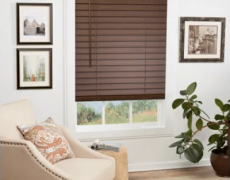
Fit also matters. Gaps at the sides, top, or bottom allow light and heated air to move around the covering. Inside-mount shades should be measured precisely, and outside-mount solutions may be preferable when the window frame is shallow or when more coverage is needed. Custom manufacturing and professional installation are not cosmetic details. They affect how the system performs every day.
What Kind of Savings Should You Expect?
Energy savings vary too much for a responsible installer to promise one universal percentage. A home with new low-E windows, deep roof overhangs, and mature trees will see different results than a home with expansive west-facing glass and limited exterior shading. HVAC condition, thermostat settings, insulation, and household habits also influence the outcome.
The most noticeable return is often comfort. Rooms stay more usable during bright, hot hours. Thermostats do not need to be lowered simply to offset a sunny seating area. Glare on televisions and computer screens is reduced. Those improvements can support lower cooling demand, but they also make the home operate the way it was intended to.
Automated shades are most compelling when they solve several problems at once: heat gain, glare, fading, privacy, and convenience. If energy reduction is the only objective, exterior shading, window upgrades, attic insulation, and HVAC maintenance should also be considered as part of the larger building-performance picture.
Automated Shades for Commercial Spaces
Medical clinics, restaurants, offices, and hospitality spaces face a similar challenge, often on a larger scale. Direct sun can create uncomfortable waiting areas, glare on monitors, uneven temperatures, and higher demands on cooling equipment. In restaurants, it can also affect guest comfort at window-side tables during peak daylight hours.
Centralized automated shading gives staff a consistent system instead of relying on employees to adjust individual treatments throughout the day. Zoned control allows a bright frontage to respond differently from a shaded interior area. Durable commercial-grade fabrics and professionally installed hardware are especially important where shades will operate frequently and need to maintain a polished appearance.
Design the System Around the Building
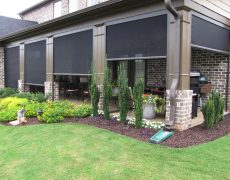
The best automated shade system begins with an on-site assessment, not a generic package. Window direction, size, glass type, ceiling height, trim depth, furnishings, and smart-home platform all affect the recommendation. A home with floor-to-ceiling windows may need solar fabrics and multiple zones. A bedroom may call for blackout-capable shades with quiet motors. A covered patio may benefit more from motorized exterior screens that stop heat and insects before they reach the seating area.
ShadeoTech designs, manufactures, measures, installs, and programs custom shading systems locally for North Texas conditions. That full-service approach helps ensure the fabric, motor, mounting method, and automation logic work together rather than becoming separate decisions made by different vendors.
If a room gets too hot, too bright, or too exposed at the same time every day, that pattern is useful information. Build the shade schedule around it, choose a fabric that matches the room’s needs, and let the system respond before the discomfort starts.
