
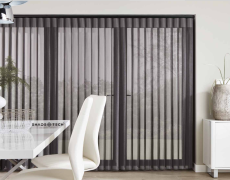
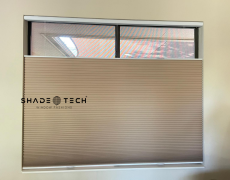

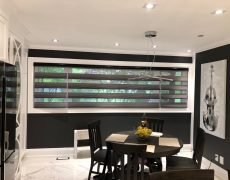

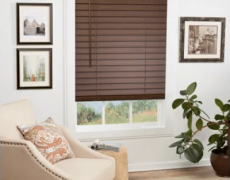





Window tint looks like an easy fix for Texas sun: one film, no more glare. But before you film your windows, read your window warranty. Many window and glass manufacturers will not cover damage once aftermarket film has been applied, and the film itself can create the very problems the warranty was meant to cover.
Here is what homeowners in Dallas–Fort Worth should know, and why shades solve the same problems without touching the glass.
Why window tint can void your window warranty
- Modified glass is often excluded. Many glass and window warranties only cover glass in its original, unmodified condition. Once film is applied, problems with the glass may become the film installer’s responsibility, not the window maker’s.
- Heat builds up in the glass. Solar films absorb sunlight, which raises the temperature of the glass. On the wrong type of glass, that extra heat can lead to thermal stress cracks.
- Seals can fail. Double-pane windows depend on an airtight seal. Extra heat in the glass puts stress on that seal, and a failed seal means fogging between the panes. The International Window Film Association recommends avoiding solar film on insulated glass that is over 10 years old or has had seal failures.
- Every warranty is different. Some film companies offer their own glass coverage, but then you are relying on the film company, not your window manufacturer. Always check your window warranty before applying any film.
Other downsides of tint
- It is always on. Tint darkens your view on cloudy days and in winter, when you want every bit of daylight.
- No privacy at night. Reflective films work like a one-way mirror only when it is brighter outside. After dark, with lights on inside, people can see in.
- Hard to undo. Many solar films are semi-permanent. Removing them takes time and can leave adhesive behind.
- It can age badly. Poor installation or lower-quality film can bubble, peel or change color over time.
- Less gain on newer windows. Windows with low-E glass already reduce heat, so film adds less benefit than many people expect.
Why shades are the better choice
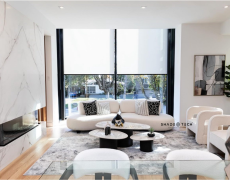
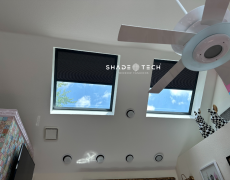
- Nothing touches the glass. Shades mount on the frame or wall, so your window warranty stays exactly as it was.
- Adjustable, not permanent. Lower them for afternoon glare, raise them for a clear view. Tint cannot do that.
- Choose your level of sun control. Solar screen roller shades come in openness levels: lower openness gives more glare and heat control, higher openness keeps more of the view.
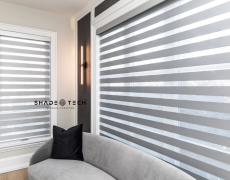
- Real privacy after dark. Add a blackout or duo shade for bedrooms and street-facing rooms.
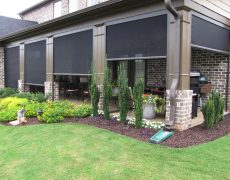
- Stop heat before it reaches the glass. Exterior zip-track screens shade the window from outside, which keeps the glass itself cooler.
- Automate it. Motorized shades can lower on a schedule every afternoon and work with Alexa, Google Home and Apple HomeKit.
- Easy to change later. Want a new color or fabric? Replace the shade. The glass stays untouched.
Tint vs. shades at a glance
| Window tint | Custom shades | |
|---|---|---|
| Window warranty | Can be voided | Not affected |
| Adjustable | No, always on | Yes, any time |
| Night privacy | No | Yes, with privacy or blackout fabric |
| Heat stress on glass | Can increase | Exterior screens reduce it |
| Change your mind later | Removal and residue | Swap the shade |
Common questions
Does window tint always void a window warranty?
Not always, but often. Every window manufacturer writes its own warranty, and many exclude damage after aftermarket film is applied. Check your warranty terms before tinting.
Can shades block as much sun as tint?
Yes. A low-openness solar screen cuts glare and heat while you still see out, and blackout fabrics block light completely. Unlike tint, you can raise them when you want full daylight.
How fast can I get custom shades?
Shadeotech makes interior shades in our Carrollton factory in 3–4 working days for in-stock fabrics, and our own team installs them across Dallas–Fort Worth.
Protect your view and your warranty
Before you film your windows, see what custom shades can do. Book a free consultation and we will bring solar screen, light-filtering and blackout samples to your home, or call us at 469-499-3322.
