

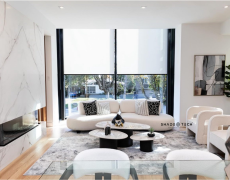
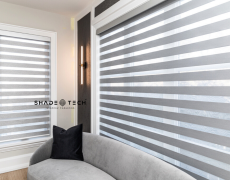
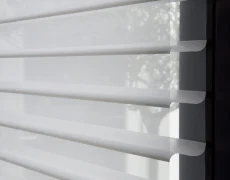
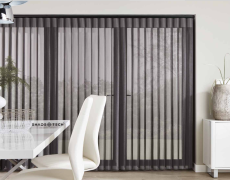
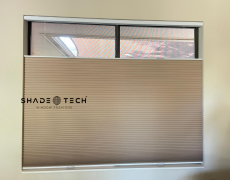

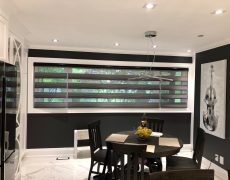
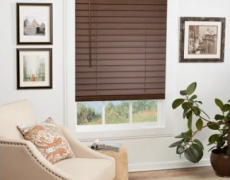
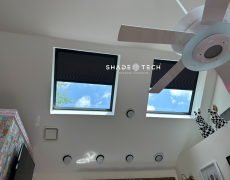


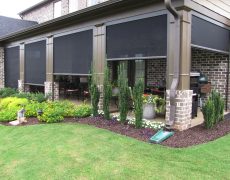

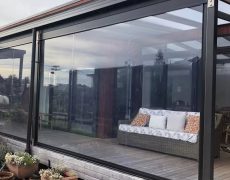



A wall of glass can make a Dallas-Fort Worth home feel spectacular at 8 a.m. By 3 p.m., that same view can turn a living room into the warmest room in the house, fade flooring near the windows, and make television screens difficult to see. Luxury window treatments are designed for this exact reality: they do more than frame a window. They control sunlight, protect interiors, support energy efficiency, and give homeowners precise command of privacy and comfort.
For homes with tall ceilings, expansive openings, and strong southern or western exposure, the right treatment is not an accessory chosen at the end of a project. It is part of the home’s performance system. The difference comes down to custom fit, material quality, thoughtful fabric selection, reliable automation, and installation that accounts for how the room is actually used.
What Makes Window Treatments Truly Luxurious?
Luxury is not simply a matter of choosing an expensive fabric or adding a motor. A premium treatment should look intentional from every angle while solving a specific problem in the space. In a media room, that may mean room-darkening shades that close on command. In a breakfast area, it may mean preserving the view while reducing glare and heat. In a primary suite, it may mean quiet motorized shades that rise gradually with a scheduled morning routine.
Custom sizing is the foundation. Ready-made blinds often leave visible gaps, sit awkwardly against trim, or struggle with wide and unusually shaped windows. Custom treatments are measured for the opening, mounting condition, and desired coverage. This matters especially in contemporary North Texas homes, where large windows, corner glass, transoms, and sliding doors are common.
The details also carry more weight than most homeowners expect. Bracket placement, hem alignment, bottom-bar style, side gaps, fabric openness, and control placement determine whether the final result feels integrated or improvised. A high-end installation should make a complex system appear simple.
Luxury Window Treatments for North Texas Sun
Dallas-Fort Worth sunlight is a design asset, but it can be unforgiving. Intense UV exposure can discolor hardwood, rugs, upholstery, and artwork over time. Solar heat gain can make rooms near glass noticeably less comfortable, even when the thermostat is set correctly. The best solution depends on whether the priority is view preservation, insulation, darkness, privacy, or a balance of all five.
Solar shades preserve views while managing glare
Solar roller shades are often a strong choice for living rooms, offices, kitchens, and commercial spaces with broad glass exposures. Their performance depends heavily on the openness factor of the fabric. A more open weave preserves a clearer view and admits more daylight, while a tighter weave provides stronger glare and privacy control.
This is a trade-off, not a one-size-fits-all decision. A 1% fabric may be ideal for a sun-facing office with screens and strong afternoon glare, but it can feel more enclosed at night. A 3% or 5% fabric can maintain a brighter, more open feeling during the day, though it may not provide the same level of heat and privacy control. A proper consultation considers orientation, landscaping, nearby homes, and how each room functions after dark.
Layered shades offer greater flexibility
For bedrooms, media rooms, and street-facing spaces, layered systems are often worth considering. A solar or light-filtering shade can handle daytime glare while a room-darkening or blackout layer provides privacy and sleep-friendly darkness in the evening.
The term blackout deserves precision. Blackout fabric alone may reduce light dramatically, but small light leaks can still occur around the edges depending on the mounting method and window conditions. For the strongest result, the shade system, mounting strategy, and side coverage should be planned together. This is where professional measurement makes a visible difference.
Shutters create architectural presence
Custom shutters bring a more structured, architectural look to interiors. They are particularly well suited to traditional homes, transitional spaces, bay windows, and rooms where adjustable privacy matters. Tilted louvers allow daylight and airflow while limiting direct sightlines, and quality shutter panels can add definition to a window without making it feel heavy.
Material selection matters in humid areas and high-traffic homes. A premium composite shutter can be practical near kitchens and bathrooms, while wood may be preferred where natural grain and stained finishes are central to the design. The right option depends on the room, finish palette, and maintenance expectations.
Automation Should Feel Useful, Not Complicated
Motorized shades are a natural fit for hard-to-reach windows, tall foyer glass, and wide multi-shade walls. Their real value, however, is daily consistency. A shade that lowers automatically before peak afternoon sun can reduce glare and help limit heat buildup before the room becomes uncomfortable. A scheduled evening scene can create privacy across the house without walking from room to room.
Smart controls should support the way the household already operates. Depending on the system selected, shades can be managed by wall keypad, remote, smartphone, voice assistant, or scheduled scenes through Alexa, Google Home, Apple HomeKit, and Matter-compatible ecosystems. The goal is not to add another app to manage. It is to make light control easier than leaving every shade in the same position all day.
Reliability begins with specifying the right power approach. Rechargeable battery motors can work well for many retrofit projects and simplify installation where wiring is impractical. Hardwired power is often the better long-term choice for new construction, major remodels, and large installations with frequent use. Solar charging can also be useful in the right exposure conditions, though it should be evaluated based on available sunlight and window configuration rather than assumed to be the answer for every room.
Why Professional Design and Installation Matter
Premium shades and blinds can still disappoint when the process is fragmented. A homeowner may choose fabric from one source, purchase motors from another, and rely on a separate installer to solve the final details. When something does not align, responsibility becomes unclear.
A full-service custom approach brings design, measurement, manufacturing, installation, and smart-home setup into one coordinated process. Measurements are taken with mounting depth, trim, glass position, obstructions, and stacking requirements in mind. Fabric choices are reviewed under real lighting conditions. Motor locations and charging access are planned before installation, not after the fact.
Installation quality is especially important for motorized systems. Shade alignment affects appearance, but it also affects operation. Properly secured brackets, level mounting, correctly set limits, and cleanly organized power connections help ensure consistent performance. Smart-home pairing should be tested before the project is considered complete, including schedules and voice controls when requested.
Local manufacturing adds another practical advantage. It supports better control over specifications, finish coordination, lead times, and quality checks. For Dallas-area projects, ShadeoTech manufactures locally in Carrollton and installs systems with North Texas heat, sun exposure, and modern window layouts in mind.
Choosing the Right System for Each Space
The best homes rarely use one treatment everywhere. Public living spaces may benefit from solar shades that maintain views and reduce glare. Bedrooms may need dual shades or room-darkening systems. Bathrooms may call for moisture-tolerant shutters or privacy-forward shades. Outdoor living areas can gain comfort from motorized screens that help manage sun, insects, and wind-blown debris while preserving a clean patio design.
Commercial properties require a similarly specific approach. Medical clinics need privacy and glare reduction without creating a cold atmosphere. Restaurants need systems that perform during changing daylight conditions while complementing the interior. Builders and contractors need dependable coordination, repeatable quality, and treatments that fit the project schedule. In each case, durability and operation are just as important as appearance.
Before selecting a style, consider when the room receives direct sun, what must be protected from UV exposure, how much daytime view matters, and whether privacy is needed at night. Also consider who will operate the treatments. If a system will be used daily by children, guests, staff, or multiple family members, intuitive controls are a premium feature in their own right.
The right window treatment should make a room easier to live in. When the fabric, fit, installation, and automation are specified around the home rather than pulled from a shelf, the result is a calmer space that stays cooler, looks finished, and responds when the light changes.
