

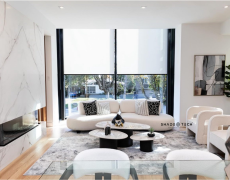
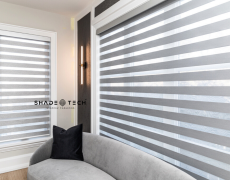
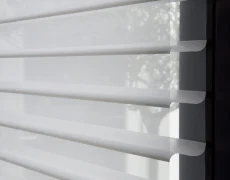
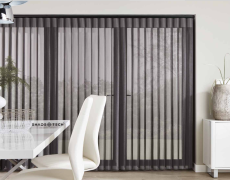
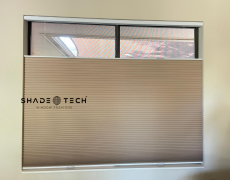

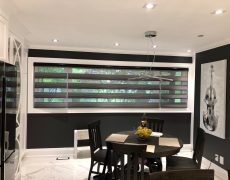
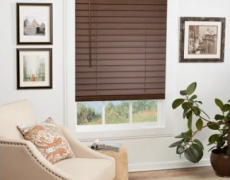






A bright Dallas-Fort Worth living room can be one of the best features of a home until the sun begins fading hardwood floors, bleaching upholstery, and creating a hot spot beside every large window. Learning how to reduce window UV is not about turning your home dark. It is about controlling the damaging wavelengths while preserving the daylight, view, and architectural openness that made you choose those windows in the first place.
For North Texas homes, where direct afternoon sun can be intense for much of the year, the right solution usually combines fabric performance, precise fit, and intelligent operation. The best choice depends on the glass, window orientation, room use, and how much visibility you want to retain.
What Window UV Protection Actually Means
Ultraviolet light is commonly divided into UVA and UVB rays. Most standard window glass blocks a meaningful amount of UVB, but UVA can still pass through. UVA is a major contributor to fading in flooring, furniture, artwork, rugs, and merchandise. It can also affect skin when someone spends long periods near an uncovered window.
Fading is not caused by UV alone. Visible light and solar heat also play a role, which is why a solution that only addresses one part of the problem may not fully protect a room. A pale wood floor in a west-facing room, for example, needs protection from a long period of high-intensity afternoon light, not simply a darker window treatment.
The practical goal is to reduce UV transmission, soften glare, limit solar heat gain, and keep the room usable. That balance is where custom window treatments outperform one-size-fits-all options.
How to Reduce Window UV With Solar Shades
Solar roller shades are often the most effective answer for homeowners who want UV control without giving up a clean, contemporary appearance. These performance fabrics filter sunlight before it reaches furnishings and interior finishes. Depending on the material, solar shades can block a high percentage of UV while retaining an outward view during daylight hours.
The key specification is openness factor. A lower openness factor, such as 1% or 3%, uses a tighter weave that delivers stronger glare control, more privacy, and greater light reduction. A 5% or 10% fabric admits more daylight and preserves a clearer view, but it offers less protection from harsh sun. Neither is automatically better.
A west-facing family room with leather seating and art near the glass may benefit from a lower openness fabric. A room with a wooded view or a covered patio may be comfortable with a more open fabric. Color matters, too. Darker solar shade fabrics generally provide a clearer view outward, while lighter colors can create a brighter interior feel and reflect more visible light.
For large contemporary windows, custom roller shades also avoid the light gaps and awkward proportions common with retail products. Properly measured shades cover the usable glass area cleanly and operate reliably across wide spans and tall openings.
Add automation for protection when it matters
A shade that remains open during the hottest, brightest hours cannot protect the room. Motorization makes UV control consistent rather than dependent on someone remembering to lower every shade before leaving for work.
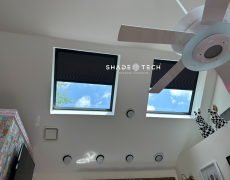
Smart shades can follow schedules based on time of day, close automatically during peak afternoon exposure, and reopen when direct sun has moved off the glass. In rooms with skylights, two-story windows, or hard-to-reach clerestory glass, automation is often the difference between having a protective system and having one that is rarely used.
For a Dallas-Fort Worth home, a common approach is to program east-facing shades to lower in the morning and west-facing shades to lower later in the day. Homeowners can still use voice control or an app when they want a different setting. Smart shade systems can also be integrated with Alexa, Google Home, Apple HomeKit, and compatible Matter-enabled systems as part of a broader home automation plan.
Consider Window Film, but Evaluate the Glass First
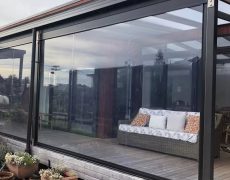
Window film can reduce UV exposure while keeping windows visually open. High-quality film is especially useful when a homeowner wants to preserve an unobstructed view or cannot add interior treatments in a particular area. Some films also reduce glare and solar heat gain.
However, film is not always the complete answer. It does not provide privacy at night, it cannot be raised to restore an unfiltered view, and it may alter the appearance of the glass. More importantly, certain film types can affect thermal stress in insulated glass units. Before installation, the window manufacturer’s guidance and warranty terms should be reviewed carefully.
Film can work well alongside shades. In that combination, the film provides an always-on baseline of UV reduction, while shades add adjustable glare control, privacy, and design impact. This can be particularly valuable for art collections, commercial storefronts, medical clinics, or hospitality spaces with long periods of direct exposure.
Use Shutters and Drapery Where Light Control Matters Most
Plantation shutters are a durable architectural solution for rooms where adjustable light direction is as important as UV reduction. By tilting the louvers, you can redirect sunlight toward the ceiling, reduce glare at seating level, and protect finishes without fully closing the room off from daylight.
Shutters are well suited to traditional homes, bedrooms, street-facing rooms, and spaces where privacy is needed throughout the day. Their limitation is that they do not preserve an uninterrupted view in the same way a raised roller shade does. The louvers remain part of the visual field, even when opened.
Drapery and lined side panels can provide another layer of protection, particularly in bedrooms, media rooms, and formal spaces. When fully closed, a properly lined drapery panel can dramatically reduce light exposure. Still, drapery alone is less convenient for managing changing sun angles throughout the day. Pairing it with a solar shade often gives a room both performance and softness: the shade handles daytime UV and glare, while the drapery adds insulation, privacy, and a finished design statement.
Do Not Ignore Exterior Shading
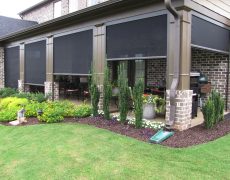
The most effective way to manage solar heat is often to stop sunlight before it reaches the glass. Exterior screens, retractable solar shades, awnings, and pergola shading systems can reduce the intensity of direct sun on windows and patio doors before it enters the building.
This is especially valuable on west-facing elevations, outdoor living areas, restaurant patios, and commercial facades with expansive glass. Exterior systems face greater exposure to wind, weather, and daily operation, so material selection and professional installation matter. The screen needs to be engineered for the opening and intended use, not simply attached as an afterthought.
Interior shades still have an important role because they manage privacy, interior glare, and design. But on severe exposures, combining exterior and interior shading can produce a noticeably more comfortable result.
Match the Solution to the Room, Not Just the Window
The right treatment changes from one room to the next. A home office needs screen visibility and glare control for monitors. A nursery may need stronger light reduction and privacy. A kitchen may prioritize easy-clean materials. A clinic reception area may need a polished appearance, controlled daylight, and dependable motorized operation across multiple windows.
Start by looking at what is being exposed: flooring, leather, artwork, cabinetry, displays, electronics, or people sitting close to the glass. Then consider when direct sun enters the room and whether you want to preserve the view. That assessment determines whether a 1% solar shade, adjustable shutters, exterior screen, window film, or a layered approach makes sense.
Professional measurement is also part of performance. Coverage, bracket placement, side gaps, fabric alignment, and motor selection all influence how well a treatment controls light. ShadeoTech manufactures and installs custom solutions locally, allowing the system to be specified around the actual window, exposure, and smart-home requirements rather than forcing the room into standard sizes.
The most useful window treatment is one you will use every day. Choose protection that fits the way your room lives: daylight when you want it, filtered sun when you need it, and reliable control before the Texas heat and UV have a chance to do their damage.
