

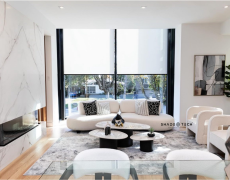
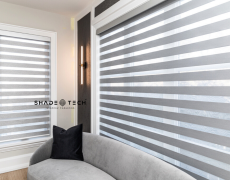
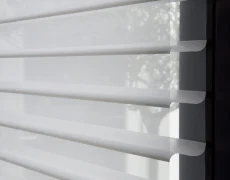
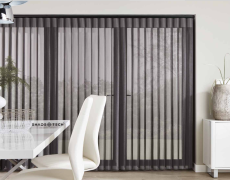

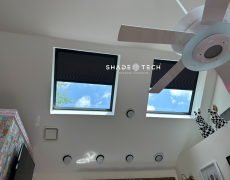


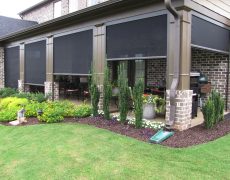

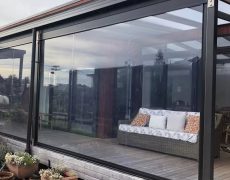



A covered porch can look perfect on a floor plan and still sit empty through much of a Texas summer. Direct afternoon sun, mosquitoes, windblown debris, and a lack of privacy can turn a generous patio into space you pass through rather than use. Retractable porch screens change that equation by adding protection when conditions demand it, then disappearing when you want an open view and fresh air.
For Dallas-Fort Worth homeowners, the value is not simply having a screen. It is having a custom-built outdoor shading system sized for the opening, selected for the exposure, and installed to operate reliably through heat, sun, and frequent use.
What Retractable Porch Screens Actually Do
Retractable porch screens are vertically operated panels that lower from a concealed housing above an opening and guide along side tracks. Depending on the fabric selected, they can reduce glare and heat, block insects, add daytime privacy, soften wind, and help keep leaves and dust out of a covered outdoor area.
Unlike fixed screening, a retractable system preserves the architecture of the porch. When the screen is raised, columns, views, and the open-air character of the space remain visible. When lowered, the porch becomes more controlled and more comfortable without the permanence of a fully enclosed room.
That flexibility matters on North Texas patios. A screen may stay up on a clear spring morning, lower during a west-facing afternoon, and close again at dinner when mosquitoes arrive. For a pool cabana, outdoor kitchen, restaurant patio, or medical clinic waiting area, the ability to adjust the space quickly can be as valuable as the shade itself.
The Best Uses for Retractable Porch Screens
The right application depends on how the porch is used and what makes it uncomfortable now. Homeowners often start with solar control, then find the screens improve the experience in several ways at once.
A west- or south-facing patio benefits from exterior solar screening because it intercepts sunlight before it reaches the seating area and adjacent glass doors. This can make outdoor dining more practical while also reducing the intense glare that often spills into nearby living spaces.
For covered patios near landscaping, insect screen fabrics create a more comfortable setting for evening entertaining. They are not a substitute for a sealed indoor room, and small insects can still find their way around an open structure, but a properly fitted guided screen significantly improves the environment compared with an exposed porch.
Privacy is another common reason to install a system. Homes on smaller lots, properties facing greenbelts, and patios near neighboring second-story windows can gain useful visual separation without closing off the area all day. The degree of privacy depends on fabric openness, light conditions, and viewing angle. A darker solar fabric offers strong daytime outward visibility, while nighttime privacy requires more consideration because interior lighting can reverse the effect.
Screen Fabric Is a Performance Decision
Not all outdoor screen materials solve the same problem. A custom consultation should begin with sun direction, opening size, wind exposure, desired view, and whether the main goal is heat control, insect protection, or privacy.
Solar Screen Fabrics
Solar screen fabrics are designed to manage glare and reduce solar heat while maintaining a filtered view outward. Their openness factor affects how much light and view pass through the material. A more open weave preserves a clearer view but provides less privacy and solar control. A tighter weave increases shade and privacy while making the screen feel more visually present.
For large contemporary patio openings, fabric color also matters. Darker colors often provide better outward visibility during the day because they reduce reflected light. Lighter colors can complement a brighter exterior palette and may be preferred for specific design schemes, but should be evaluated in the actual light conditions around the home.
Insect and Privacy Fabrics
Insect mesh prioritizes keeping bugs out while allowing air circulation. It is a natural fit for outdoor kitchens and dining patios where evening use is the priority. Privacy-oriented fabrics use a denser construction and are often selected for side openings that face neighbors or streets.
Some projects use different fabrics on different sides of the same porch. For example, a west elevation may need a higher-performance solar fabric, while an adjacent side opening may be better served by insect mesh. This is one advantage of a made-to-measure system over a one-size-fits-all solution.
Why Motorization Makes the Difference
Manual screens can work for smaller, lightly used openings. But wide openings, tall patio ceilings, and daily operation are where motorization becomes the practical choice. A motorized retractable screen lowers evenly at the press of a button and avoids the tugging, uneven movement, and storage inconvenience that can cause manual systems to go unused.
Smart control makes the screen part of the home rather than a separate accessory. Screens can be operated by wall control, remote, app, or voice command, and can be incorporated into compatible Alexa, Google Home, Apple HomeKit, and Matter-enabled smart-home environments. The best setup depends on the existing home automation platform and how the family actually uses the patio.
A useful automation might lower west-facing screens during the hottest part of the afternoon, then raise them after sunset. Another homeowner may prefer a simple “patio mode” that lowers screens, turns on landscape lighting, and prepares the outdoor area for guests. Automation should serve a routine, not create another system to manage.
Wind sensors can also be appropriate for exposed installations. They may raise screens when wind reaches a predetermined threshold, helping protect the fabric and operating components. Sensor selection and programming should account for the structure, local exposure, and how the screen is used. No screen should be treated as a hurricane-rated barrier or left deployed in severe weather unless its specific system rating and operating guidance permit it.
Installation Details That Affect Long-Term Performance
A retractable screen is only as good as its measurement, mounting surface, guides, and alignment. Large openings can magnify even a small measuring error, which is why site evaluation is a critical part of the project.
The housing must be securely mounted to a structure that can support it. Side tracks need a straight, stable path to keep the screen fabric properly tensioned and reduce gaps. On some patios, installers can mount to existing columns, beams, or framing. On others, trim work, blocking, or custom infill may be needed to create a clean and durable installation.
Power planning deserves the same attention. Motorized units need properly located electrical access, and the most polished projects account for wiring before finishes are complete. This is particularly relevant for new construction, remodels, and builders coordinating several trades. Retrofitting is still possible in many cases, but early planning generally gives more options for concealing power and controls.
Local manufacturing also matters when openings are not standard. ShadeoTech manufactures custom solutions in Carrollton, allowing measurements, materials, and finish details to be coordinated for the project rather than forcing the architecture to fit a stock product.
Questions to Ask Before You Choose a System
Before approving a retractable screen project, ask how the system will handle the conditions specific to your patio. What is the maximum recommended width and height for the selected fabric? How does the guide system manage wind and fabric tension? Where will the housing sit when the screen is retracted? What controls are included, and what smart-home platform can they support?
It is also worth asking to see fabric samples outdoors. A sample viewed inside a showroom cannot fully show how a material will perform against bright Texas sun, a pool reflection, or an evening landscape-lighting plan. Consider the view from inside the home as well. Exterior screens can improve comfort indoors near patio doors, but their color and openness will affect the visual connection to the yard.
Maintenance is straightforward but should not be ignored. Periodic cleaning with the manufacturer-approved method helps remove pollen, dust, and outdoor residue. Tracks should remain clear of leaves and debris, and screens should be raised during conditions outside their operating recommendations. A professionally installed system is designed for regular use, not neglect.
A Better Way to Use the Porch You Already Have
The strongest retractable porch screen projects do not make a patio feel closed in. They give homeowners control over an outdoor space that is otherwise at the mercy of sun, insects, and changing weather. With the right fabric, precise fit, and thoughtful automation, the porch can remain open when the day is pleasant and become protected the moment conditions shift.
Start by noticing when your patio goes unused. Whether it is the 5 p.m. glare, the first wave of mosquitoes, or the lack of privacy at dinner, that specific problem should guide the screen design.
