

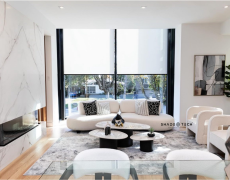
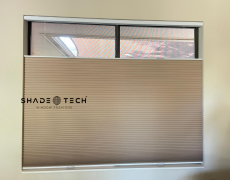

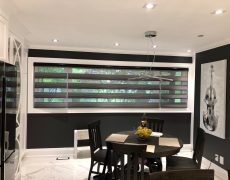
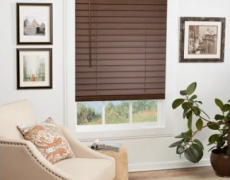
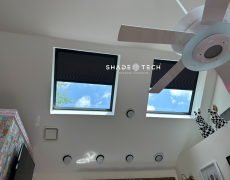


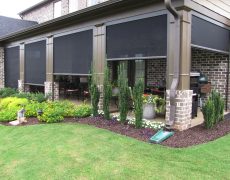

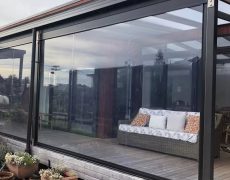



A west-facing conference room can look exceptional at 9 a.m. and become nearly unusable by midafternoon. Screens wash out, employees shift seats to avoid direct sun, and the HVAC system works harder against the glass. Office roller shades solve this problem without sacrificing the clean, open look that modern Dallas workplaces, clinics, restaurants, and hospitality spaces depend on.
The right system is not simply a window covering selected from a catalog. It is a measured solution for solar exposure, privacy needs, operating hours, window dimensions, interior design, and the way a space is actually used. For commercial interiors with large glass walls and demanding schedules, custom roller shades provide controlled daylight with a polished, low-profile finish.
Why Office Roller Shades Matter More in North Texas
North Texas sun is not a minor design consideration. Intense heat, UV exposure, and long periods of direct afternoon light can create hot zones near windows, fade furnishings, and make offices feel inconsistent from one workstation to the next. A well-specified roller shade system helps manage those variables before they become comfort complaints.
The practical benefit is glare control. Employees can see monitors clearly, conference rooms can support presentations, and reception areas remain welcoming instead of overly bright. For medical clinics, controlled light can make treatment rooms and waiting areas feel calmer while preserving the ability to maintain privacy. In restaurants and hospitality settings, shades let the room keep its views during the day while reducing glare across tables, bar areas, and guest seating.
There is also an energy-performance benefit. Solar-control fabrics reduce the amount of heat entering through glass, which can ease the burden on cooling systems. Shades are not a replacement for properly designed HVAC or high-performance windows, but they are a meaningful layer of protection, especially on broad south- and west-facing elevations.
Start With the View, the Sun, and the Work Happening Near the Glass
Choosing fabric by color alone often leads to disappointing results. The better starting point is to identify what the window needs to do. An executive office with a view may need daytime glare reduction while keeping the exterior visible. A meeting room used for video calls may need stronger light control. A clinic may need privacy, easy cleaning, and consistent operation across multiple rooms.
Openness factor is one of the most useful specifications to understand. It refers to the weave of a solar fabric and affects how much light and outward visibility pass through. A more open weave typically preserves more of the view and allows more daylight. A tighter weave provides greater glare reduction and privacy but may make the room feel more enclosed.
For many offices, a medium openness solar fabric offers a sensible balance. It softens direct sunlight, reduces screen glare, and maintains a connection to the outdoors. However, spaces with projection screens, highly reflective monitors, sensitive equipment, or strong western exposure may need a tighter fabric or a dual-shade design.
Solar, blackout, and dual-shade fabrics
Solar shades are commonly the right choice for open work areas, lobbies, conference rooms, and storefronts where daylight and exterior views remain valuable. They filter light rather than fully blocking it.
Blackout roller shades are better suited to training rooms, presentation spaces, sleep rooms, treatment areas, and any setting where near-total room darkening is necessary. Side gaps can still allow light around a standard shade, so projects requiring the highest level of blackout performance may need side channels, cassette details, or a different track-guided system.
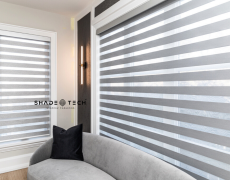
Dual-shade systems combine two fabrics in one opening, usually a solar shade for the workday and an opaque or blackout shade for privacy or presentations. This adds cost and complexity, but it can be the most flexible choice for premium boardrooms, multipurpose rooms, and offices with changing daylight requirements.
Manual or Motorized: Choose for the Real Operating Pattern
Manual roller shades are reliable, cost-conscious, and appropriate for smaller offices or openings that employees rarely adjust. A quality clutch mechanism and professionally sized shade can provide smooth, controlled operation for years. Yet manual shades depend on people using them consistently. In a large office, that is often the weak point.
Motorized office roller shades make more sense when there are tall windows, multiple shade bands, hard-to-reach glass, or regular changes in daylight. One touch can lower every shade in a conference room before a presentation. Timed schedules can reduce afternoon heat gain before the room becomes uncomfortable. A receptionist or facilities manager can manage a zone without walking from window to window.
Automation is especially useful for commercial spaces with predictable sun exposure. For example, shades on a west-facing façade can lower automatically during the strongest afternoon sun and return to a preferred position later in the day. The goal is not to keep the office dark. It is to maintain usable daylight while preventing glare and heat from taking over.
Smart controls should be selected carefully. A system may use wall keypads, handheld remotes, app control, schedules, or integration with Alexa, Google Home, Apple HomeKit, or Matter-enabled smart-home ecosystems where appropriate. For offices, reliability and straightforward access matter more than adding every possible control option. A well-designed control plan gives the right people simple authority over the shades and avoids a confusing stack of disconnected apps.
When wired power is worth it
Battery-powered motors can be an excellent fit for existing offices where opening walls or ceilings is impractical. They offer a cleaner retrofit than many people expect and reduce the need for exposed power solutions.
For new construction, major remodels, very large shade counts, or high-use commercial environments, wired power is often the stronger long-term choice. It eliminates battery maintenance and supports a more permanent installation. The right answer depends on access, construction timing, number of windows, and how frequently the system will operate.
Details That Separate a Finished System From a Quick Purchase
A roller shade can look simple, but its performance depends on precision. The fabric must be sized correctly, the brackets must be secure, the roll direction must suit the opening, and the mounting method must account for trim, mullions, door clearance, sprinkler locations, and ceiling conditions. On large commercial windows, small measurement errors become highly visible.
Mounting inside the window opening creates a contained look, but it may allow more light around the edges. Outside mounting can improve coverage and make a window appear larger, though it requires sufficient wall or ceiling space. Fascias and cassettes can conceal the roller for a more architectural finish, particularly in reception areas, executive suites, restaurants, and client-facing spaces.
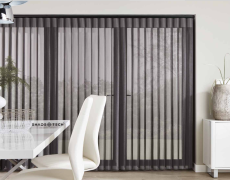
Fabric color deserves a performance discussion as well. Darker solar fabrics often preserve outward views more clearly because they reduce reflected light on the interior-facing side. Lighter fabrics can create a brighter visual effect and may better coordinate with a light interior palette, but they can reflect more light inside the room. There is no universal winner. The best fabric is the one that meets the room’s glare, view, heat, privacy, and design priorities together.
A Better Process for Commercial Shade Projects
Commercial shade projects work best when window treatments are considered early, especially for new builds and renovations. That allows coordination with electrical plans, ceiling details, millwork, AV equipment, and smart-control systems. Waiting until the end can limit mounting options and turn a clean design detail into a visible compromise.
For existing offices, a site assessment should identify sun direction, window sizes, obstructions, privacy concerns, and how each zone is used throughout the day. It should also verify mounting surfaces and power options rather than assuming every window can accept the same solution. A lobby, a glass-walled conference room, and a back-office workstation area may all need different fabrics or controls even if the windows appear similar.
ShadeoTech manufactures custom systems locally in Carrollton and coordinates measurement, fabrication, installation, and smart setup as one process. That factory-direct approach is particularly valuable when projects involve oversized openings, multiple fabric types, or automation that must perform consistently after installation.
The best office shade system becomes part of the building’s daily rhythm. It keeps screens visible, softens a hot afternoon, protects interiors from UV exposure, and gives people control over their environment without putting the windows at the center of every workday.
