

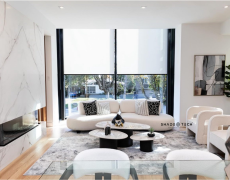
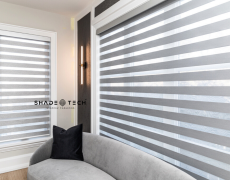
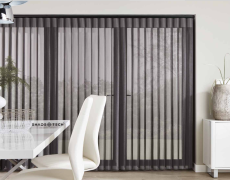

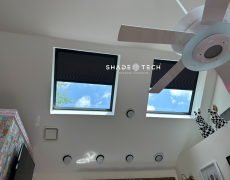






A west-facing great room in Dallas can look spectacular at noon and feel unlivable by 3 p.m. That reality is driving the most meaningful smart window treatment trends: not novelty controls, but custom systems that manage heat, glare, privacy, and natural light without asking homeowners to adjust every shade by hand.
For North Texas homes with expansive glass, tall ceilings, and open-concept layouts, the best smart shades are becoming part of the home’s performance system. They protect interiors from UV exposure, reduce harsh afternoon glare, and support a more comfortable temperature in the rooms people use most. The technology matters, but precise sizing, fabric selection, motor choice, and professional setup determine whether it works as intended for years.
Smart Window Treatment Trends That Solve Real Problems
Automation is moving from schedules to responsive control
Timed schedules remain useful. A bedroom blackout shade can lower before bedtime, while kitchen shades can open with the morning routine. The bigger shift is toward automations that respond to the home and its environment.
Homeowners are pairing motorized shades with smart-home routines, occupancy sensors, and sun-position programming. A shade can lower during the strongest western exposure, then rise later to restore a view. In a media room, shades can close when a projector turns on. For vacation homes or frequently empty properties, scheduled shade movement can also create a more lived-in appearance while protecting furnishings.
The right level of automation depends on the space. A formal dining room may need a simple scene activated by voice or wall keypad. A glass-heavy living area may benefit from more detailed programming based on time of day and orientation. Good automation should feel quiet and predictable, not overly complicated.
Energy performance is becoming a design requirement
Dallas-Fort Worth homeowners are paying closer attention to solar heat gain, especially in rooms with large south- and west-facing windows. Smart solar shades are increasingly selected for their ability to manage direct sun while maintaining daylight and outward visibility.
Openness factor is central to this decision. A more open solar fabric preserves a clearer view but allows more light through. A tighter weave provides stronger glare and UV control but can make the exterior view feel softer. There is no universal best choice. A family room overlooking a landscaped yard may prioritize view-through, while a home office with strong afternoon glare may need tighter solar control.
Automating this protection adds practical value. Rather than leaving shades down all day, homeowners can program them to move when heat and glare are most intense. That supports comfort without turning a bright, well-designed home into a dark one.
Dual shades are replacing one-purpose window coverings
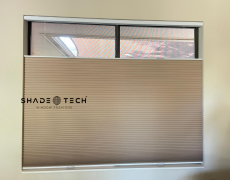
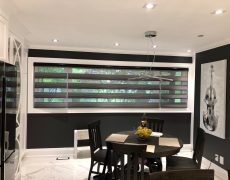
One of the strongest trends is the dual-shade system: a solar shade for daytime heat and glare control paired with a blackout shade for privacy and room darkening. This configuration is especially effective in primary bedrooms, nurseries, media rooms, and homes close to neighboring properties.
During the day, the solar layer filters direct light and helps protect flooring, artwork, and furniture. At night, the blackout layer creates privacy and a more restful sleeping environment. Both layers can be motorized and controlled separately through a wall switch, remote, app, voice assistant, or programmed scene.
This approach costs more than a single shade, but it can eliminate the usual compromise between preserving a view and achieving true privacy. For homeowners investing in custom windows and architectural interiors, that flexibility is often worth it.
Clean Design Is Influencing Smart Shade Choices
Concealed hardware and quiet motors matter more
Technology is becoming less visible. Homeowners and designers increasingly want shades that disappear into the architecture when raised, with clean fascia, recessed pockets, or coordinated hardware that complements the room rather than competing with it.
Quiet operation is equally important. A motorized shade should not interrupt a conversation, wake a sleeping child, or become the loudest feature in a calm bedroom. Motor selection should reflect the shade size, fabric weight, mounting condition, and how the room is used. Larger shades and wide contemporary openings need properly specified components, not a one-size-fits-all motor package.
For new construction and major renovations, planning shade pockets and power during the design phase produces the cleanest result. Existing homes still have excellent options, including rechargeable battery motors and carefully routed low-voltage power solutions. The right answer depends on access, window count, desired control method, and the homeowner’s tolerance for future charging or maintenance.
Natural textures are meeting high-performance fabrics
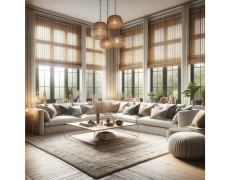
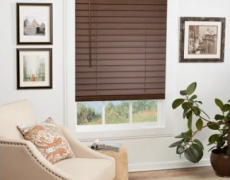
Smart does not have to look technical. Woven textures, soft neutrals, warm grays, layered fabrics, and understated roller shade materials are popular because they fit modern Texas interiors without sacrificing performance.
For sun-exposed rooms, high-performance fabrics offer fade resistance and UV filtering while still delivering a refined finish. In bedrooms and private spaces, room-darkening materials can be selected to coordinate with upholstery, wall color, and trim. The goal is not to make every window treatment identical. It is to create a consistent visual language while giving each room the level of light control it needs.
Custom manufacturing makes that possible. Exact measurements, appropriate side clearances, coordinated mounting, and properly scaled shade panels make a visible difference on large windows and high ceilings, where off-the-shelf products often look undersized or leave distracting light gaps.
Smart-Home Compatibility Is Becoming Less Optional
A smart shade system should fit the smart home that already exists, or the one a homeowner plans to build. Alexa, Google Home, Apple HomeKit, and Matter-enabled platforms are shaping buyer expectations because people want window coverings to work alongside lighting, thermostats, security systems, and entertainment equipment.
Compatibility should be discussed before products are ordered. Some systems offer direct integration, while others require a hub, bridge, or professional programming. Voice control is convenient, but wall keypads and scene controls remain valuable. Guests, children, and employees should be able to operate shades without finding the right phone app.
For commercial settings, the case is often operational rather than personal. A restaurant can adjust glare across a dining area before a busy service. A medical clinic can improve privacy and patient comfort in treatment rooms. Offices can reduce monitor glare while preserving usable daylight. In each case, durable hardware and dependable control matter more than flashy features.
Exterior Screens Are Extending Smart Shading Outdoors
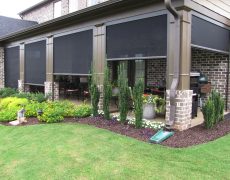
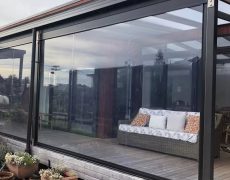
Smart shading is moving beyond interior windows. Motorized exterior screens are becoming a practical upgrade for patios, outdoor kitchens, covered porches, and large openings that receive direct sun or wind-driven insects.
Exterior screens can reduce glare and heat before sunlight reaches the glass or outdoor living area. They can also improve privacy and make a patio more usable through long Texas afternoons. Because these systems face weather exposure, fabrication quality, guide systems, fabric choice, and professional installation are critical. An exterior screen is not simply an indoor roller shade mounted outdoors.
Automation adds another level of convenience. Homeowners can lower screens before guests arrive, create an evening patio scene, or operate multiple openings together. For restaurants and hospitality spaces, this can help staff adapt outdoor areas quickly as conditions change.
Why Professional Planning Defines the Result
Smart window treatments involve more than choosing a fabric and adding a motor. Accurate measurement affects light gaps, alignment, and mounting clearance. Power planning affects reliability. Network conditions affect app and voice control. The window’s orientation affects whether solar, blackout, privacy, or decorative shading is the priority.
That is why a full-service process is particularly valuable for larger homes and complex installations. A local consultation can identify exposure issues room by room, followed by precision measurement, custom manufacturing, professional installation, and smart-home setup. ShadeoTech brings those steps together from its Carrollton facility, which helps customers avoid the handoffs and uncertainty that can come with retail-only purchases.
Factory-direct service also gives homeowners more control over the choices that matter: fabric performance, motor technology, control options, mounting details, and final calibration. The result should look intentional, operate consistently, and address the climate demands that made the investment necessary.
The most durable trend is simple: window treatments are no longer an afterthought added after a room is finished. When planned as part of the home’s design and automation strategy, they can make every sun-exposed room more comfortable, more private, and easier to live in from the first day.
