

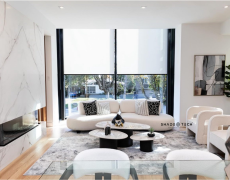
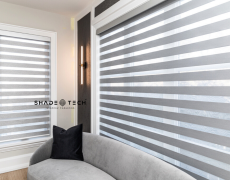
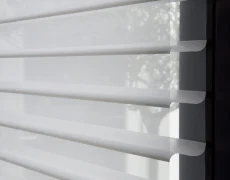
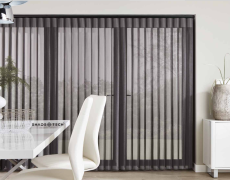







A wall of glass can be one of the best features in a Dallas home until the afternoon sun turns the room into a bright, hot, hard-to-use space. Roller shades give large windows a clean architectural finish while addressing the practical issues North Texas homeowners face every day: glare, UV exposure, heat gain, and privacy. When they are properly specified and professionally installed, they do far more than cover a window.
What Roller Shades Solve in North Texas
Roller shades use a single panel of fabric that raises into a compact roll at the top of the window. Their simple form is precisely why they work so well in contemporary homes, offices, restaurants, and medical clinics. They keep visual lines clean, occupy very little space, and can be made in fabrics that range from nearly transparent solar screens to full blackout materials.
For Dallas-Fort Worth properties, fabric performance matters as much as appearance. Strong sun can fade floors, furnishings, artwork, and upholstery over time. A well-chosen shade fabric filters damaging UV rays and reduces solar glare without necessarily making a room feel dark. In west-facing living rooms, home offices, and glass-heavy kitchens, that difference can make a space more comfortable during the hours people actually use it.
Heat control is another meaningful benefit. Shades are not a replacement for efficient windows or insulation, but they can reduce the amount of direct solar energy entering a room. This helps air-conditioning systems work under less strain, particularly in rooms with tall windows, two-story glass, or patio-facing doors. The best result depends on fabric openness, color, window orientation, and whether the shade is used consistently when the sun is strongest.
Selecting the Right Roller Shade Fabric
The most common mistake is choosing fabric from a small swatch based only on color. A fabric may look ideal in a showroom and perform poorly against a bright west-facing window. The right selection balances daytime view, privacy, glare reduction, heat management, and the room’s design direction.
Solar screen fabrics for view and glare control
Solar screen fabrics are designed with a visible weave that filters light while preserving some outward visibility. Their openness factor indicates how much of the weave is open. A lower openness factor generally provides stronger glare and privacy control, while a higher openness factor offers a clearer view and more daylight.
For a living room overlooking a backyard or skyline, a 3% to 5% openness fabric is often a practical middle ground. It softens sharp sun and protects furnishings while retaining a connection to the outdoors. In a media room or a street-facing office, a tighter fabric may be the better choice. Keep in mind that solar screens provide stronger daytime privacy than nighttime privacy. After dark, interior lighting can make silhouettes visible from outside.
Light-filtering fabrics for softened daylight
Light-filtering roller shades diffuse incoming light rather than preserving a clear view through the fabric. They are a strong option for bedrooms, dining rooms, and common areas where homeowners want a bright, calm feel without harsh glare. They also create a more uniform look from the exterior, which can be valuable when windows face the street.
These fabrics work especially well in open floor plans where direct sun moves across several zones during the day. The trade-off is reduced visibility outdoors. If preserving a view is a top priority, a solar screen is usually the better fit.
Blackout fabrics for privacy and sleep
Blackout roller shades block light through the fabric itself and are well suited to bedrooms, nurseries, media rooms, and treatment rooms. For the darkest possible result, however, the installation details matter. Light can still enter around the edges of a standard shade or above the roller.
A cassette, side channels, or a carefully planned inside mount can improve light control. Complete room darkening may require combining a blackout shade with drapery panels or specifying a channel-guided system. A custom consultation helps set the right expectation before fabric and hardware are ordered.
Why Custom Measurement Changes the Result
Roller shades look simple, but their tolerances are not. A shade mounted inside the window opening must account for variations in width, depth, trim, handles, locks, and out-of-square framing. A shade installed too wide can bind or scrape. One ordered too narrow may leave distracting light gaps and undermine privacy.
Professional measurement is particularly valuable for tall windows, corner windows, sliding doors, and large contemporary openings. These are often the areas where a ready-made shade is least likely to perform well. The roller tube, brackets, fabric roll direction, hem bar, mounting location, and control side all need to work with the architecture rather than compete with it.
Local manufacturing also gives homeowners more control over the finished system. Instead of adapting the room to stock sizes, each shade can be built to the opening, fabric selection, hardware finish, and control requirements. ShadeoTech manufactures and installs custom systems locally in Carrollton, allowing the design, measurement, fabrication, and installation process to stay connected from start to finish.
Motorized Roller Shades Make Performance Automatic
A manually operated shade works only when someone remembers to lower it. Motorization turns a passive window covering into an active comfort system. With scheduled scenes, shades can lower on sun-exposed windows in the afternoon, open in the morning for natural light, or close at night for privacy.
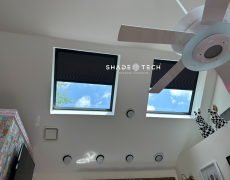
Motorized roller shades are especially valuable on high windows, stairwells, and wide banks of glass where manual operation is inconvenient. They also give homes with multiple rooms a more consistent exterior appearance. Instead of several shades sitting at different heights throughout the day, groups can move together with one command.
The right motor depends on the project. Battery-powered motors can be an excellent choice for many existing homes because they reduce the need for electrical work. Hardwired motors are often preferred in new construction, major remodels, and high-use commercial spaces because they provide continuous power and eliminate battery maintenance. Solar charging can extend battery life in suitable sun-exposed locations, though it is not ideal for every window or every fabric.
For smart-home users, integration should be planned before installation. Systems can be configured for Alexa, Google Home, Apple HomeKit, and Matter-compatible environments, depending on the selected motor and control platform. Voice control is convenient, but scheduled automation is where the real day-to-day value appears. A west-facing room does not need someone to notice the glare at 4 p.m. if the shades already know what to do.
Room-by-Room Shade Planning
One fabric choice rarely serves every room equally well. In a primary bedroom, blackout performance and quiet motor operation may be the priority. In a kitchen, wipeable fabrics and glare reduction often matter more. A home office may need a solar screen that keeps monitor reflections down while preserving a view.
For large living areas, consider using different shade zones rather than treating every window as one group. Separating the west wall from the patio doors, for example, allows the system to respond to changing sun conditions without darkening the entire room. In rooms with strong architectural focal points, recessed pockets and cassette valances can conceal the roller and create a more finished appearance.
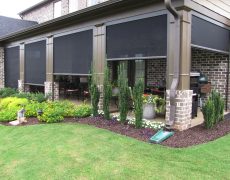
Outdoor-facing windows can also benefit from a layered approach. Interior roller shades manage visual comfort and privacy, while exterior screens can stop more solar heat before it reaches the glass. The right approach depends on the home’s exposure, façade design, and how often the space is used.
A Practical Choice for Commercial Interiors
In commercial settings, roller shades support both appearance and operations. Medical clinics need privacy, glare control, and materials that maintain a polished look under daily use. Restaurants benefit from controllable daylight that keeps guests comfortable near windows without closing off the view. Offices can reduce screen glare and improve comfort across workstations.
Commercial projects should account for use frequency, safety requirements, mounting conditions, and control strategy from the beginning. A centrally controlled system can simplify opening and closing procedures for staff, while durable fabrics and professional installation help the shades hold their alignment in high-traffic environments. For builders and contractors, early coordination also prevents conflicts with millwork, electrical planning, ceiling details, and window hardware.
The best roller shade is not simply the one that matches the paint color. It is the one that quietly improves how a room feels at noon, protects what is inside it, and operates reliably enough that people use it every day.
