

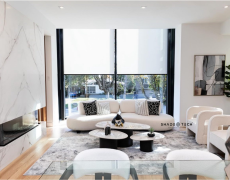
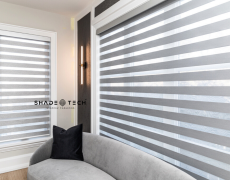
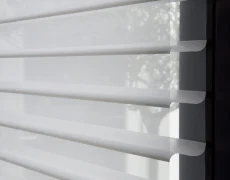
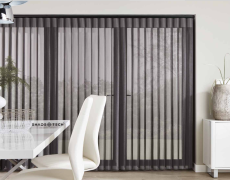







At 4 p.m. in a Dallas home with west-facing glass, window coverings stop being a finishing detail. They become the difference between a comfortable living room and one that absorbs heat, glare, and harsh UV exposure. So, are motorized blinds worth it? For homeowners who want dependable light control without manually adjusting every window, the answer is often yes – especially when the system is custom measured, professionally installed, and programmed around the way the home is used.
Motorized blinds are not simply manual blinds with a remote. A well-designed system combines custom-fitted window treatments, quiet motors, control options, and automation that responds to schedules, sunlight, and household routines. The value comes from solving daily comfort problems while preserving the clean, tailored look expected in a high-end interior.
What Makes Motorized Blinds Worth It?
The strongest case for motorized blinds is convenience that becomes practical very quickly. Large windows, tall ceilings, stairwells, and wide contemporary openings can be difficult to reach or tedious to adjust by hand. With motorization, a single command can lower shades across a room, raise them for morning light, or set a preferred position for privacy.
That convenience matters even more in homes with multiple sun-exposed rooms. Instead of closing blinds after the room is already hot, automated shades can lower on a schedule before afternoon sun reaches its peak. The result is more consistent comfort, reduced glare on screens, and less strain on the HVAC system during North Texas summers.
Privacy is another everyday benefit. A family can schedule bedroom shades to close at night, lower front-facing treatments at dusk, or use a wall control to manage an entire level of the home before leaving. These are simple routines, but they remove the small friction points that make manual window coverings stay in the same position for days.
Where Motorization Delivers the Most Value
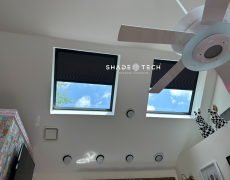
Motorized blinds make sense in almost any room, but their return is most noticeable where windows are large, hard to reach, or exposed to intense sun. In a media room, adjustable shades reduce screen glare without making the space feel closed off. In a primary suite, blackout treatments can open gradually in the morning and close automatically at night. In a two-story living room, motorization turns inaccessible windows into functional parts of the home’s comfort strategy.
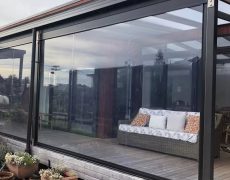
They are also well suited to open-plan homes. When the kitchen, dining area, and living room share a long wall of glass, manually adjusting several coverings can feel like a chore. Group controls allow those shades to operate together while still giving each window its own position when needed.
For Dallas-Fort Worth homeowners, UV protection is a major consideration. Direct sunlight can fade hardwood floors, artwork, upholstery, and rugs over time. Solar fabrics and light-filtering materials help manage that exposure while maintaining outward visibility during the day. When those treatments run automatically, protection is more consistent because it does not depend on someone remembering to close every blind.
Commercial spaces benefit for similar reasons. Medical clinics can improve patient comfort and reduce glare in exam rooms. Restaurants can manage shifting sunlight across dining areas without interrupting staff. Builders and contractors can include preplanned motorized shade systems in new construction, giving clients a finished solution rather than asking them to add automation after move-in.
Energy Savings Are Real, but They Depend on the System
Motorized blinds can support energy efficiency, but they should not be treated as a guaranteed utility-bill shortcut. Savings depend on window orientation, glass type, fabric openness, insulation value, existing HVAC performance, and how the shades are programmed.
The practical advantage is timing. A shade that lowers before direct sun enters the room can reduce solar heat gain more effectively than one lowered after the space has already heated up. In winter, programmed schedules can also open treatments during cooler morning hours to bring in daylight, then close them after sunset for added privacy and insulation.
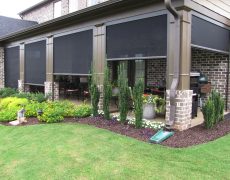
The material matters as much as the motor. A light-filtering roller shade, cellular shade, blackout lining, or outdoor screen each performs differently. The right choice starts with the room’s exposure and purpose, not a one-size-fits-all product recommendation. A professionally measured system also avoids side gaps, uneven alignment, and light leaks that can undermine performance.
Smart-Home Integration Should Make Life Easier
A motorized blind system should work naturally with the technology already in the home. Depending on the selected motor and control platform, shades can be operated by remote, wall switch, app, voice assistant, or preset scenes. Compatibility with Alexa, Google Home, Apple HomeKit, and Matter-enabled systems gives homeowners more flexibility as their smart-home setup evolves.
The most useful automations are usually the least complicated. A Good Morning scene can raise bedroom shades and open living-area treatments. A Movie Time scene can lower glare-control shades while leaving other windows open. An Away setting can close selected windows for privacy and heat management.
Reliability should take priority over novelty. Voice commands are convenient, but a system should also offer intuitive physical controls and straightforward app operation. Battery-powered motors can be an excellent option for many retrofit projects, while hardwired power may be the better choice for extensive installations or new construction. The right approach depends on access to power, window count, planned automation, and the level of long-term maintenance a homeowner wants.
The Trade-Offs to Consider Before You Buy
Motorized blinds cost more than comparable manual treatments. The final price reflects the window covering itself, motor type, power solution, controls, programming, and installation. For a single accessible bedroom window, the added cost may be harder to justify. For a wall of high windows or a heavily sun-exposed great room, the convenience and performance can be far more compelling.
Battery systems require eventual recharging or battery replacement. Wired systems require more planning during construction or renovation. Smart controls may also need a reliable home network, particularly when homeowners want app-based operation throughout a large house.
There is also a design decision. Not every room needs the same material or opacity. Bedrooms may need room-darkening coverage, while a breakfast area may benefit from soft filtered light. Choosing one product for every window can be simpler, but it may compromise comfort and function. A custom plan allows the treatments to look coordinated while working differently from room to room.
Why Custom Measurement and Installation Matter
A premium motorized shade system is only as good as its fit and setup. Windows that appear identical often vary slightly in width, depth, trim, or mounting surface. Professional measurement accounts for those differences and helps determine whether an inside mount, outside mount, fascia, side channels, or specialty hardware is appropriate.
Installation is equally important. Properly aligned treatments operate quietly, hang evenly, and maintain a polished appearance across multiple windows. Programming should include practical scenes, individual controls, grouped rooms, and clear homeowner instruction. That is where a full-service local provider offers an advantage over a boxed product purchased without site planning.
ShadeoTech manufactures custom treatments locally in Texas and manages consultation, precision measurement, installation, and smart-home setup as one coordinated process. That factory-direct model is designed for homeowners who want tailored performance without navigating separate product, installer, and automation providers.
So, Are Motorized Blinds Worth It for Your Home?
They are worth it when they solve a real problem: hard-to-reach windows, relentless afternoon heat, glare in a work or media space, a need for reliable privacy, or a desire to make smart-home routines more useful. They are also a strong choice when the home has large modern windows that deserve a cleaner, more intentional finish than cords, wands, and uneven manual adjustments.
If the goal is only to cover one small, easy-to-reach window at the lowest possible price, manual blinds may be the practical answer. But for a Dallas-area home where sunlight, heat, design, and daily convenience all matter, custom motorized blinds can become one of the few upgrades you notice every day. The best next step is to evaluate each room by its light exposure, privacy needs, and how often the window coverings should actually move.
