

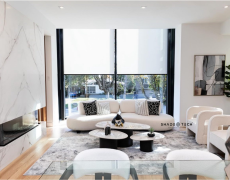







A west-facing Dallas living room can become uncomfortable long before the thermostat recognizes the problem. Sunlight pours through glass, heats flooring and furniture, and creates a hot zone that makes the entire room harder to cool. The right window shades for heat reduction address that solar gain at the window, where it starts, while preserving the clean lines and natural light that make large modern windows so appealing.
For North Texas homes, this is not simply a decorative decision. Custom shades can improve daily comfort, reduce glare, protect finishes from UV exposure, and help your cooling system work more efficiently during long stretches of intense sun. The best solution depends on window orientation, glass type, room use, privacy needs, and how much daylight you want to keep.
How Window Shades for Heat Reduction Work
Heat enters through windows in several ways, but direct solar radiation is the major issue in sun-exposed rooms. Glass lets visible light into the home, then interior surfaces absorb that energy and release it as heat. Once a sofa, hardwood floor, or stone countertop warms up, the room can stay uncomfortable even after the sun moves.
Performance shades reduce this effect by intercepting sunlight before it spreads across the room. Solar fabrics reflect and absorb a portion of solar energy while filtering glare. Cellular shades add insulating air pockets that slow heat transfer. Exterior screens stop a meaningful amount of solar energy before it reaches the glass, which is especially valuable on patios, outdoor living areas, and windows with severe afternoon exposure.
A shade does not need to make a room dark to improve heat control. In fact, many homeowners choose openness fabrics that maintain an outward view and a bright interior while noticeably reducing heat and glare. The balance comes down to fabric selection, color, and the fit of the shade within the opening.
Choose the Shade Type for the Window, Not the Trend
There is no single best shade for every room. A media room, a glass-walled great room, a primary bedroom, and a restaurant patio all have different performance requirements. Custom measurement and product selection matter because gaps, mounting conditions, and fabric choices influence how a system performs.
Solar roller shades for sunny living spaces
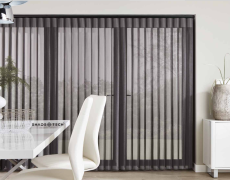
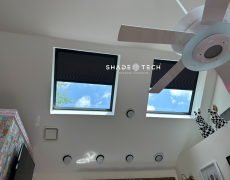
Solar roller shades are a strong choice for rooms with expansive windows, views, and recurring glare. They use technical screen fabrics designed to filter sunlight without fully closing the room off from the outdoors. Openness factors determine how tightly the fabric is woven. A lower openness factor provides greater glare and heat control, while a higher openness factor offers a clearer view and more daylight.
For a south- or west-facing family room, a lower openness fabric often delivers the best comfort during peak afternoon hours. Lighter fabric colors typically reflect more solar energy, while darker colors can improve the view outward by reducing reflection on the interior side. This is one of the key trade-offs: view quality, visible light, privacy, and heat management must be considered together.
Cellular shades for insulation and privacy
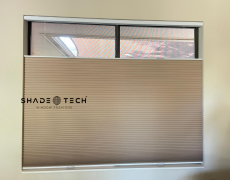
Cellular shades are particularly effective where privacy and thermal insulation are priorities. Their honeycomb-shaped cells create air pockets that help slow heat flow through the window. They work well in bedrooms, home offices, street-facing rooms, and windows that feel cold in winter as well as hot in summer.
Because cellular shades can provide substantial light filtering or room darkening, they are often selected for spaces where homeowners want more control than a solar screen fabric provides. The trade-off is that the outward view is reduced when the shade is lowered. For many bedrooms and private spaces, that is a worthwhile exchange for improved comfort and privacy.
Dual shades for changing light conditions
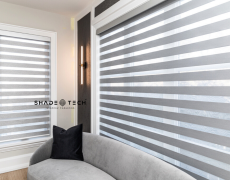
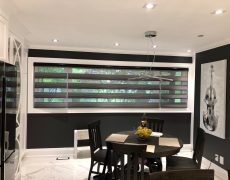
Dual shades combine a light-filtering solar or sheer layer with a room-darkening layer in one system. During the day, the front layer can control glare and solar heat while maintaining daylight. At night, the blackout layer provides privacy and darkness.
This configuration is practical in primary suites, nurseries, media rooms, and multipurpose rooms that need different levels of control throughout the day. It also avoids the common compromise of choosing either a view-preserving shade or a blackout shade when the room genuinely needs both.
Exterior screens for the toughest sun exposure
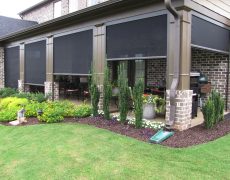
When heat gain is extreme, exterior motorized screens are often the highest-performing option. By stopping sunlight outside the glass, they reduce the amount of solar energy that reaches the window in the first place. They are especially well suited for covered patios, outdoor kitchens, pool-facing openings, and large glass walls exposed to late-day sun.
Exterior screens can also make outdoor spaces more usable by cutting glare and reducing windblown debris and insects, depending on the screen system. They should be professionally specified for the opening, mounting surface, and local weather conditions. A properly engineered system looks integrated with the architecture and operates reliably season after season.
Fit and Installation Affect Real-World Performance
A premium fabric cannot compensate for poor measurements or an installation that leaves unnecessary gaps. Heat and glare often slip around the sides of an undersized shade, particularly on wide windows and tall contemporary openings. Inside mounts, outside mounts, fascia details, and side channels all affect coverage and appearance.
For large or unusually shaped windows, custom manufacturing allows the shade system to be built for the actual opening rather than adapted from a retail size. That includes selecting the correct roller tube, fabric weight, hardware finish, and control method. In a Dallas-Fort Worth home with high ceilings or walls of glass, professional installation also removes the safety and alignment concerns that come with managing oversized manual shades.
ShadeoTech manufactures and installs custom systems locally in Carrollton, which gives homeowners a more direct path from measurement to final setup. The value is not only in a polished result. It is in making sure the chosen shade is engineered for the window, the sun exposure, and the way the room is used.
Automate Heat Control Before the Room Overheats
Motorization changes heat-reducing shades from a manual task into a responsive part of the home. The most effective time to close a shade is often before direct sunlight heats the room, not after it already feels uncomfortable. Scheduled automation makes that possible without asking anyone to adjust multiple windows every afternoon.
A west-facing room can lower shades on a timed schedule before the strongest afternoon sun arrives, then raise them after sunset to restore the view. Smart systems can also group shades by room, coordinate with lighting scenes, or respond to voice commands through Alexa, Google Home, Apple HomeKit, and compatible Matter-enabled platforms.
For homes with tall windows, vacation properties, clinics, restaurants, and commercial spaces, automation adds consistency. Staff and family members do not have to remember which shades should be lowered at which time. The system follows the schedule, while manual control remains available whenever plans change.
Battery-powered motors can be an excellent option when wiring is impractical. Hardwired solutions may be preferable for new construction, major renovations, or large projects where continuous power and centralized control are priorities. A professional consultation can identify which approach fits the property without overbuilding the system.
Look Beyond Heat Reduction Alone
Reducing solar gain is a major benefit, but it should be evaluated alongside UV protection, glare control, privacy, and interior design. UV-filtering fabrics can help protect wood floors, artwork, upholstery, and cabinetry from fading. In a home office, glare reduction can make computer work more comfortable. In a dining room or hospitality setting, it can improve the experience without sacrificing a bright, welcoming atmosphere.
The fabric itself also shapes the room. A minimal roller shade can disappear into a modern window frame, while textured cellular fabrics add softness. Neutral colors tend to work across changing furnishings, but the right selection should complement the glass, wall color, trim, and overall architectural style.
If your home has rooms that are noticeably hotter than the rest of the house, start by observing when the heat appears and which windows receive direct sun. That simple pattern often reveals the most effective solution: a solar shade that preserves the view, an insulating cellular shade for privacy, or an exterior screen that stops harsh sun before it reaches the glass. The goal is not to eliminate daylight. It is to make daylight comfortable enough to enjoy.
