










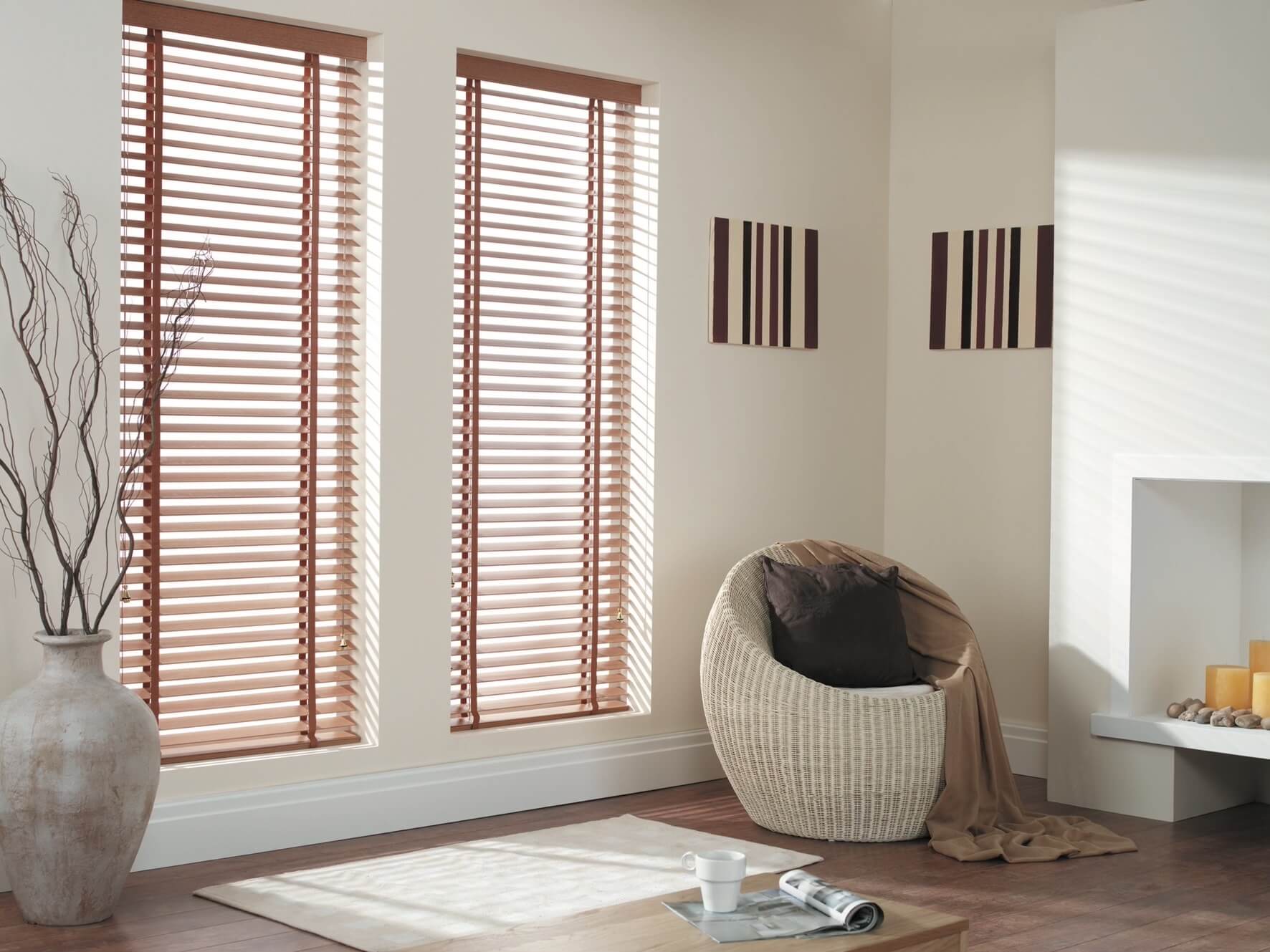
Faux wood blinds were once a popular choice for homeowners seeking the classic look of wood without the high cost. However, their popularity has significantly declined over the years. Here’s why:
Heavy & Difficult to Operate
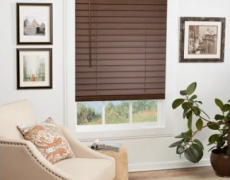
The trend towards cordless window treatments for safety reasons has made faux wood blind even less practical. Faux wood blinds are heavier than real wood, especially when scaled for larger windows. Without cords, they become incredibly hard to lift and lower. For tall or wide windows, you’d often need to use a ladder to reach them.
Dust & Dirt Magnet
Faux wood blinds are notorious for collecting dust and debris. The static nature of the material makes them a magnet for dust, especially in areas like Texas, where high dust levels are common. Unlike shades with smooth, solid surfaces, faux wood slats trap dirt between each layer, making cleaning a constant hassle.
Outdated & Bulky Design
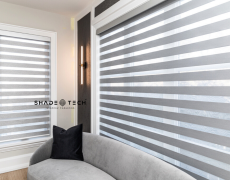
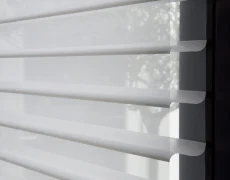
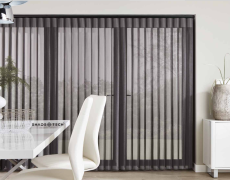
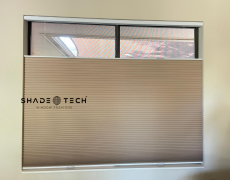
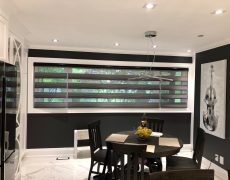
The aesthetics of faux wood blind haven’t evolved with modern interior design trends. Their traditional look often feels bulky and outdated, which detracts from the clean, minimalist aesthetic many homeowners seek today. Shades, on the other hand, offer sleek, modern styles that enhance rather than clutter a space.
Comparable Cost
Since the cordless regulation was enforced, the cost of faux wood blinds has increased. Manufacturing them to be cordless and child-safe now requires more components and effort, making their price comparable to high-quality shades. With shades offering better performance, aesthetics, and convenience, it’s hard to justify choosing faux wood blind.
Safety Concerns
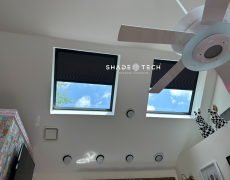
Cordless faux wood blinds are not only hard to operate but also pose safety risks. The weight and bulkiness of these blinds can cause damage if they fall during installation or operation. In contrast, shades are lightweight, easy to install, and can even be motorized for effortless control.
Conclusion:
Faux wood blinds are quickly becoming a thing of the past. Their heavy weight, tendency to collect dust, outdated appearance, and inconvenient operation make them less appealing than shades. For a stylish, practical, and maintenance-free solution, shades are the clear winner.
Frequently Asked Questions
Are faux wood blinds outdated?
Yes, faux wood blinds are becoming outdated for many modern homes because they look bulkier than today’s cleaner shade styles. Homeowners often prefer roller shades, cellular shades, solar shades, and motorized shades because they offer a sleeker appearance, easier operation, and better compatibility with modern interior design.
Why are faux wood blinds hard to operate?
Faux wood blinds can be hard to operate because the slats are heavier than many other window treatment materials. On large or tall windows, cordless faux wood blinds can be especially difficult to lift, lower, and adjust, making them less practical than lightweight shades or motorized window treatments.
Do faux wood blinds collect a lot of dust?
Yes, faux wood blinds can collect a lot of dust because each slat creates a surface where dust, dirt, and debris can settle. In dusty climates like Texas, this can make cleaning more frequent and time-consuming compared with smooth shade fabrics that are easier to maintain.
What is better than faux wood blinds?
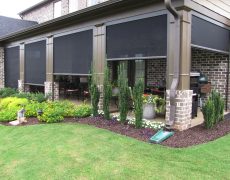
Modern shades are often better than faux wood blinds for homeowners who want a cleaner look, easier maintenance, and improved convenience. Roller shades, cellular shades, solar shades, and motorized shades can provide privacy, light control, energy efficiency, and smart-home operation without the bulky appearance of faux wood slats.
Are motorized shades a better choice than faux wood blinds?
Yes, motorized shades can be a better choice than faux wood blinds, especially for large windows, busy households, and modern homes. They are easier to control, can be scheduled automatically, reduce manual lifting, and offer a more streamlined design while still helping manage light, privacy, and indoor comfort.
